
Why Some Cat Owners Are Tempted to Share Peanut Butter
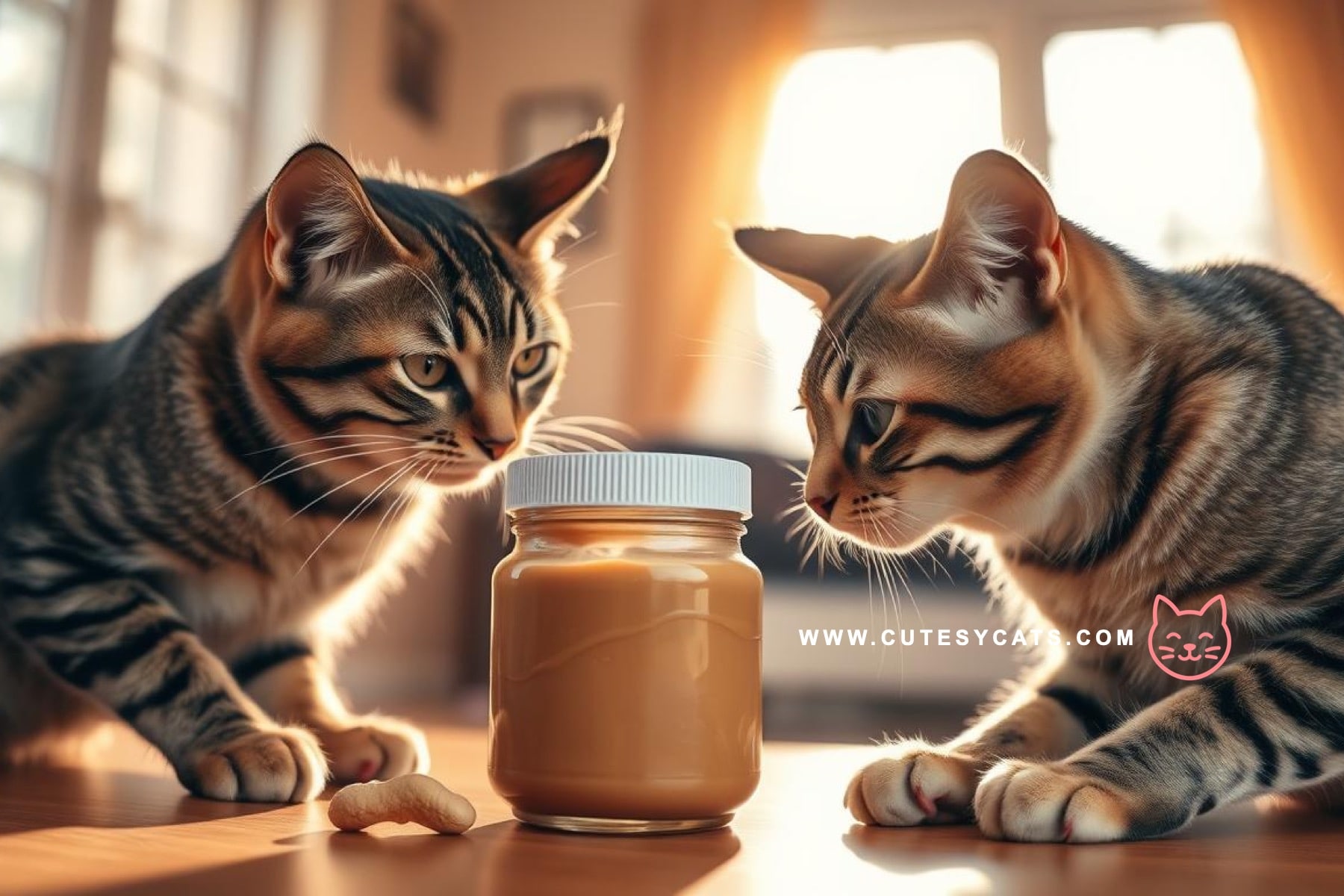
Cats are curious and often watch their owners eat. Many people enjoy peanut butter and wonder if cats can taste it. Its sticky texture and rich aroma can attract feline attention. Owners may feel tempted to offer a small taste.
Some cats may show interest in human foods. Peanut butter seems harmless and is easy to scoop onto a finger. Owners want to share treats with their furry friends. Understanding the risks before feeding is important.
Even small amounts of peanut butter may cause concern. Cats have sensitive digestive systems compared to humans. What is safe for people may be unsafe for pets. Awareness helps prevent accidental health problems.
Sharing peanut butter can seem like bonding. Owners may enjoy giving a special treat occasionally. Cats, however, cannot process certain ingredients safely. Moderation and caution are essential for their wellbeing.
The ingredients in peanut butter vary widely. Some contain added sugar, salt, or xylitol, which are harmful to cats. Even natural peanut butter should be approached carefully. Knowing what is inside is key to safety.
Being informed helps cat owners make better choices. Preventing exposure is often safer than treating issues later. Observing your cat's reactions is important. Safe feeding practices ensure a happy and healthy pet.
What Peanut Butter Offers and How Cats Handle Nutrients
Peanut butter is rich in protein, which supports human muscle and tissue health. Healthy fats provide energy and aid in nutrient absorption. Humans benefit from these nutrients in moderation. Cats, however, process fats differently and require specific proteins.
Vitamins like E and B3 are present in peanut butter. These nutrients support immunity and metabolism in people. Cats cannot rely on peanut butter for vitamin needs. Their diet must come from complete feline food sources.
Peanut butter also contains minerals such as magnesium and potassium. These support bone and heart health in humans. Cats need different balances of these minerals for optimal function. Excess intake can cause digestive upset in felines.
The fiber content in peanut butter is modest but beneficial for humans. It aids digestion and maintains bowel regularity. Cats, however, have shorter digestive tracts that process fiber differently. Too much can cause diarrhea or discomfort.
Healthy fats in peanut butter are high in calories. They support human energy levels and brain function. Cats can become overweight if fed high-fat human foods. Obesity leads to long-term health issues in felines.
Peanut butter also contains small amounts of antioxidants. These compounds protect human cells from oxidative stress. Cats require specific antioxidants from feline-safe sources. Human food antioxidants may not be effective or safe for cats.
Some peanut butter varieties have added sugar or salt. These additions are unnecessary and harmful to cats. Even natural peanut butter should be given with caution. Reading labels is critical before considering feeding it to pets.
Understanding nutritional differences is essential for safe feeding. Humans can enjoy peanut butter safely in moderation. Cats cannot process the same nutrients in the same way. Awareness prevents health problems and supports responsible pet care.
Why Certain Ingredients in Peanut Butter Can Harm Cats
Peanut butter often contains sugar, which is harmful to cats. Excess sugar can lead to obesity and digestive upset. Cats do not need added sugar in their diet. Even small amounts may cause long-term health issues.
Xylitol is another dangerous ingredient found in some peanut butter. It can trigger a rapid drop in blood sugar. This may lead to weakness, seizures, or even liver failure. Cats are extremely sensitive to xylitol.
Salt content in peanut butter is another concern for cats. High sodium can strain the kidneys and heart. Cats are more sensitive to salt than humans. Avoiding foods with added salt is essential.
Chocolate-flavored or peanut butter spreads may contain harmful additives. These can include caffeine or theobromine, both toxic to cats. Even trace amounts may be dangerous. Pet owners must read ingredient labels carefully.
Artificial sweeteners pose additional risks beyond xylitol. Some chemicals can upset digestion or cause allergic reactions. Cats are more sensitive to these additives than humans. Natural peanut butter without additives is safest if offered.
Fat content in peanut butter can also be a concern. Cats consuming too much fat may develop pancreatitis or obesity. Their digestive systems are not adapted to handle excess oils. Moderation is key for safety.
Flavorings and preservatives can trigger allergies or digestive issues. Cats may react differently to processed ingredients. Symptoms may include vomiting, diarrhea, or skin irritation. Owners should be alert for any unusual reactions.
Even small amounts of peanut butter with unsafe ingredients can cause harm. Awareness of risks ensures responsible feeding. Avoiding peanut butter is often the safest choice. Cats' unique physiology requires careful dietary consideration.
How to Recognize If Your Cat Reacts Badly to Peanut Butter
Cats that eat peanut butter may show digestive upset. Vomiting and diarrhea are common symptoms. Loss of appetite can occur alongside these issues. Monitoring your cat after ingestion is essential.
Some cats may develop skin irritations or rashes. Allergic reactions can include itching and redness. Swelling around the face or paws may also appear. Immediate attention helps prevent worsening symptoms.
Lethargy and weakness can signal a serious reaction. Cats may sleep more or move less than usual. Reduced energy can indicate internal stress. Observing these signs supports early intervention.
Excessive drooling may occur after peanut butter exposure. Cats may have difficulty swallowing or show discomfort. Sticky textures can irritate the mouth or throat. Keep an eye out for unusual oral behavior.
Respiratory distress is a rare but serious sign. Wheezing or coughing can indicate an allergic reaction. Difficulty breathing requires immediate veterinary care. Acting quickly can save your cat's life.
Gastrointestinal blockages may develop from sticky peanut butter. Cats may strain or appear bloated after ingestion. This requires prompt medical attention. Preventing access is safer than treating complications.
Behavioral changes may indicate discomfort or illness. Cats may hide, hiss, or become unusually irritable. Observing mood shifts helps identify potential toxicity. Early detection improves outcomes and recovery.
Why All Types of Peanut Butter Can Be Unsafe for Cats
Natural peanut butter contains only peanuts and sometimes oil. It is free from added sugar or salt. Despite being simpler, cats should still consume it cautiously. Their digestive systems are not designed for high-fat foods.
Salted peanut butter includes added sodium. Even small amounts can strain a cat's kidneys. Cats are more sensitive to salt than humans. Avoid feeding any salted varieties to your pet.
Sweetened peanut butter contains sugar or corn syrup. Sugar can lead to obesity and digestive upset in cats. Even a small portion is unnecessary for feline diets. Avoid all sweetened spreads for safety.
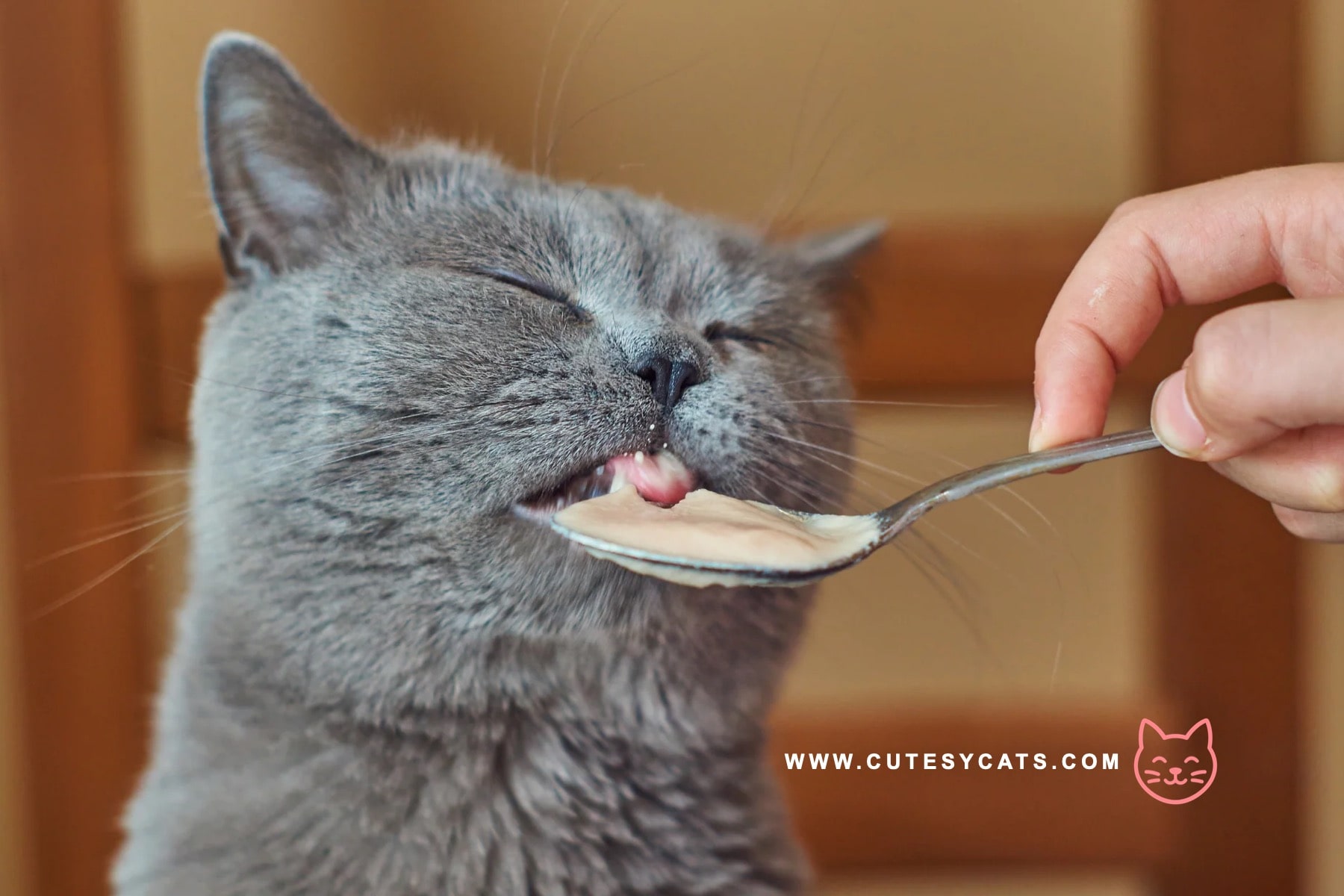
Flavored peanut butter may contain chocolate or vanilla. Chocolate and certain flavorings are toxic to cats. Even tiny amounts can be dangerous. Flavorings increase the risk of poisoning.
Some peanut butter has xylitol as a sugar substitute. Xylitol can cause rapid blood sugar drops in cats. It is extremely toxic and life-threatening. Always check ingredient labels carefully.
Crunchy peanut butter contains small nut pieces. Nuts can be a choking hazard for cats. They also add extra fat that may upset digestion. Smooth versions are slightly safer but still not recommended.
Oil-added peanut butter increases calorie and fat content. Excess fat may cause pancreatitis in cats. Even healthy oils can be too much for a small feline. Portion control does not eliminate all risks.
Processed spreads may include preservatives or stabilizers. Cats may react to these additives with digestive issues or allergies. Natural alternatives without additives are safer but still risky. Feeding should be avoided.
No type of peanut butter is completely safe for cats. Risks come from fat, sugar, salt, and toxic additives. Avoiding peanut butter protects feline health. Cats thrive on balanced, species-appropriate diets.
How Even Small Amounts of Peanut Butter Can Harm Cats
Cats are much smaller than humans and require far fewer calories. Even a teaspoon of peanut butter can be too much. High fat and sugar content can quickly upset digestion. Moderation does not eliminate all risks.
Xylitol, when present, is dangerous in extremely small amounts. A tiny lick can cause serious health problems. Blood sugar can drop rapidly, leading to weakness or seizures. Immediate veterinary attention is required if xylitol is ingested.
Salted peanut butter adds additional strain on kidneys. Cats cannot tolerate high sodium levels like humans. Even small amounts may trigger kidney or heart stress. Avoiding salted varieties is safest.
Crunchy peanut butter may pose choking hazards. Nut pieces are difficult for cats to chew properly. Small nuts may get lodged in the throat. Smooth textures reduce this risk slightly but are still not ideal.
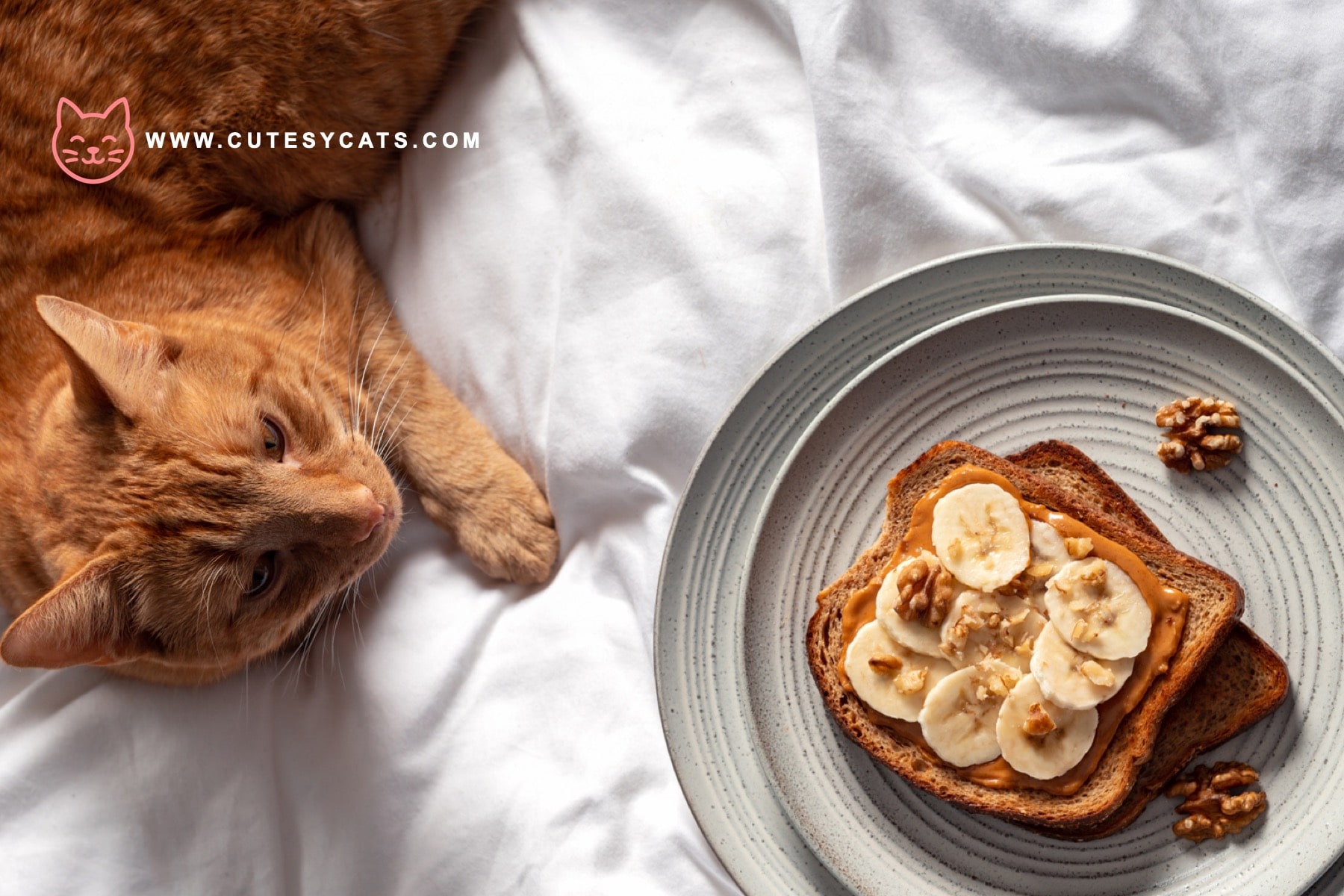
Frequent exposure increases the likelihood of long-term health problems. Obesity, pancreatitis, or digestive issues may develop over time. Even occasional indulgence can have cumulative effects. Owners should carefully limit access.
The safest approach is to avoid peanut butter entirely. Cats do not require this treat for nutrition. There are safer alternatives to satisfy curiosity or reward them. Prevention is the easiest way to protect their health.
How Repeated Peanut Butter Exposure Can Affect Cats Over Time
Feeding peanut butter regularly can lead to obesity in cats. High fat and calorie content contributes to weight gain. Obesity increases the risk of diabetes and joint problems. Maintaining a healthy weight is essential for feline wellbeing.
Digestive issues may develop from repeated exposure. Vomiting, diarrhea, or constipation can occur over time. Cats' sensitive digestive systems struggle with human treats. Long-term digestive discomfort affects overall health and behavior.
Pancreatitis is a serious risk from fatty foods. Excess fat can inflame the pancreas and cause pain. Symptoms may include lethargy, vomiting, or loss of appetite. This condition requires prompt veterinary care.
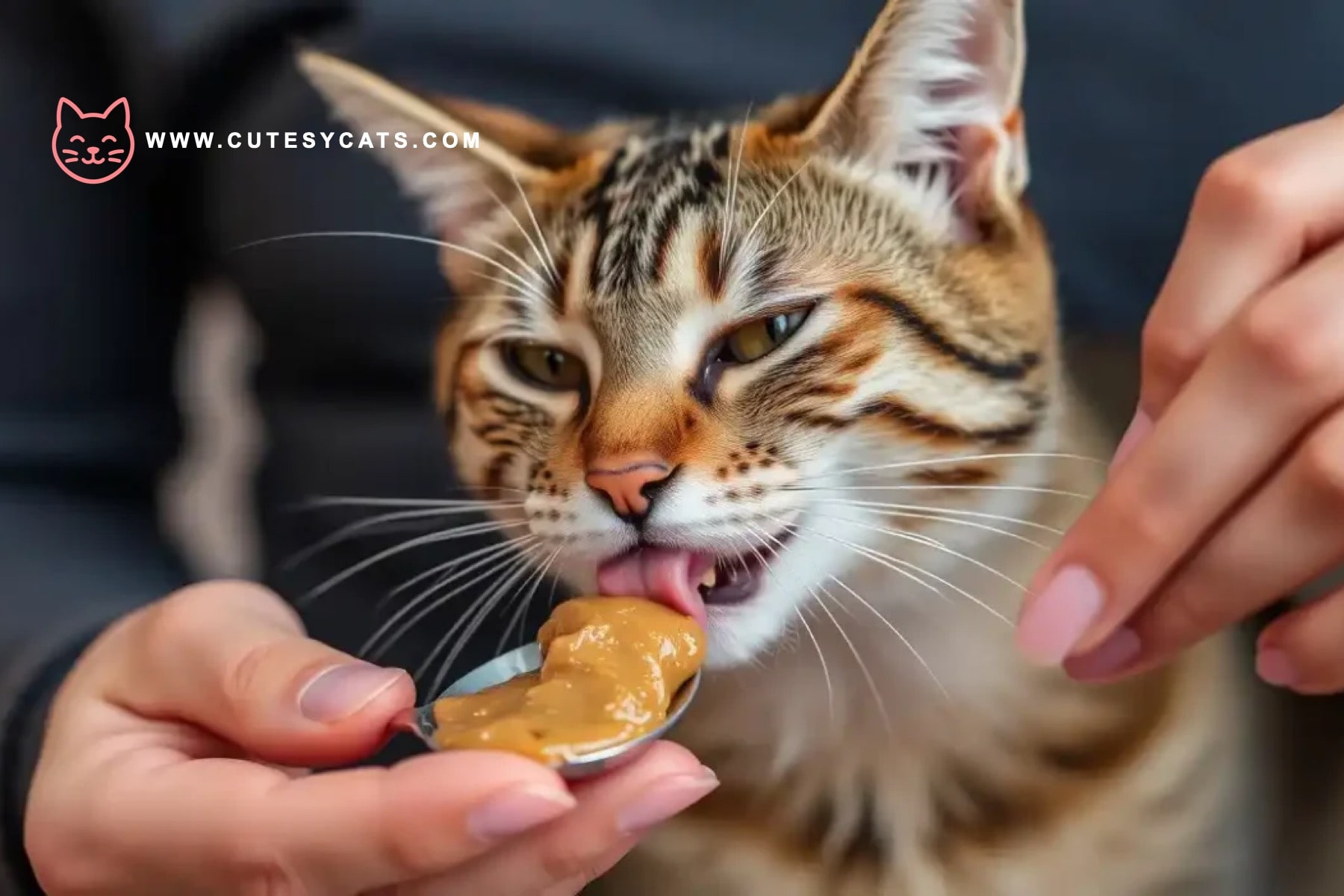
Sugar in some peanut butter varieties may cause health problems. Even small amounts contribute to metabolic stress over time. Cats are not equipped to process added sugar efficiently. Chronic intake can harm their liver and pancreas.
Repeated exposure may trigger allergic reactions or sensitivities. Cats may develop skin irritation, itching, or respiratory issues. Allergic responses can worsen with each exposure. Careful avoidance prevents long-term complications.
Behavioral changes may also occur from overfeeding treats. Cats may become less active or overly food motivated. Consistent dietary management is key to maintaining health. Healthy feeding habits ensure a longer, happier life.
Steps to Take Immediately When Your Cat Eats Peanut Butter
If your cat eats peanut butter, stay calm and assess the situation. Determine the type and amount ingested. This information will help a veterinarian provide accurate guidance. Quick action can prevent serious complications.
Remove any remaining peanut butter from the cat's reach. Prevent further access immediately to avoid additional exposure. Cats are curious and may return to the source. Safety starts with controlling the environment.
Monitor your cat for any signs of illness. Look for vomiting, diarrhea, lethargy, or unusual behavior. Keep a close eye for allergic reactions or distress. Document symptoms to share with your veterinarian.
Contact your veterinarian if the peanut butter contains xylitol. Xylitol can be life-threatening even in tiny amounts. Provide the vet with details about ingestion and your cat's weight. Follow all instructions carefully for the best outcome.
Do not attempt to induce vomiting unless directed by a professional. Incorrect actions may worsen the situation or cause aspiration. Only a veterinarian can recommend safe steps. Timing and method matter greatly for your cat's safety.
Provide a calm, comfortable space for your cat. Keep water and a quiet environment available. Observe for changes in behavior or digestion. Prompt care and monitoring improve recovery and prevent complications.
Safe and Delicious Treat Options to Share with Cats
Plain cooked chicken or turkey is a safe treat for cats. These lean proteins support muscle health and overall nutrition. Serve in small, bite-sized pieces for easy consumption. Avoid seasoning or sauces that may contain harmful ingredients.
Small amounts of plain cooked fish can also be offered. Salmon and whitefish provide omega-3 fatty acids for healthy skin and coat. Ensure all bones are removed to prevent choking hazards. Feeding fish occasionally is sufficient for a balanced diet.
Vegetables like carrots and pumpkin are safe in moderation. They provide fiber and vitamins without risking toxicity. Lightly cook or mash vegetables to aid digestion. Cats may need time to adjust to new flavors.
Cat-safe fruit options include small pieces of melon or blueberries. These fruits provide antioxidants and hydration. Avoid citrus or grapes, which are toxic to cats. Offer fruits as occasional treats rather than regular snacks.
Commercial cat treats are formulated for feline nutrition. They are convenient and safe when given in moderation. Check ingredient labels for allergens or artificial additives. Treats should complement a balanced diet, not replace it.
Homemade cat treats can be made using safe ingredients. Simple recipes with chicken, fish, or certain vegetables are ideal. Avoid human foods that contain sugar, salt, or fat. Homemade treats allow full control over nutrition.
Catnip or cat grass can also engage and reward your pet. These options provide mental stimulation and safe chewing material. They support digestion and encourage playful behavior. Many cats enjoy these as a fun alternative.
Rotating safe treats keeps cats interested and healthy. Offering a variety prevents boredom and overfeeding. Always introduce new treats gradually. Responsible feeding ensures long-term wellbeing and enjoyment.
Practical Ways to Protect Your Cat from Unsafe Human Foods
Keep all peanut butter and other harmful foods out of reach. Store them in high cabinets or closed containers. Cats are curious and may explore counters or tables. Prevention starts with controlling the environment.
Avoid feeding table scraps with unknown ingredients. Even small amounts can be risky for cats. Be cautious with sauces, spreads, or baked goods. Human foods often contain hidden toxic ingredients.
Educate everyone in the household about food safety. Children and guests may unintentionally offer unsafe treats. Clear communication reduces the chance of accidents. Everyone should understand which foods are harmful.
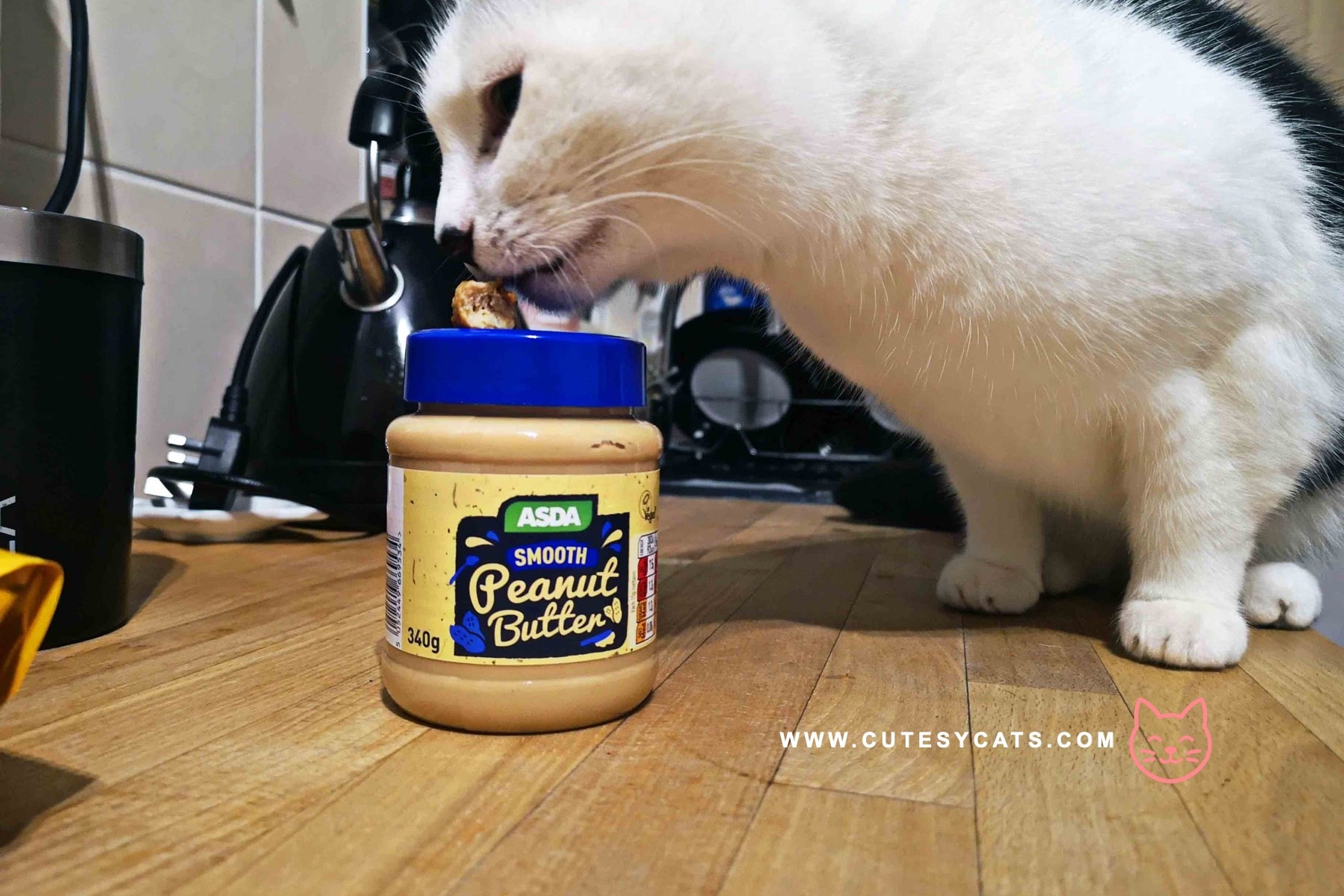
Clean kitchen surfaces thoroughly after preparing meals. Residual peanut butter or other foods can pose hidden dangers. Wipe counters, sweep floors, and store leftovers securely. This helps prevent accidental ingestion.
Offer safe treats instead of human foods. Lean meats, certain vegetables, or commercial cat treats are ideal. Safe treats satisfy curiosity without risking health. Variety can be introduced safely to keep cats engaged.
Observe your cat's behavior and health regularly. Watch for unusual symptoms after exposure to new foods. Early detection helps prevent serious complications. Prompt veterinary care ensures safety and wellbeing.
Consistent rules and vigilance protect your cat long-term. Avoiding unsafe foods and monitoring habits is key. Responsible feeding ensures a healthy and happy feline. Prevention is always better than treatment.