
Curiosity Behind Cats and Their Interest in Cucumbers
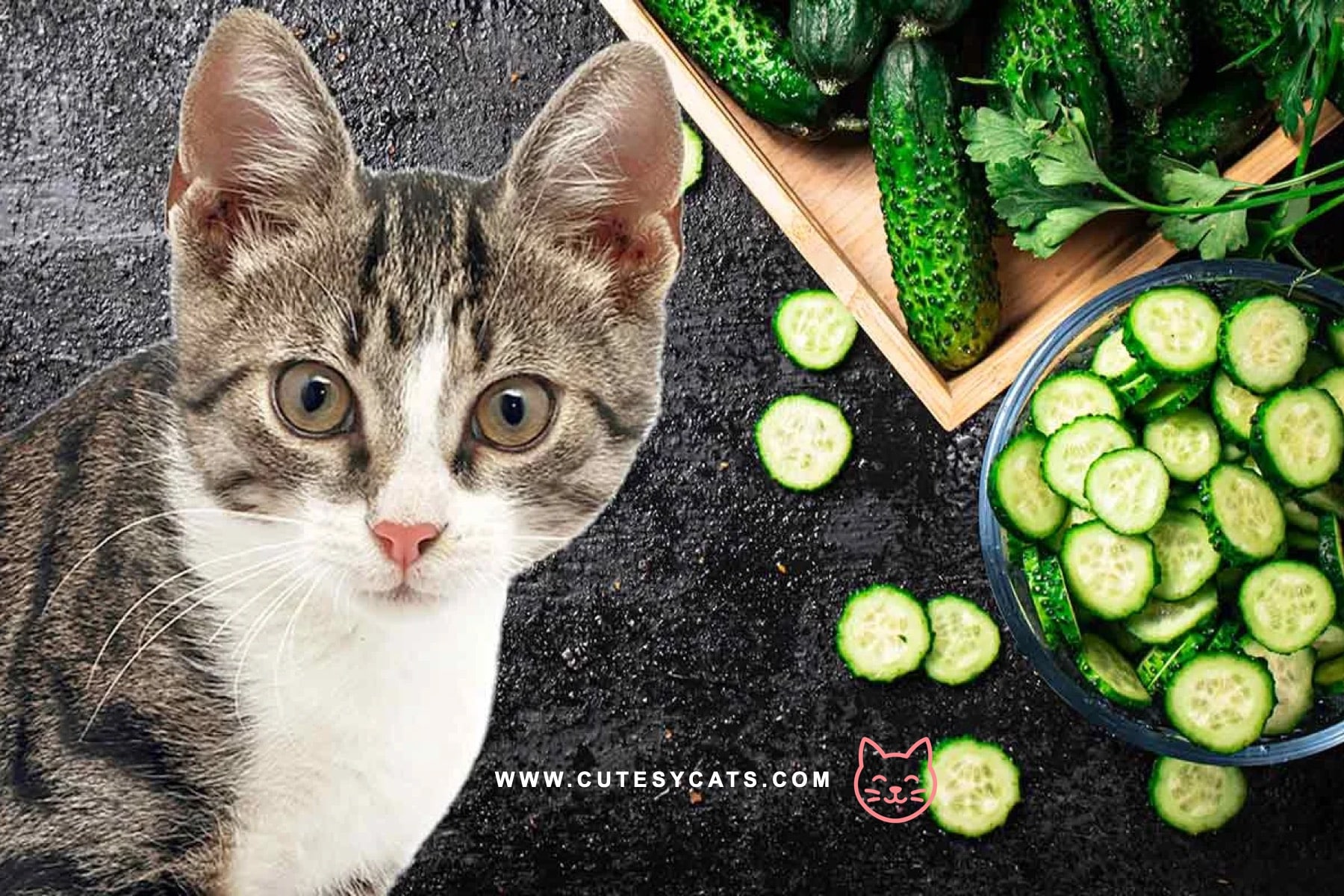
Many cat parents pause when they see their pets sniff a cucumber. The bright color and crisp scent can spark curiosity in even shy cats. This moment often leads owners to wonder if this veggie is safe.
Some cats approach new foods with bold energy, while others stay cautious. Cucumbers fall into that curious space where cats may investigate without clear intent. This simple interaction makes owners question what is safe and what is not.
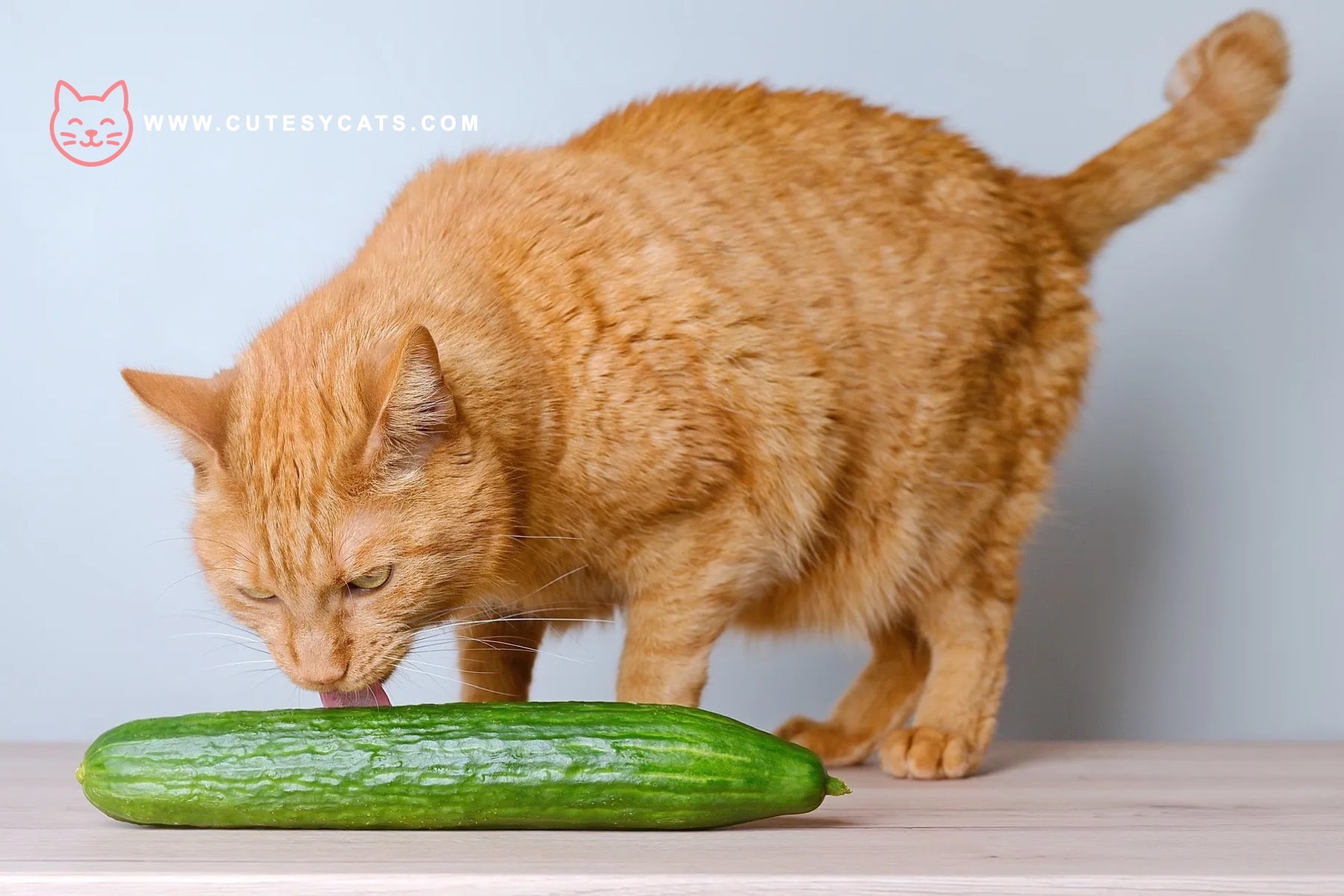
Cucumber interest can start with its mild scent. Cats may also react to how it feels when nudged or tapped. These tiny moments can grow into real questions about safety.
Cat parents often watch their pets explore new items. Their reactions can feel unpredictable and funny. These surprises make owners wonder what their cats might do next.
The mix of curiosity, scent, and texture often brings cucumbers into focus for many cat homes. This curiosity fuels the need to understand whether cucumbers belong in a cat's bowl. It also opens the door to learning how our pets view new foods.
Why Some Cats Cannot Resist the Cool Feel of Cucumbers
Cats often follow their noses, and cucumbers offer a mild scent that can feel new and harmless to them. This gentle smell may spark a simple sniffing session. That small moment can lead to more curious exploration.
The smooth surface of a cucumber can feel interesting under a paw. Some cats enjoy tapping or nudging objects that glide a bit when touched. This small movement can tempt them to keep investigating.
Many cats enjoy testing new textures with soft bites. Cucumbers provide a firm feel that does not break easily. This firmness may intrigue cats who like testing objects without wanting to eat them.
The cool temperature of cucumbers also stands out. Cats notice when something feels different from their usual items. This contrast can draw them in for another sniff or tap.
Some cats simply enjoy exploring anything new placed in their space. Cucumbers become one more object to inspect with care. This playful caution often looks like curiosity.
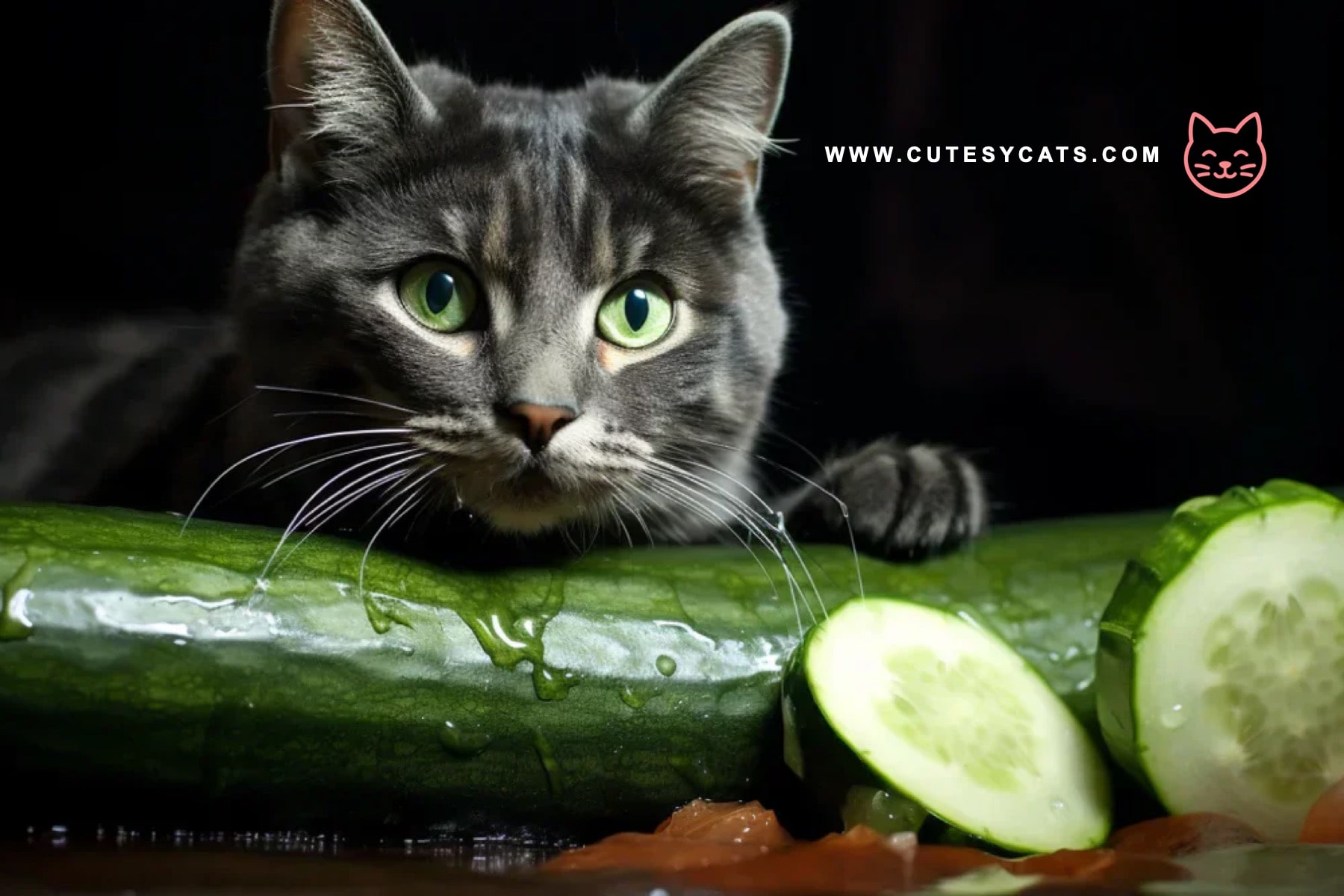
A cucumber on the floor can roll gently when touched. Cats who enjoy batting at mild moving objects might find this detail fun. They may return to it again and again just to test its reaction.
All these small traits, from scent to coolness, connect smoothly with the curiosity mentioned earlier. Cats often engage with cucumbers for reasons that feel simple to us but meaningful to them.
How Tiny Tummies Tackle Greens in Their Own Unique Way
Cats may show curiosity toward cucumbers, but their bodies approach plant foods very differently. Their digestive design centers on processing animal protein. This focus shapes how vegetables move through their system.
Cats have short digestive tracts that speed food along. This structure works well for meat that breaks down quickly. Plant fibers pass through with less change.
Their stomach acid is strong, yet it suits protein more than plants. This mix helps soften some vegetable pieces. It still leaves many plant parts less broken down.
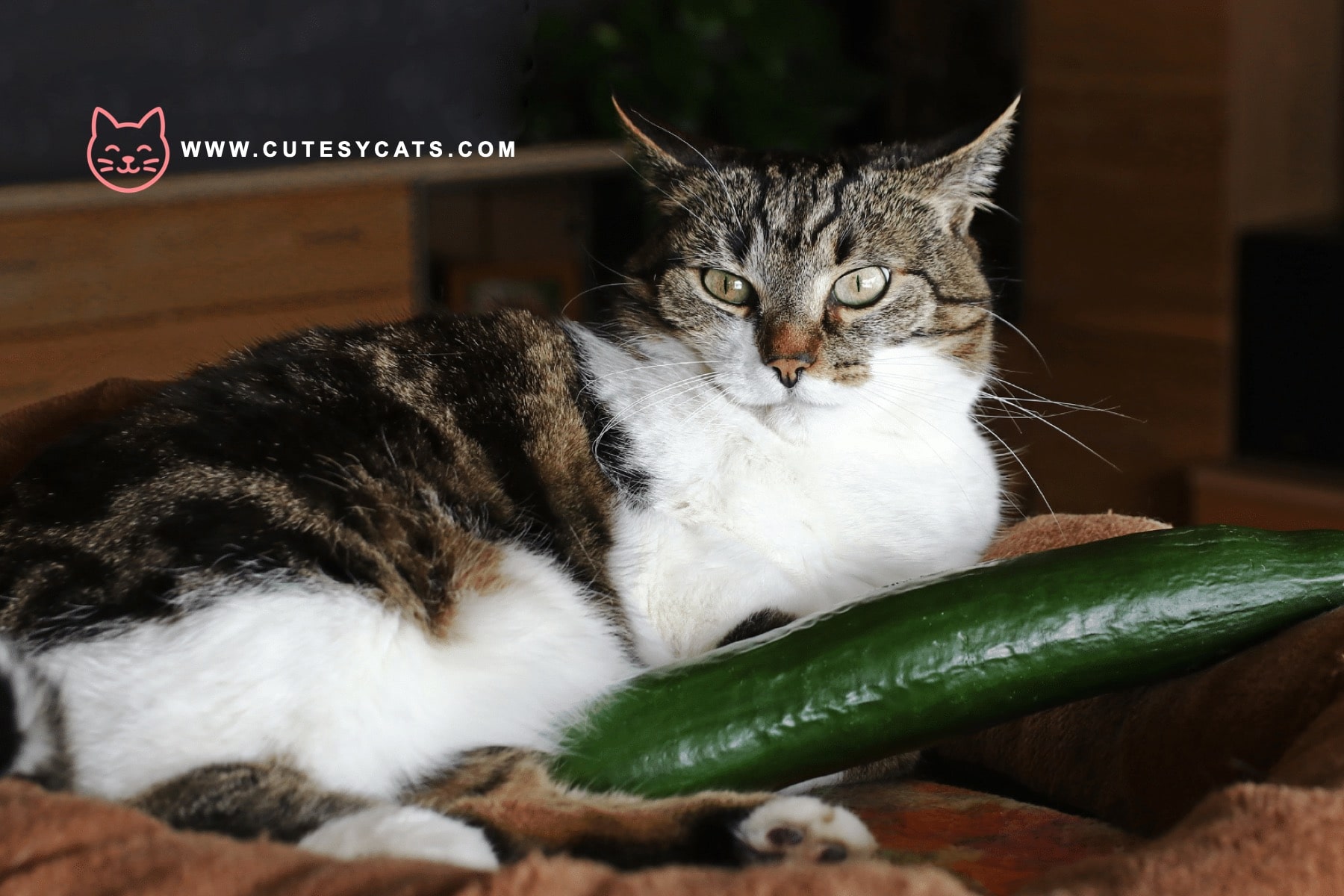
Cats do not produce the same enzymes humans rely on for plant digestion. This limitation slows the process with vegetables. It explains why some plant foods pass almost intact.
Even with these limits, tiny amounts of vegetables can move through without major trouble. Their system handles small portions as long as they are soft. Gentle preparation helps support comfort.
Plant foods travel through mostly for texture rather than nutrition. This means they may act more like simple fillers. Their purpose is often mild and not essential.
All of this connects with the curiosity discussed earlier, showing that interest does not always mean suitability. Cats explore many foods, but their bodies still follow their own rules.
Why Cool Crisp Cucumbers Offer More Than Simple Crunch
Cucumbers bring a gentle mix of hydration and mild texture that can interest some cats. Their high water content adds a soothing freshness. This quality connects well with the earlier look at how plant foods travel through feline systems.
Many cats benefit from extra moisture in small treats. Cucumbers offer this without adding heaviness. Their light structure keeps the snack easy for most cats to manage.
The fiber in cucumbers is mild and present in small amounts. This fiber can help add slight bulk to the stool. It remains gentle enough for most cats when offered sparingly.
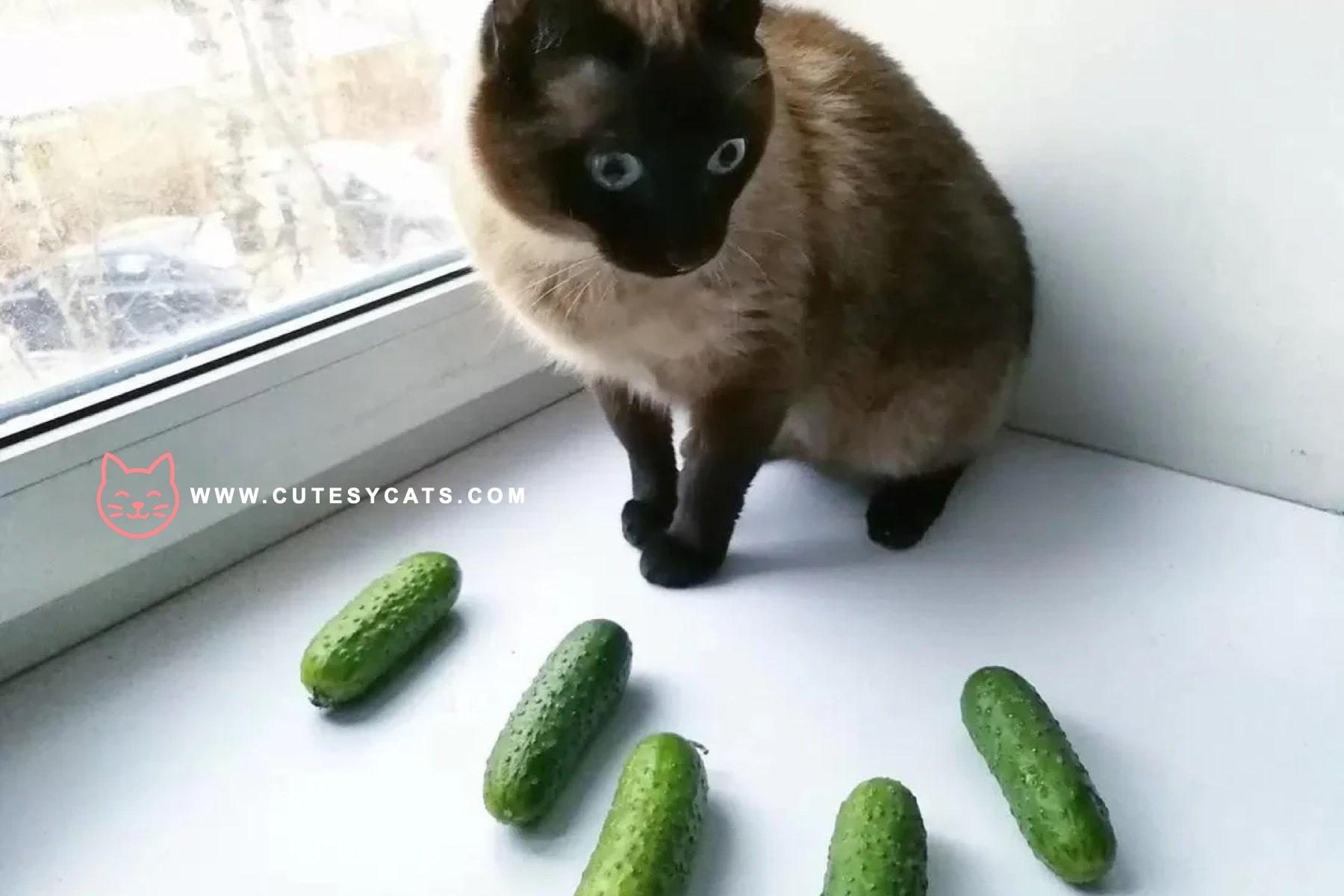
Trace nutrients appear in cucumbers, though they play a tiny role for cats. These nutrients include small amounts of vitamins and minerals. Their impact is limited since cats rely on meat based nutrition.
The low calorie nature of cucumbers makes them a harmless treat for many cats. This keeps the snack from interfering with regular meals. It helps owners feel at ease when offering tiny bites.
Cucumbers also bring a refreshing mouthfeel that some cats enjoy. This sensation adds to their curiosity. It follows the earlier discussion about their interest in textures and scents.
Even with these small benefits, cucumbers never replace species specific nutrition. Their role stays within the realm of light treats. Cats need balanced meals that meet their true dietary needs.
Offering cucumbers works best when kept minimal. Cats gain more enjoyment than nutrition from them. This keeps their place in the diet simple and easy to manage.
Understanding the Hidden Dangers Cucumbers Could Pose to Cats
While cucumbers are generally safe in small amounts, some risks exist. Choking is a concern if pieces are too large or hard. This follows the previous discussion about portion size and digestibility.
Digestive sensitivity may appear when a cat eats cucumber for the first time. Gas, mild diarrhea, or stomach upset can occur. Owners should observe how their cat reacts after tasting small amounts.
The seeds in cucumbers are typically harmless but may irritate sensitive digestive tracts. Removing seeds can reduce potential issues. It is a simple precaution to keep in mind.
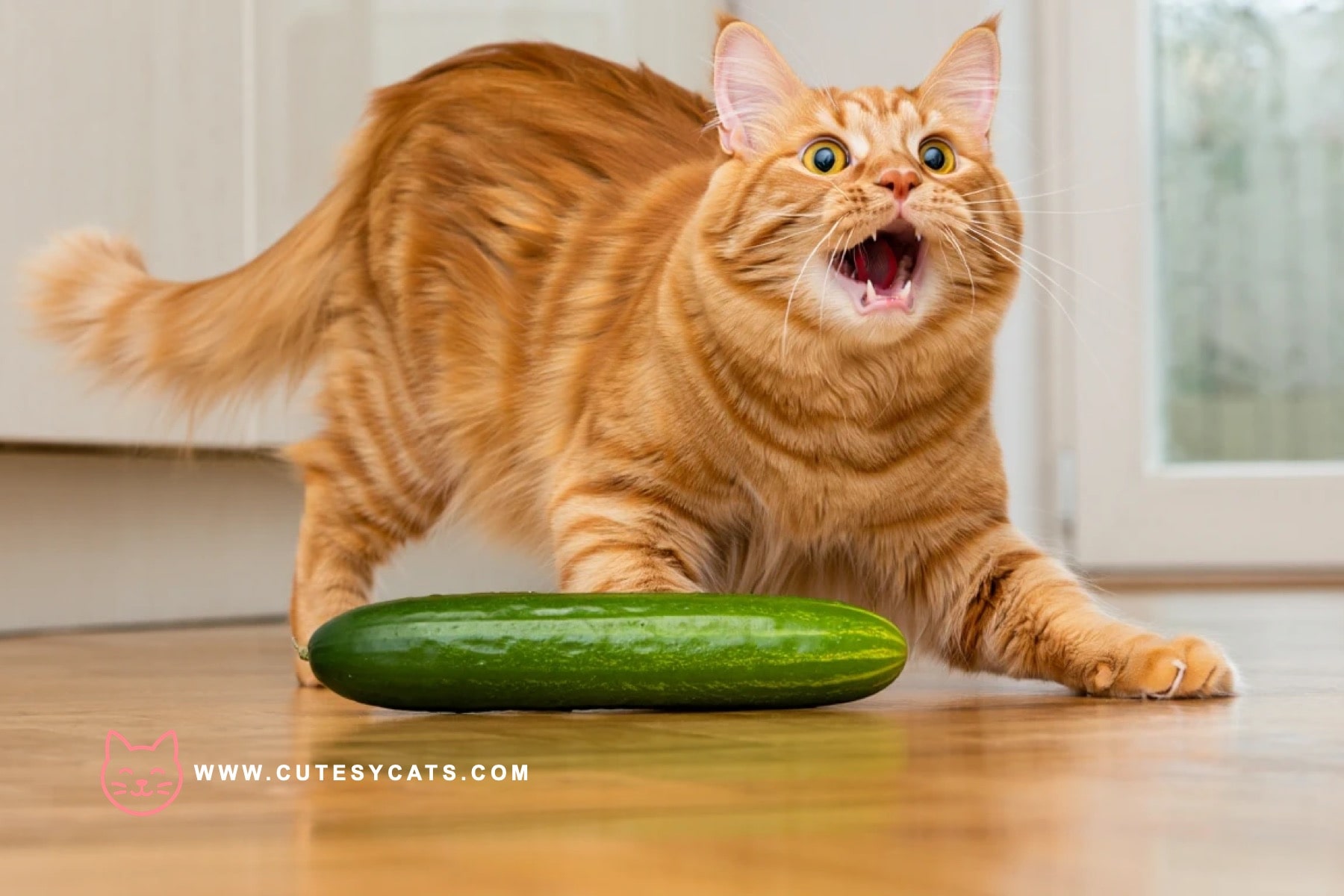
Cucumber skin may cause mild difficulty for some cats. Peeling the vegetable can ease chewing and reduce the chance of digestive upset. It ensures a safer treat experience.
Choking concerns increase with raw, thick, or uneven slices. Cutting cucumbers into thin, manageable pieces helps reduce this risk. Cats with smaller mouths need extra caution.
Digestive upset is usually minor but can become uncomfortable if a cat consumes large amounts. Observing reactions closely prevents unnecessary stress. Moderation remains key for safety.
Even mild reactions should be taken seriously if they persist. Seeking veterinary advice is important if vomiting or diarrhea continues. Prevention and observation go hand in hand.
Offering cucumbers should be limited to small, manageable portions. Removing seeds and peeling skin further lowers risk. Combining safe handling with moderation creates a responsible snack approach.
Comparing Raw and Cooked Cucumbers for Cat Safety and Digestion
Raw cucumbers offer crunch and hydration but may be harder to chew for some cats. Small, thin slices reduce choking risk. Observation is important when first offering raw pieces.
Cooked cucumbers are softer and easier to digest. Light steaming preserves nutrients while easing texture. This can be beneficial for older or sensitive cats.
Raw cucumber retains all natural vitamins and fiber. It provides maximum hydration but can be too firm for kittens or cats with dental issues. Moderation is essential.
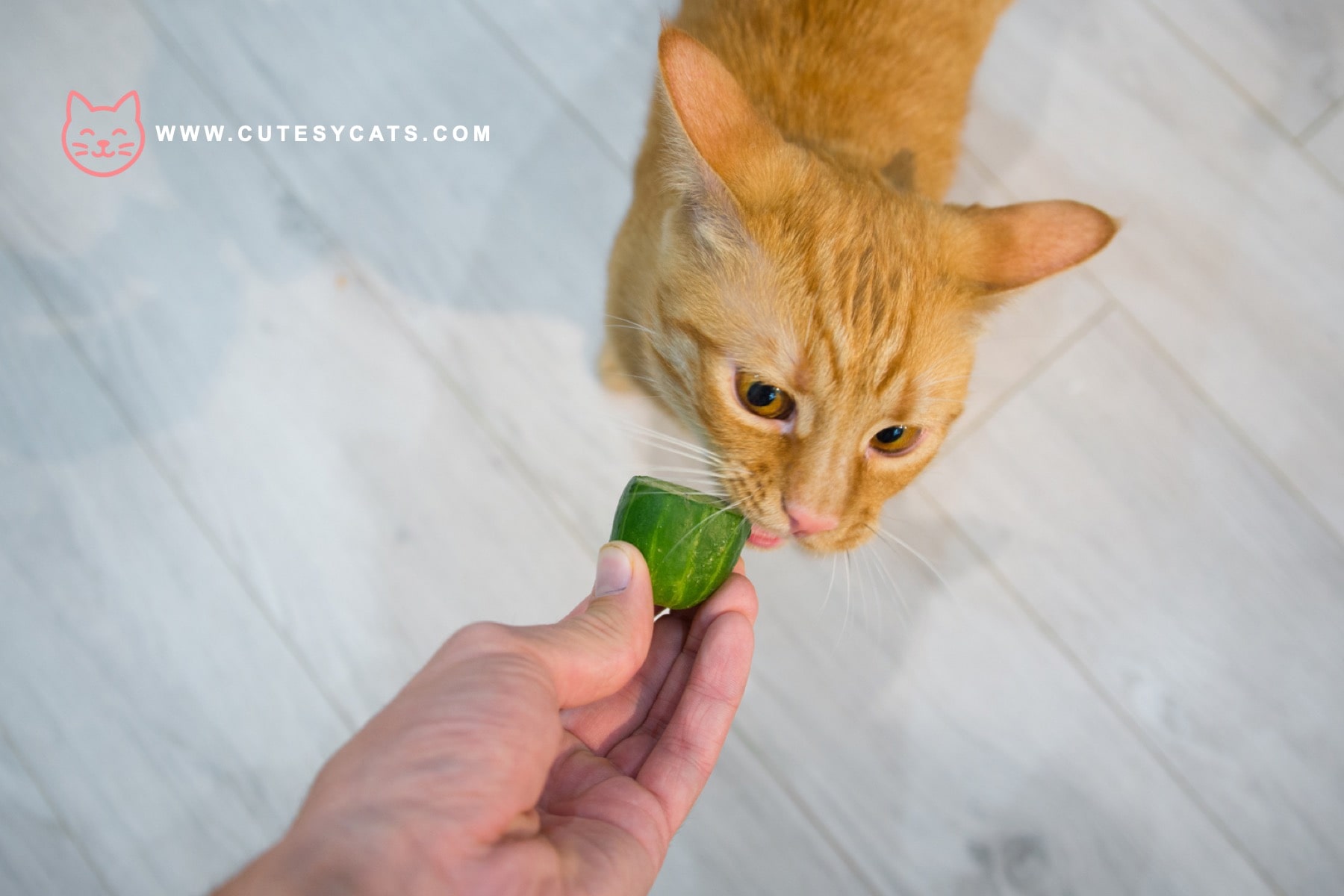
Cooking slightly decreases fiber but improves digestibility. Softened pieces are easier to swallow and less likely to irritate the digestive tract. Serving temperature should be safe and lukewarm.
Some cats may prefer raw for texture and playfulness while others accept cooked due to ease of chewing. Offering both in rotation can help identify preference. Careful portioning prevents overfeeding.
Balancing raw and cooked options ensures variety without compromising safety. Monitoring reactions and adjusting serving size keeps cucumber treats a safe, occasional snack. It continues the focus on responsible feeding.
How to Keep Cucumber Treats Safe for Your Cat in Portions
Start with very small slices when introducing cucumbers. Observe your cat for any signs of digestive upset. Gradual introduction helps prevent sudden reactions.
One or two thin slices are sufficient for occasional treats. Offering more than a few pieces may overwhelm their digestive system. Frequency should be limited to avoid overfeeding.
Alternate cucumber servings with other safe vegetables or treats. This ensures your cat receives variety without relying too heavily on one type of food. Portion control remains key.
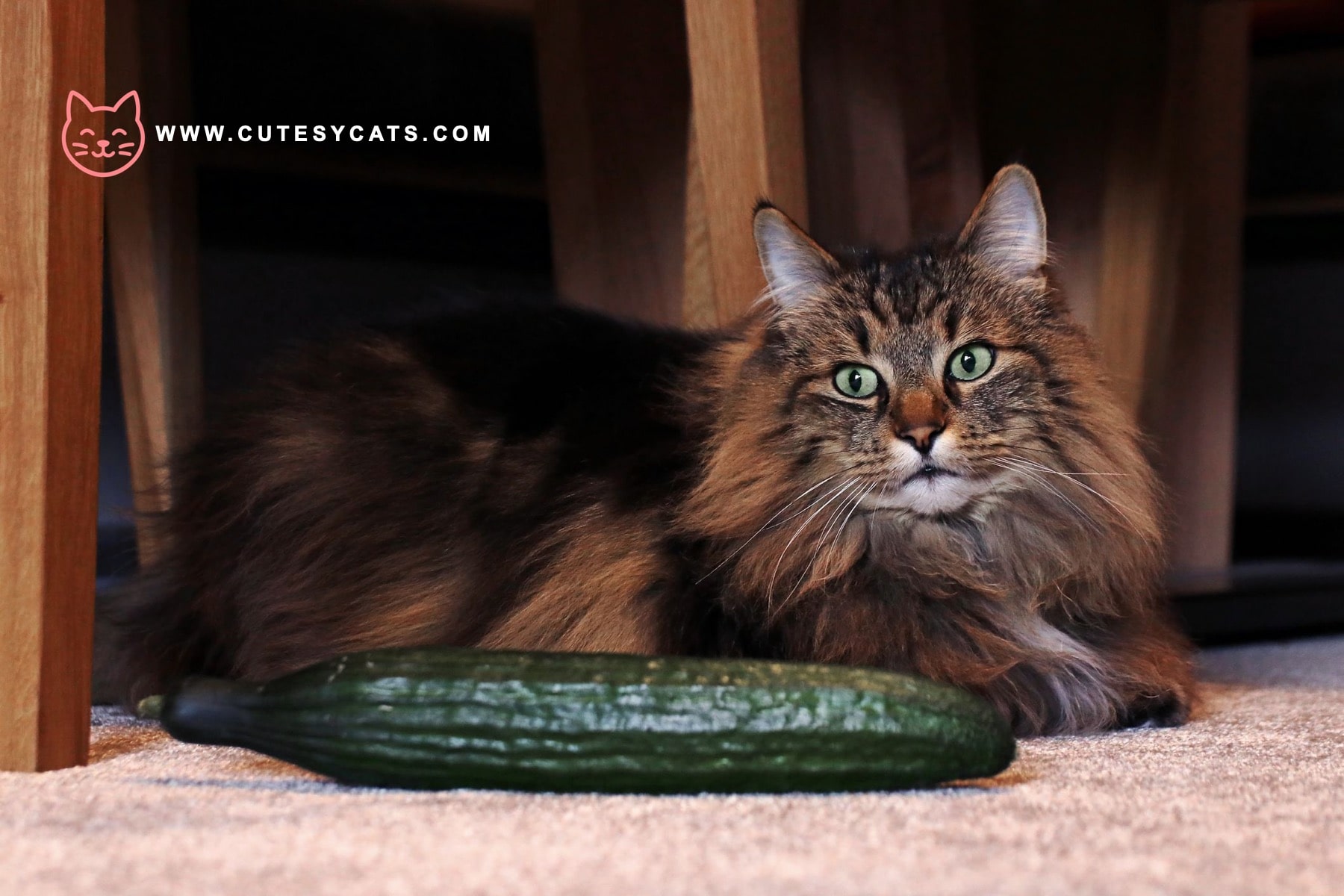
For kittens or small cats, even smaller amounts are advisable. Their digestive systems are more sensitive to new foods. Monitoring is essential during early exposure.
Avoid giving cucumbers too often in a single day. Spread out occasional treats across the week for balanced nutrition. This prevents potential stomach upset and encourages moderation.
Always cut cucumber into manageable, bite sized pieces. Supervise your cat during feeding to avoid choking hazards. Safe portions make cucumber a fun and healthy treat.
How to Tell If Your Cat Struggles With Eating Cucumbers
Some cats may vomit shortly after nibbling cucumbers. Keep track of any immediate reactions. This helps identify sensitivity early.
Soft or loose stool can indicate digestive upset. Monitor your cat for changes in bathroom habits. Occasional irregularity may be harmless, but consistent issues need attention.
Refusal to eat cucumber is another sign of intolerance. Cats may sniff and walk away. Trust their instincts when they show disinterest.
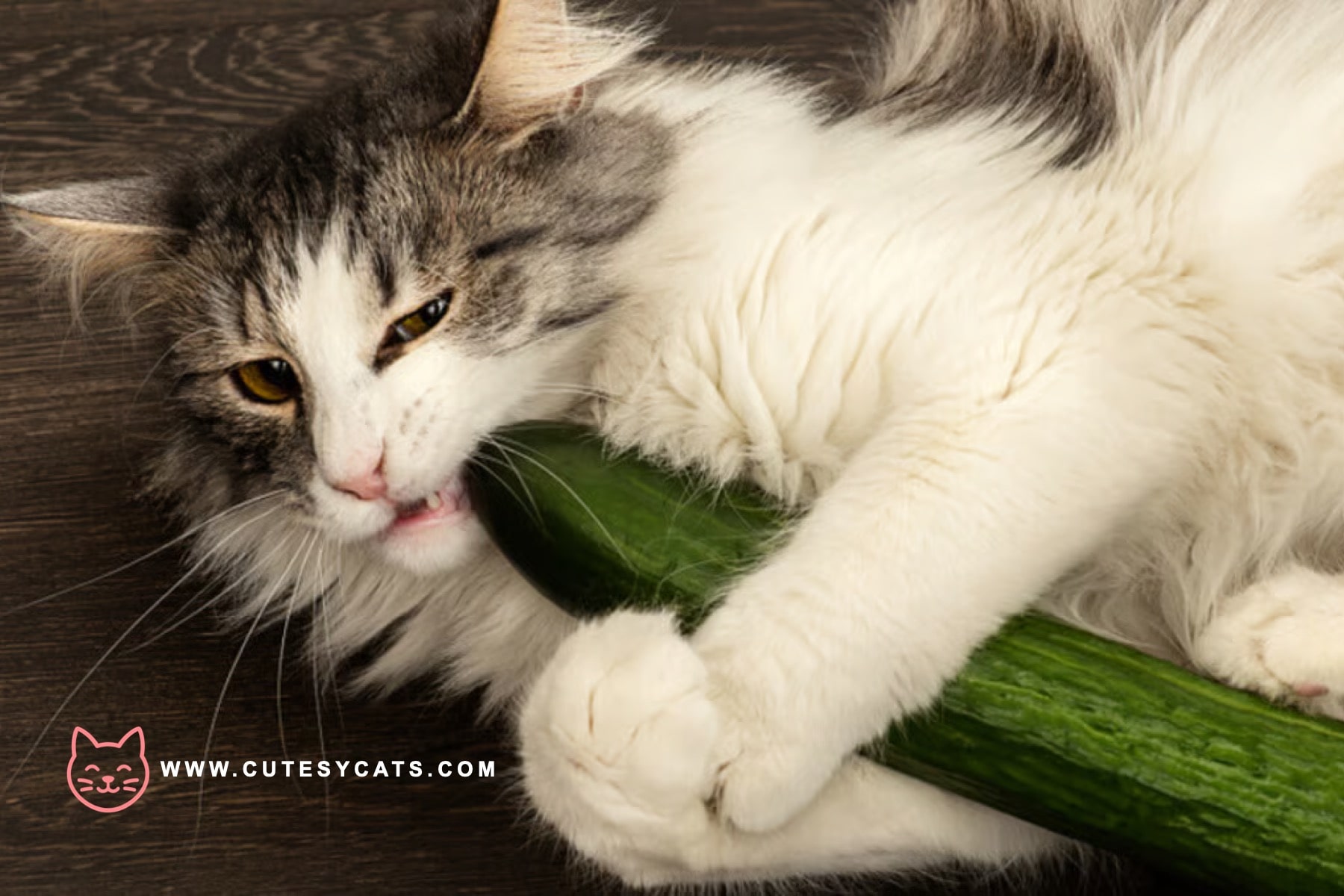
Excessive drooling or pawing at the mouth can also occur. These signs suggest the texture or taste may not agree with your cat. Always watch carefully.
Lethargy or decreased activity after eating cucumber can indicate discomfort. Note any behavior changes following exposure. Early detection helps prevent worsening symptoms.
If multiple signs appear, remove cucumbers immediately. Provide water and observe for any further reactions. Persistent symptoms should prompt a veterinary consultation.
Keep a log of foods and reactions for reference. This ensures safe experimentation with new treats. Observation is key to understanding your cat's preferences and tolerances.
Finding Fun and Safe Treat Options Beyond Cucumbers for Cats
Some cats may reject cucumbers, so explore crunchy vegetables like zucchini or bell pepper as occasional treats. Monitor their reactions closely.
Small pieces of melon or seedless watermelon provide hydration similar to cucumber. Serve in moderation to avoid stomach upset. Variety can keep your cat interested.
Cooked pumpkin or sweet potato can offer fiber and mild sweetness. These are often easier to digest than raw vegetables. Start with tiny portions.
Frozen peas or green beans can give cats a satisfying texture. They are generally safe and can be offered as a playful snack. Observe chewing habits.
Soft, plain fruits like blueberries or small apple pieces may appeal to curious cats. Avoid seeds and pits to prevent choking hazards. Introduce one fruit at a time.
Commercial cat treats made with vegetables or limited ingredients can mimic crunch. Choose products without added sugar or salt. Moderation is key to avoid digestive upset.
Rotate different safe options to keep treat time engaging. Logging preferences helps identify what your cat truly enjoys. This ensures safe and enjoyable snacking.
Smart Ways to Keep Your Cat Healthy With Safe Treat Choices
Balanced treat habits help maintain your cat's health while letting them enjoy occasional snacks. Moderation is essential to prevent digestive issues.
Always introduce new foods like cucumber slowly and in tiny portions. Watch for signs of discomfort or unusual behavior after each trial.
Rotate safe treats to provide variety. This keeps your cat curious and engaged while reducing the risk of overeating any single item.
Hydration and nutrient content matter when choosing treats. Incorporate water rich foods and fiber sources to support digestive and overall health.
Avoid giving large amounts of human foods at once. Consistent monitoring of reactions ensures treats remain a safe and enjoyable part of your cat's routine.
Plan treat sessions around play or training. This adds mental stimulation while reinforcing positive habits and ensures treats complement rather than replace balanced nutrition.