
When Bright Orange Curiosity Meets a Feline Appetite
Many cat owners notice their cats sniffing or tapping at carrots with interest. The bright color often draws a quick glance from curious felines. This simple moment leads owners to wonder if the veggie is safe to share.
Cats surprise us when they show interest in foods outside their usual favorites. Some cats bat at carrots as if they are toys, which makes owners think about offering a tiny taste. This question grows as cat parents search for treats that feel healthy.
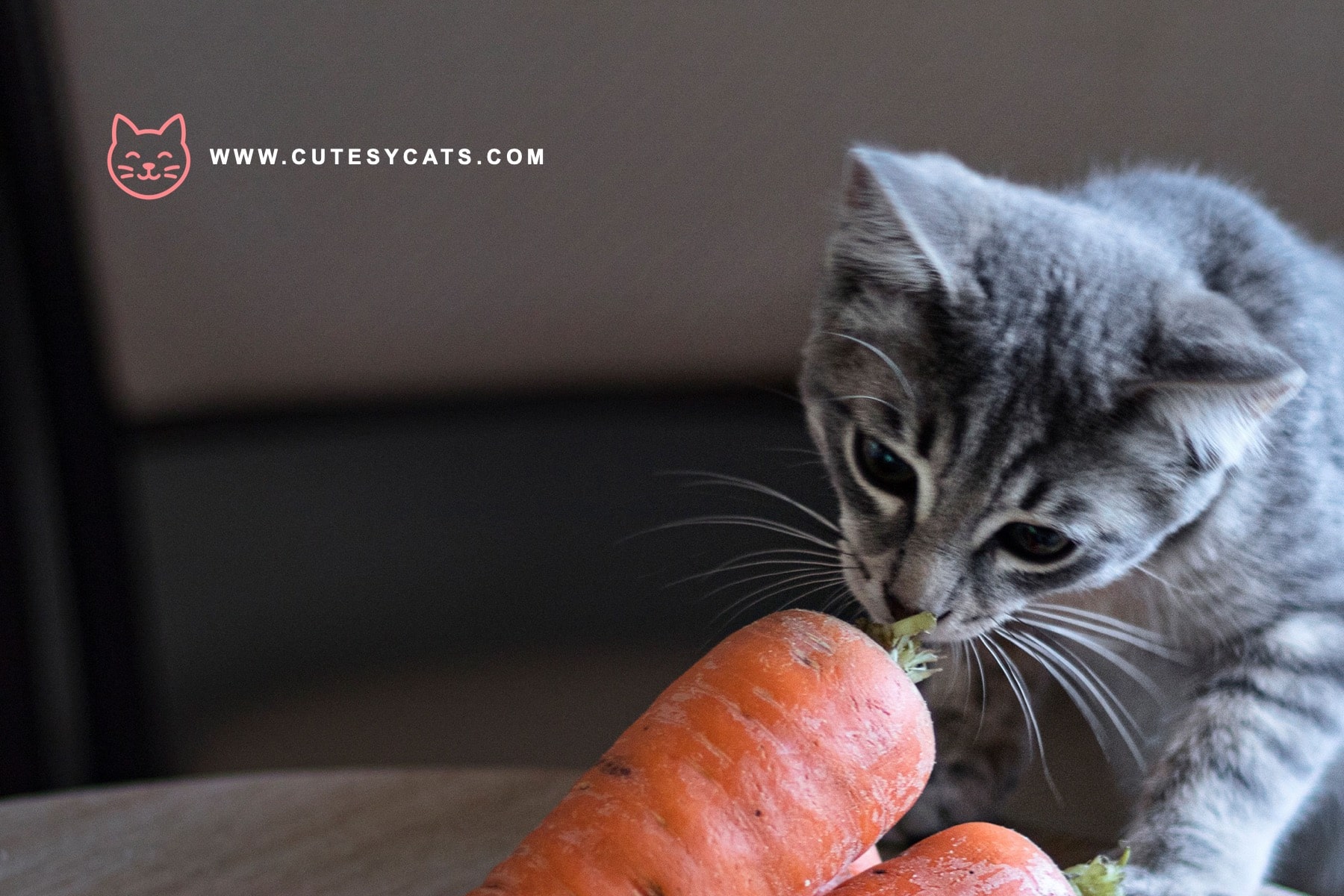
Carrots often appear in many homes, which explains why the thought of sharing them comes up so easily. Their crunch and color can catch a cat off guard and spark instant attention. That reaction makes owners think about whether cats can enjoy veggies safely.
The growing interest in healthier treat ideas encourages many cat parents to consider carrots. Cats may sniff or lick a piece out of curiosity, and this small behavior leads to bigger questions. Owners want to know if carrots fit into a safe treat routine. They also hope the veggie will add a little variety.
As more owners explore creative treat options, carrots often land on the list of possibilities. The idea feels simple and wholesome, which makes the question even more common. Cat parents want to understand whether this veggie offers a safe experience. They also want to avoid giving anything that could upset their cat.
Why Some Cats Feel Drawn to the Crunch and Color of Carrots
Your cat's curiosity about carrots often grows from the same spark mentioned earlier. That bright color catches the eye, and the interest continues when your cat gets closer. Many cats react to a new texture with quick taps or gentle sniffs, which makes the moment even more intriguing for them.
Some cats enjoy exploring objects that offer a firm feel under their paws. Carrots provide that exact sensation when a cat nudges them on the floor. This simple interaction can feel playful and rewarding. It encourages the cat to keep investigating.
A carrot's fresh scent is mild, yet it still offers something unfamiliar to your cat. Cats enjoy learning through scent, and new smells can feel exciting. This gentle aroma invites a short sniff session that may lead to more interest.
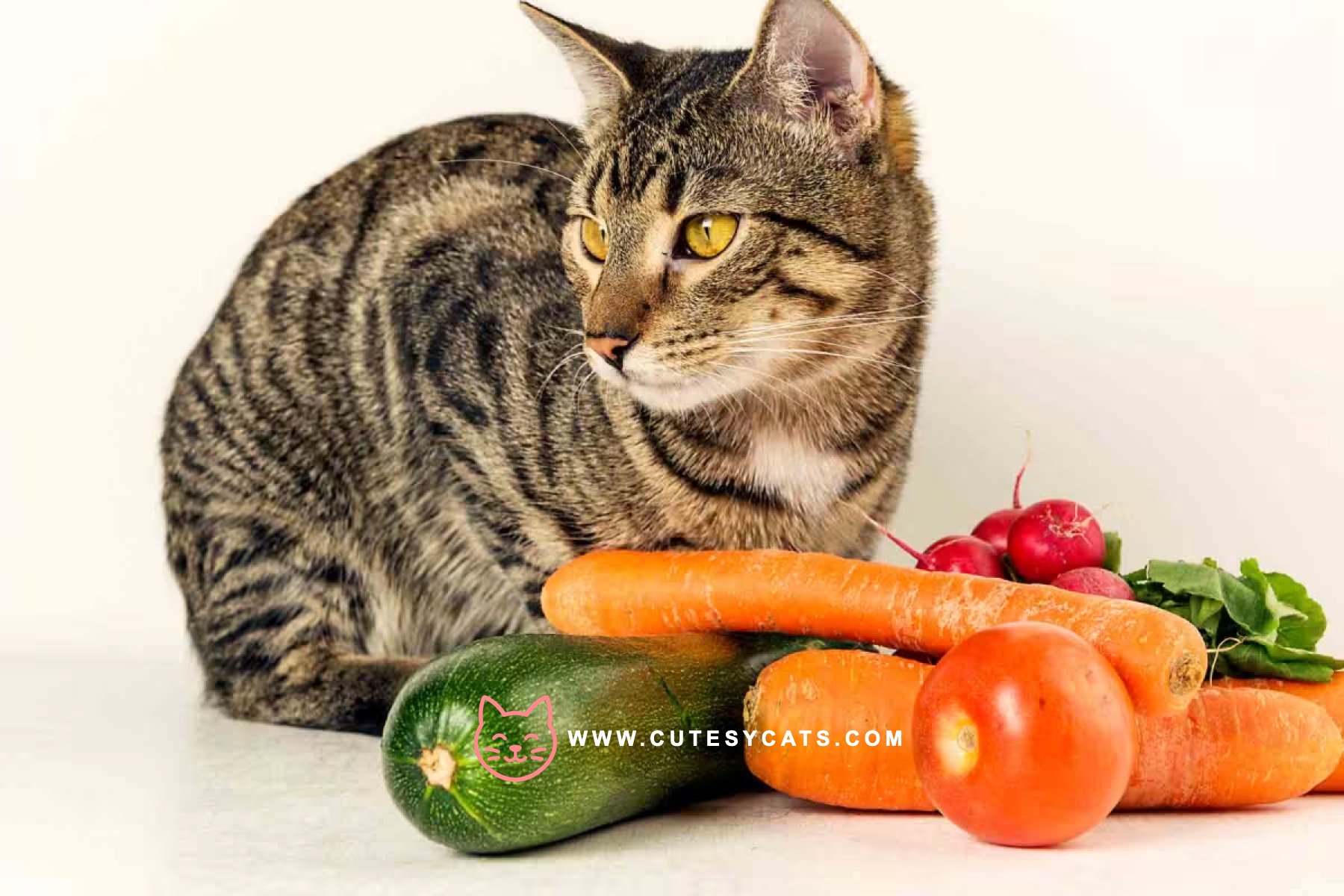
The natural crunch of carrots can draw some cats in, even if they do not plan to chew. The sound fascinates certain felines who enjoy crisp textures during play. This reaction may look like curiosity about food, even when it is more about exploration. The carrot becomes part of a brief sensory adventure.
Some cats treat carrots like small prey. The shape is easy to bat around, and the firmness mimics the feel of something they might pounce on outdoors. This sparks instinctive behavior that makes the veggie seem more interesting. It becomes a harmless target for their hunting energy.
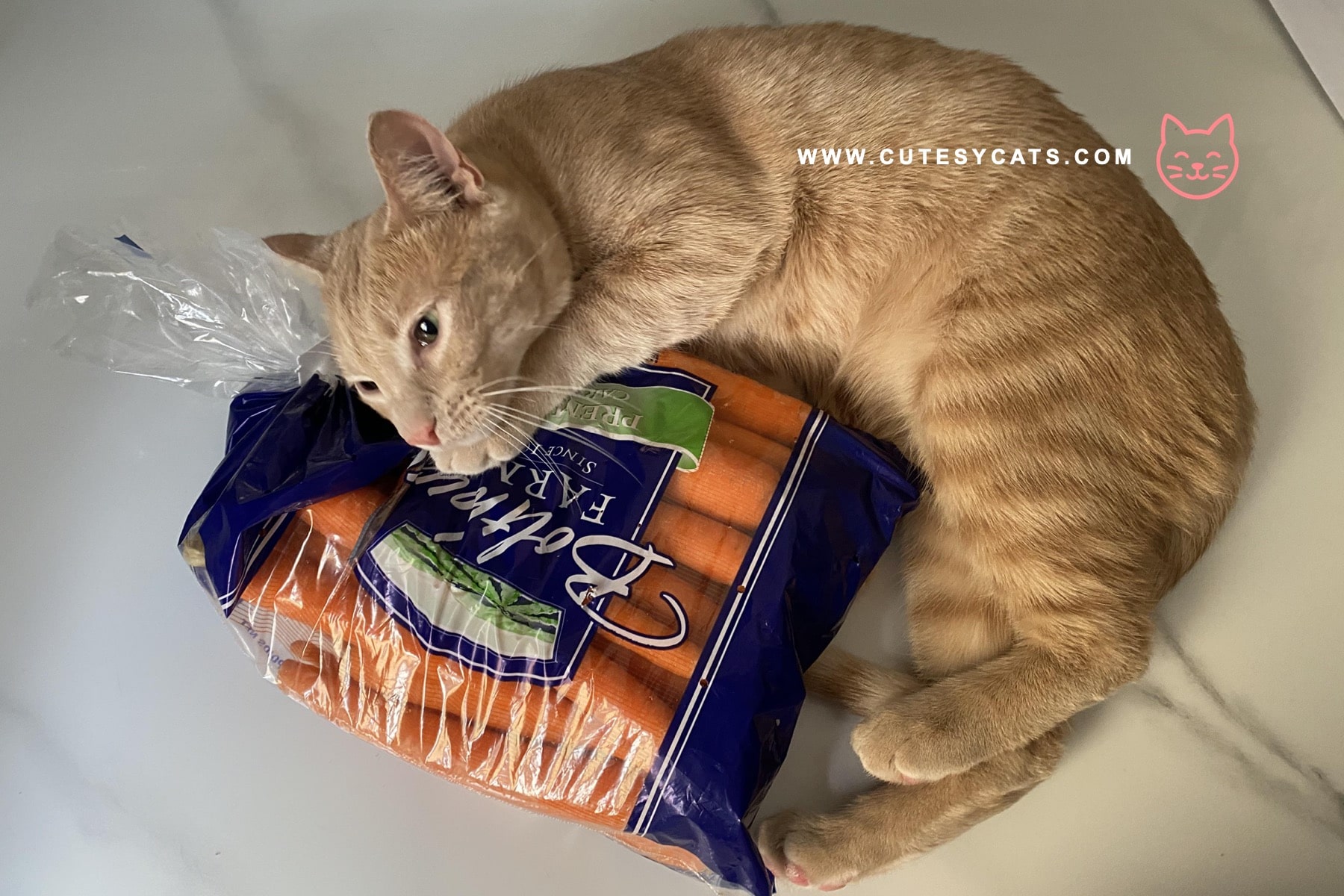
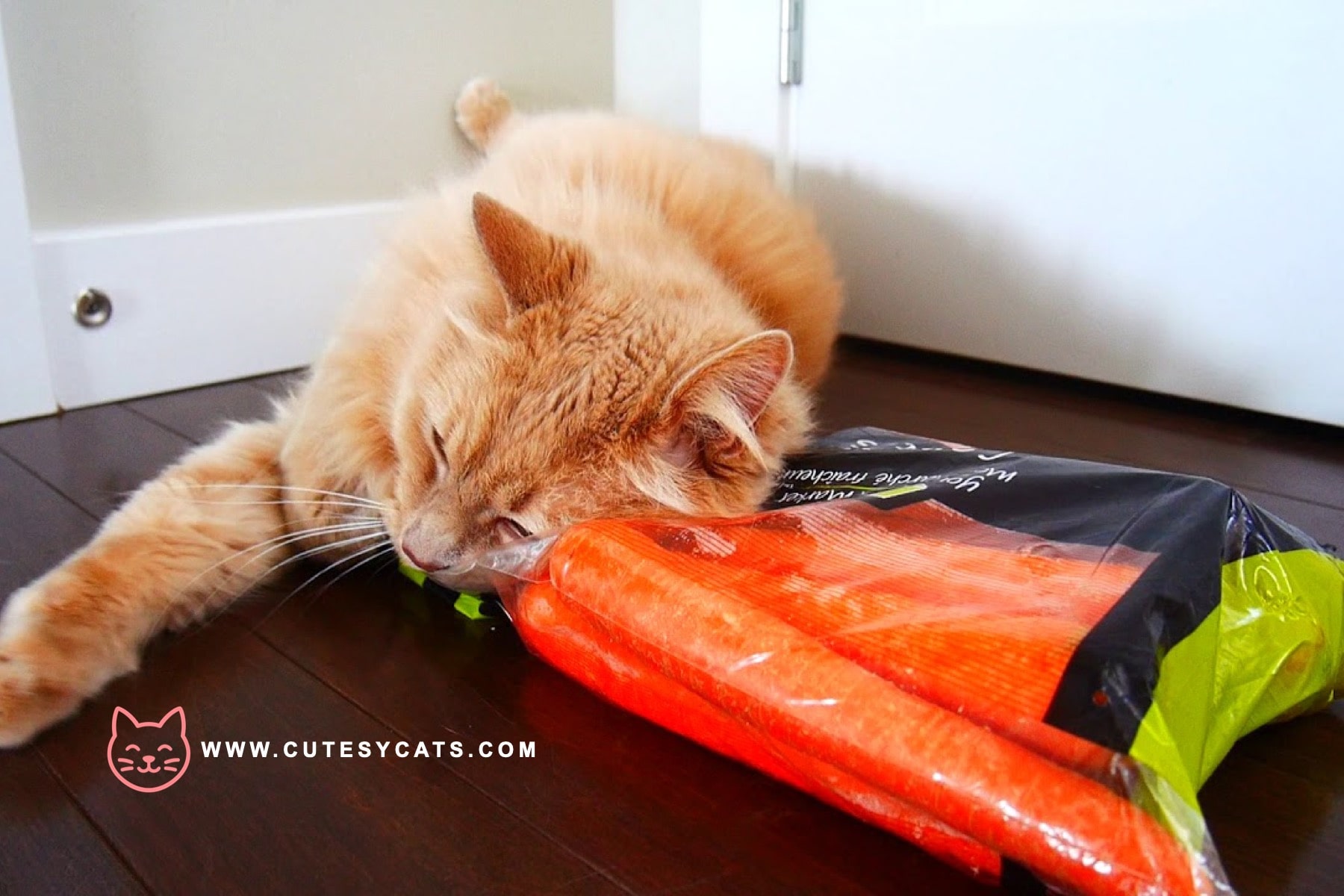
Carrots can also feel cool and smooth, which appeals to cats who enjoy different sensations. Some cats rub their faces on new textures just to learn more about them. This small gesture may seem like a food request, but it is often simple investigation. It shows how cats explore their surroundings.
The bright color also plays a role in catching a cat's attention. Cats may not see colors the way humans do, but they can still detect changes in contrast. A carrot stands out on the floor enough to spark a quick visual check. That flash of interest keeps the moment going.
All of these small details connect to the curiosity we discussed earlier. Cats look at carrots as something unusual but safe to approach. Their playful instincts, sense of smell, and interest in new objects combine to create a short, charming moment of fascination.
Why Feline Tummies Treat Veggie Foods in Their Own Special Way
Your cat's curious reaction to carrots naturally leads to a deeper question about how their body handles plant based foods. Cats are built as true carnivores, so their digestive system is shaped around breaking down meat with ease. This creates a big difference when a vegetable enters the picture.
A cat's stomach produces strong acids that work quickly on animal proteins. These acids help break food down before it moves further along the digestive tract. Vegetables, however, do not respond in the same way. Their structure takes more time for a feline body to process.
Plant fibers present another challenge for cats. Their bodies lack the enzymes that help break down tough plant material. This means veggies travel through the system with less breakdown. Some nutrients remain locked inside the fibers.
Cats also have a shorter digestive tract compared to animals that eat plants regularly. A shorter pathway gives less time to extract nutrients from vegetables. This design works well for meat but not for fibrous foods. It limits what your cat can get from plants.
Since vegetables do not digest as efficiently, they can pass through with minimal change. This is why you may sometimes see bits of veggies in a cat's stool. Their body simply moves the material along without using much of it. It reflects how their system prioritizes other foods.
Even though veggies are not a natural fit, small amounts can still move through without trouble. Soft or cooked forms are usually easier for a cat to handle. These softened textures reduce the strain on their digestive system. It makes the experience gentler on their tummy.
Understanding this helps connect back to why your cat's play with a carrot is mostly curiosity, not a nutritional pursuit. Their digestive system is not designed to benefit from veggies the way ours can. It is simply another interesting thing for them to explore before moving on to what their body is truly meant to enjoy.
How Carrot Nutrients Add a Gentle Boost to Your Kitty's Routine
Since cats do not absorb plant material the same way we do, it helps to look at what carrots actually offer. Carrots carry nutrients that can play small but meaningful roles in a cat's overall wellness. These benefits come from the natural compounds packed into this bright veggie.
Carrots contain antioxidants that support the body's natural defenses. These antioxidants help manage stress inside the cells. They also offer gentle support for aging cats. The effects may be mild, but they add a bit of extra care.
Another feature of carrots is their fiber content. Fiber helps keep digestion moving in a steady pattern. It also adds slight bulk that can support regular stool formation. This makes small portions helpful for some cats when offered responsibly.
Carrots also contain vitamin A precursors that the feline body cannot use directly. Cats rely instead on animal based sources for usable vitamin A. This means the vitamin value from carrots is limited. Their main benefit comes from other compounds rather than this nutrient.
The natural sweetness of carrots makes them appealing to some curious cats. This sweetness comes from simple carbohydrates that offer minimal energy. Cats do not rely on carbs for fuel, yet small amounts can still pass through without problems. It simply becomes a mild snack with little nutritional weight.
Carrots also carry moisture that can support hydration. Their water content adds a soft and fresh texture when cooked. This moisture helps make the veggie gentler on the cat's digestive system. It reduces the chance of discomfort during digestion.
Although the nutrients in carrots are not essential for cats, they still play a supportive role. Their mild profile makes them less intense than many other snacks. This keeps them on the safer side when given in tiny portions.
Understanding how carrots offer mostly supportive rather than essential nutrients ties back to their role as an occasional treat. They complement your cat's main diet rather than replace important foods. This perspective helps you offer carrots with confidence and balance.
Understanding the Hidden Dangers When Cats Snack on Carrots
While carrots offer mild nutritional benefits, they also carry potential risks for cats that owners should consider. The raw texture can make chewing difficult for some cats. Improperly sized pieces increase the risk of choking.
Hard carrot chunks can strain a cat's teeth or jaw. Cats lacking experience with vegetables may try to swallow large pieces whole. This can lead to discomfort or accidental choking incidents.
Digestive upset is another concern when feeding carrots. Too much fiber at once can cause diarrhea or bloating. Cats with sensitive stomachs may be more prone to these issues.
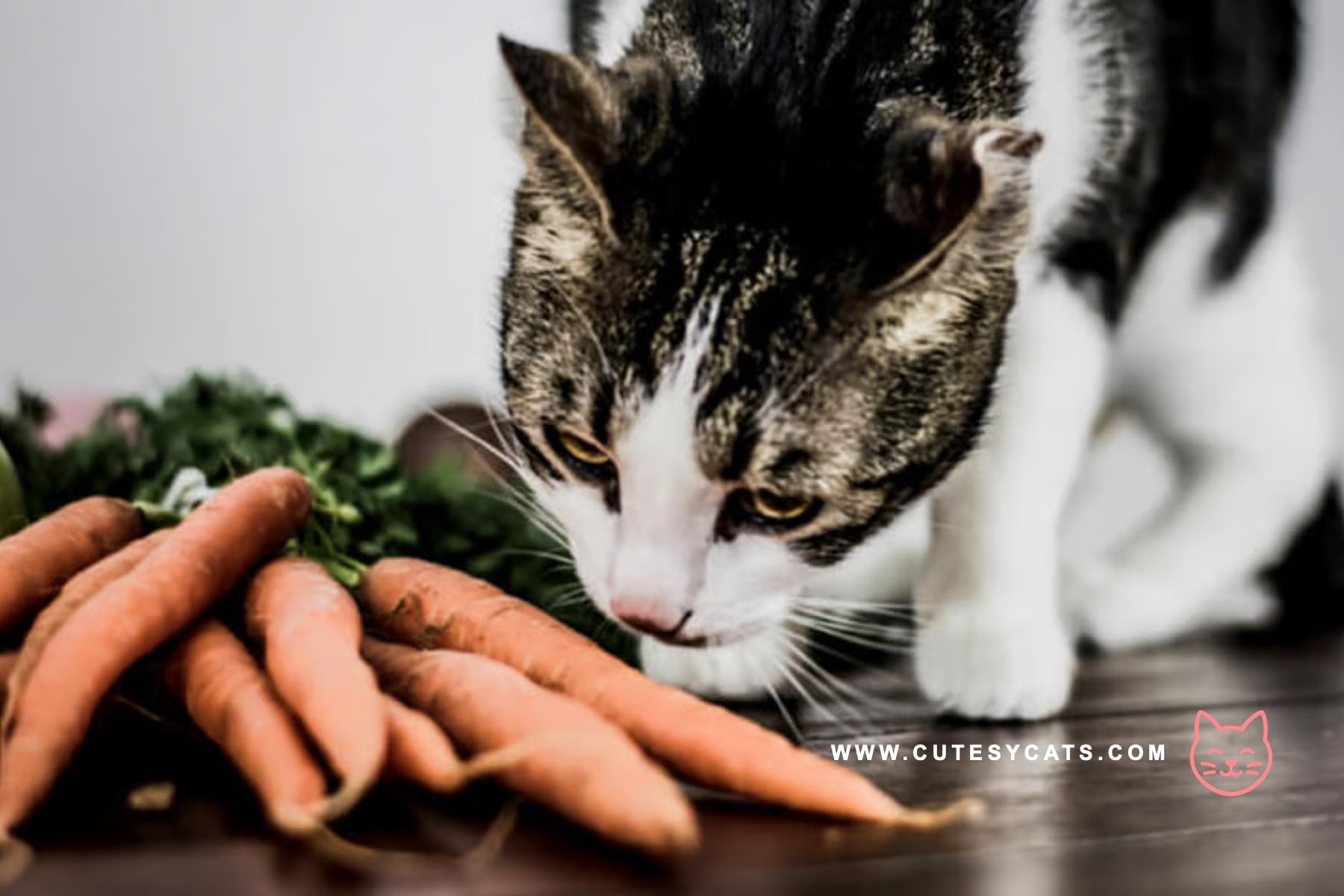
Small carrot pieces reduce choking risks significantly. Cutting into thin slices or cooking until soft makes the veggie gentler. This adjustment can help cats safely explore the new texture.
Even softening carrots does not remove all risk. Overfeeding can still overwhelm a cat's digestive system. Moderation is key when introducing any nontraditional food.
Some cats may simply refuse to eat carrots. Forced feeding can create stress or negative associations. Observing your cat's willingness is as important as preparation.
Cooking carrots lightly can improve digestibility and reduce risk. Steaming preserves nutrients while softening fibers. This method maintains carrot benefits while minimizing potential discomfort.
Ultimately, understanding both benefits and hazards allows responsible carrot feeding. Safe preparation and portion control ensure cats enjoy the veggie without unnecessary risks. This approach balances curiosity with caution.
Choosing Between Raw and Cooked Carrots for Your Cat's Health
Raw carrots provide a firm texture that can satisfy a cat's curiosity. Small pieces reduce choking risk and make chewing easier. Not all cats enjoy the crunch.
Cooked carrots are softer and gentler on a cat's stomach. Light steaming keeps most vitamins intact. Cats may digest these pieces more easily. Feeding small amounts helps monitor tolerance.
Raw carrots contain higher fiber, which can support digestion in moderation. Too much fiber at once may cause bloating or diarrhea. Cats often prefer small, manageable pieces. Offering variety encourages interest. Thin slices are safest.
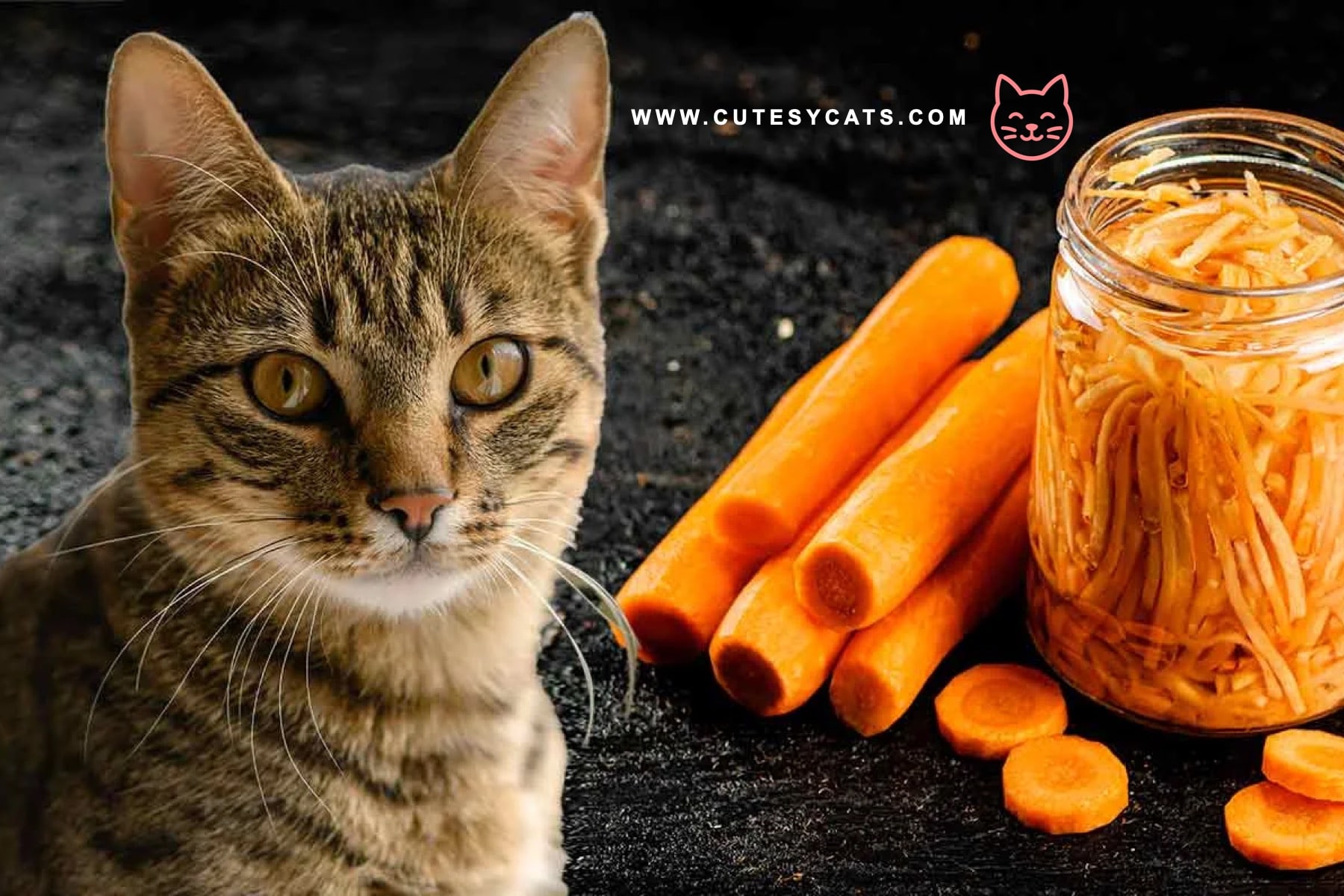
Cooking carrots reduces the harshness of fiber while softening nutrients slightly. This makes them more suitable for sensitive cats. Observing how each cat reacts is important. Preparing in different ways can prevent monotony.
Some cats tolerate raw carrots better, others prefer cooked textures. Portion size, preparation, and individual preferences all matter. Owners should introduce carrots gradually. Always supervise first feedings. Watch for any digestive upset.
Understanding the differences between raw and cooked carrots allows safe feeding. Each cat has unique needs and tastes. Portion, texture, and preparation method determine suitability. Feeding small amounts ensures safety. Variety keeps cats interested.
Safe Portions and Serving Tips for Feeding Carrots to Cats
Cats can enjoy carrots as occasional treats without risk if portions are controlled. Small, bite sized pieces are ideal for nibbling. Always monitor your cat's interest and tolerance.
Offering more than a few tiny pieces may overwhelm a cat's digestive system. Moderation is key to prevent stomach upset. Introduce carrots slowly to gauge tolerance. Adjust amounts according to your cat's response.
A single teaspoon of cooked carrot can be sufficient for most small cats. Larger cats may handle a bit more. Avoid feeding large quantities at once. Splitting treats across the day can help.
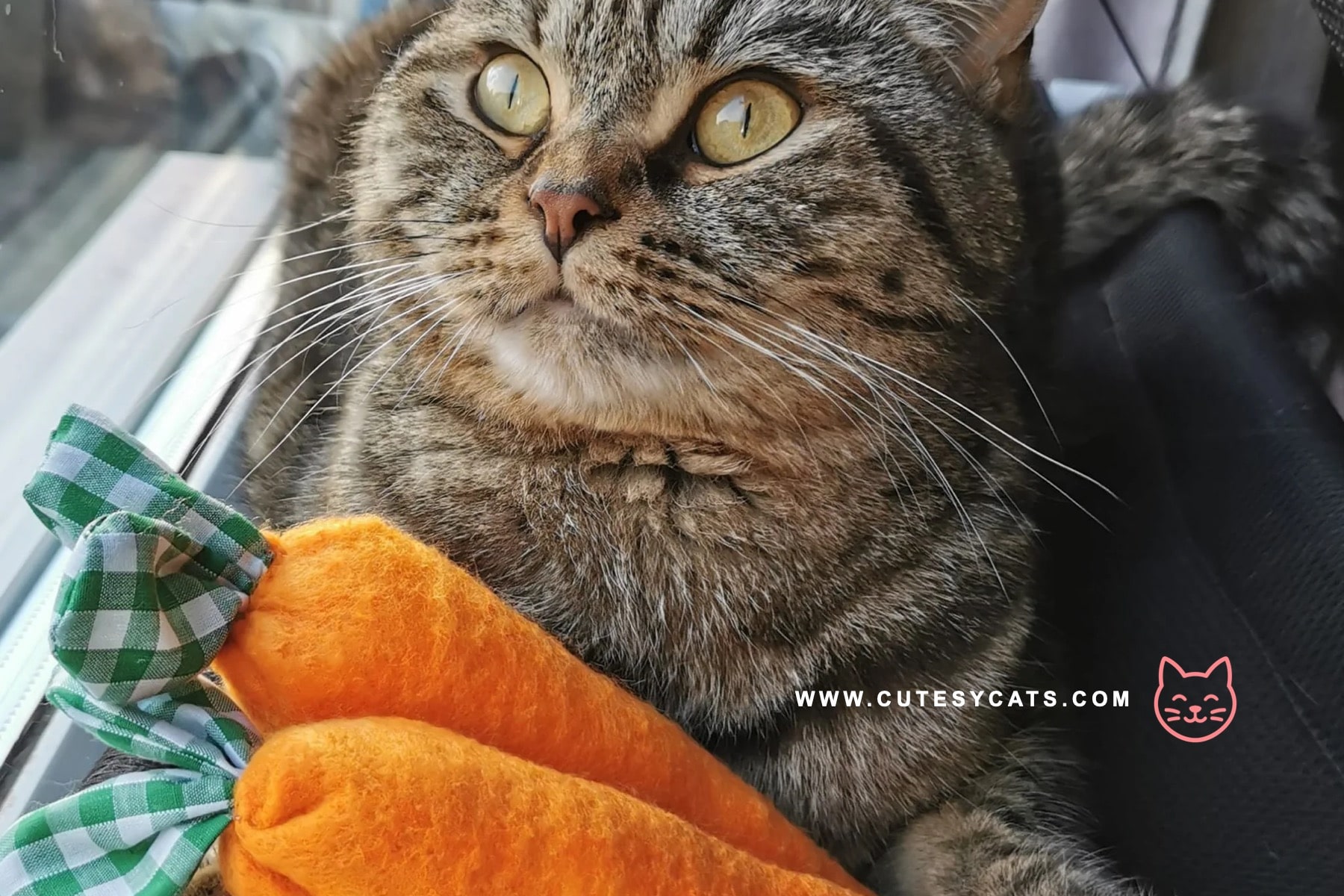
Raw carrots should be cut into thin slices or tiny cubes. Hard textures can be difficult for cats to chew. Supervising first feedings ensures safety. Cats often need encouragement to try new textures.
Frequency matters as much as portion size. Feeding carrots more than once or twice a week is unnecessary. Treats should never replace balanced meals. Variety in treats keeps cats interested. Always rotate small portions gradually.
Some cats may ignore carrots entirely while others may enjoy them eagerly. Watch your cat carefully to ensure safe consumption. Adjust frequency and portion size accordingly. Observe for any digestive reaction.
Keeping carrot portions small and feeding occasionally ensures a safe and enjoyable experience. Balance treats with regular meals. Proper preparation and observation guarantee health and interest. Rotate vegetables carefully to maintain variety.
Watching for Warning Signs That Carrots May Upset Your Cat
Cats may vomit shortly after eating carrots if their stomachs are sensitive. Mild vomiting could indicate intolerance. Observe carefully during the first few feedings.
Excessive gas or bloating is another sign your cat may struggle with carrots. These symptoms can appear hours after eating. Reduce portion size or stop feeding temporarily. Adjust gradually based on observation.
Some cats may refuse carrots entirely. Pushing them can create stress or anxiety. Respect your cat's preferences while monitoring for subtle digestive responses.
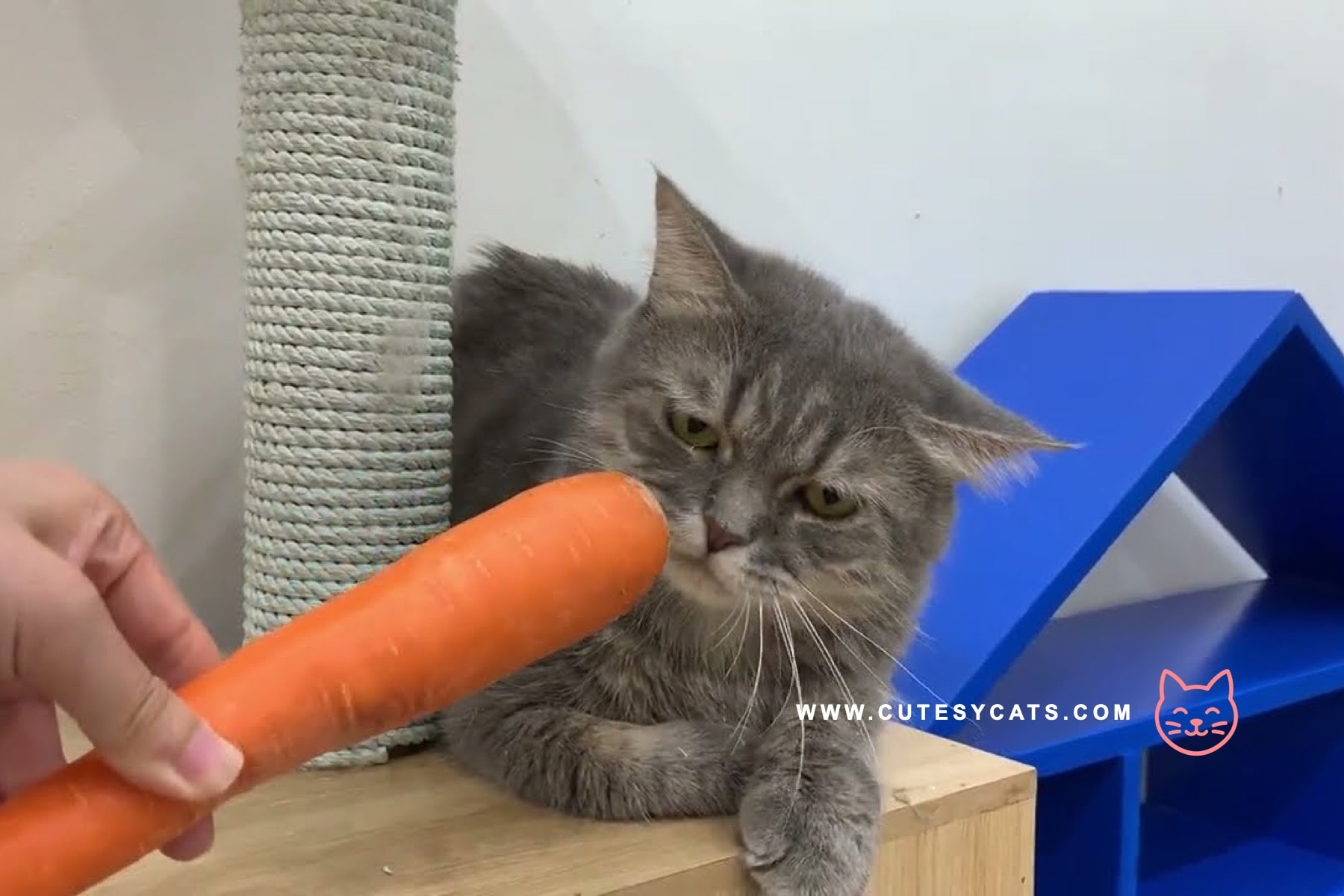
Diarrhea can develop if a cat consumes too many carrots at once. It usually resolves with fasting or reduced portions. Introduce vegetables slowly to prevent digestive upset. Track frequency and consistency of stools.
Behavioral changes such as lethargy or discomfort may appear after carrot consumption. Watch for changes in appetite or playfulness. Promptly remove carrots if symptoms persist. Monitor until normal behavior resumes.
Refusal to eat may not always be due to taste. Digestive discomfort could make your cat avoid future feedings. Ensure carrots are prepared safely and offered in small quantities. Observe for other signs of intolerance.
Monitoring reactions carefully ensures carrot treats remain safe and enjoyable. Adjust portions or frequency based on your cat's responses. Patience and observation prevent digestive problems and maintain interest.
Creative Treat Options to Replace Carrots for Fussy Cats
If your cat avoids carrots, try offering small pieces of steamed pumpkin. It is soft and easy to digest. Many cats enjoy the mild natural sweetness.
Sweet potato is another safe option for cats. Cut into tiny, cooked cubes before serving. Its texture is pleasant and gentle on sensitive stomachs. Add sparingly as an occasional treat.
Peas can provide a fun alternative for cats. They are small, soft, and full of fiber. Mash lightly or serve whole based on your cat's preference. Observe how your cat reacts.
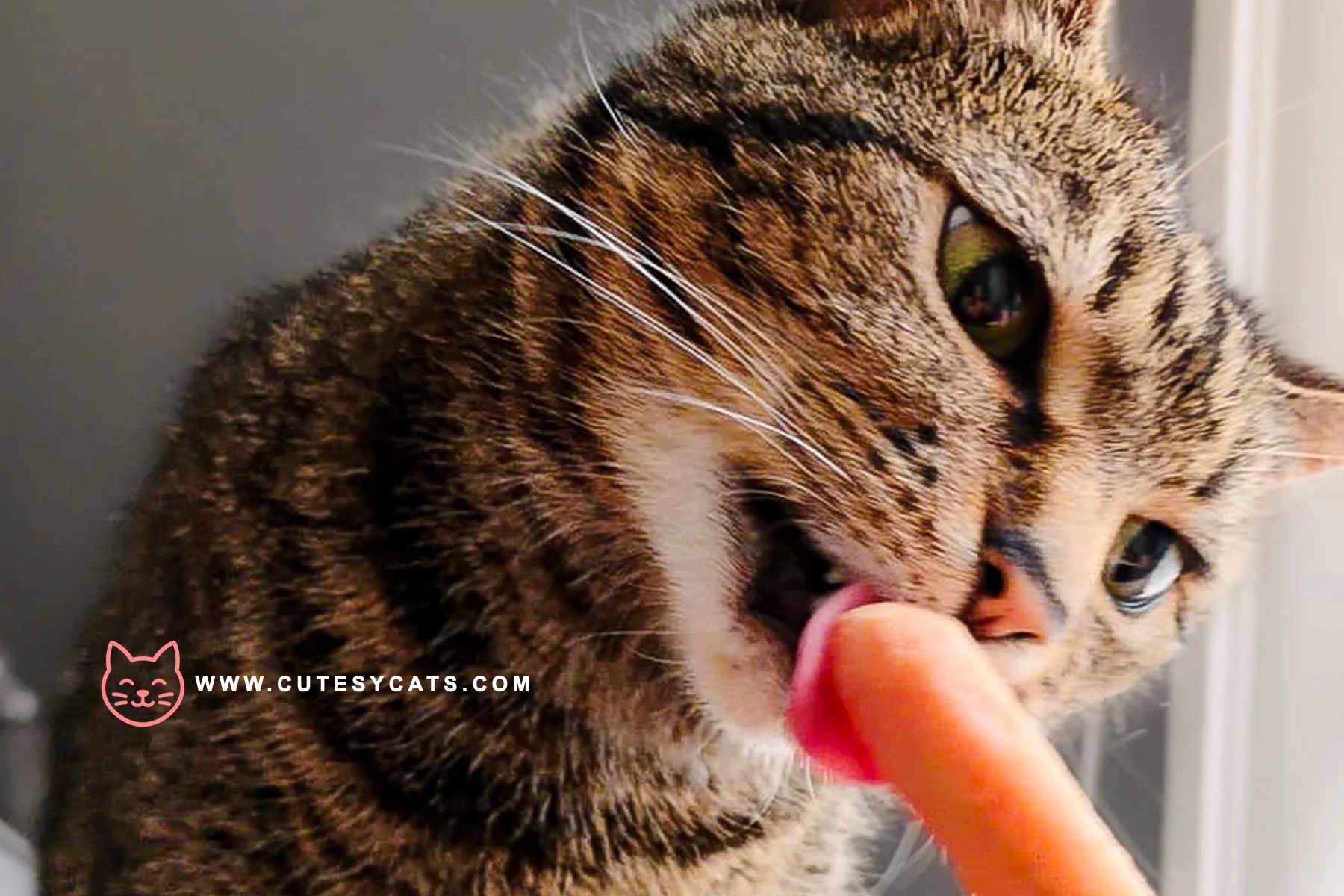
Cucumber slices can also satisfy the curiosity of cats. They offer crunch without digestive issues. Serve in small portions. Some cats prefer chilled pieces for a refreshing texture.
Zucchini is mild and easy to digest for many cats. Cut into bite sized portions and steam lightly. Its neutral flavor makes it acceptable for picky eaters. Feed occasionally to avoid overfeeding fiber.
Green beans may mimic the crunch of raw carrots safely. Cut into small pieces and lightly cook. Introduce gradually to monitor digestive response. They can be served as part of a mixed treat assortment.
Offering a variety of safe vegetables ensures your cat enjoys diverse textures and flavors. Rotate treats like pumpkin, sweet potato, and zucchini. Observation helps determine which options your cat prefers most.
Smart Ways to Keep Your Cat Healthy While Enjoying Treats
Balanced treat choices are essential for feline health. Always offer carrots or alternatives in moderation. Overfeeding can upset digestion and add unnecessary calories.
Rotate vegetables like pumpkin, zucchini, or peas with occasional carrot pieces. This variety keeps your cat interested and ensures a range of nutrients. Observe how your cat reacts to each new treat.
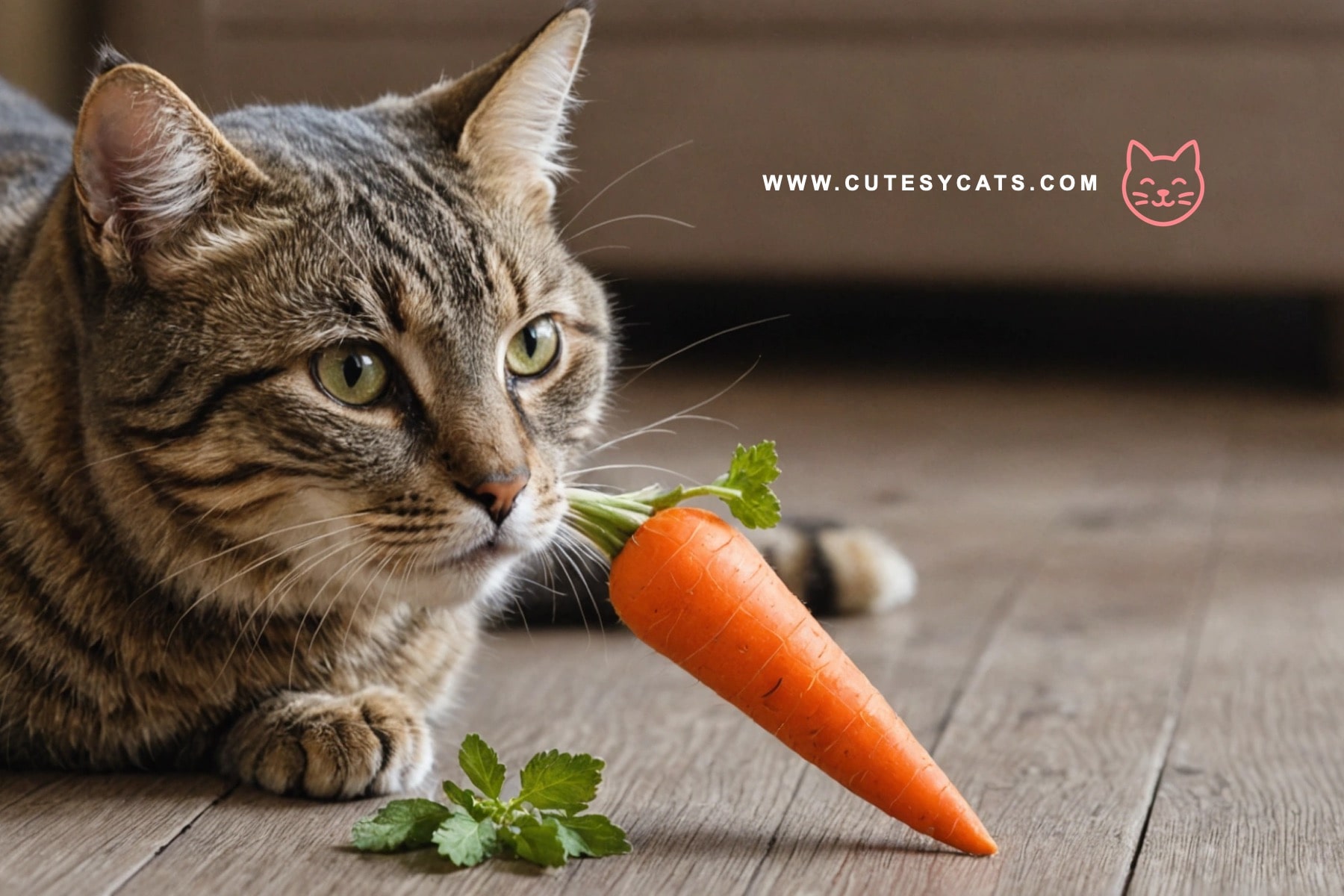
Monitor portion sizes carefully to prevent digestive issues. Tiny bite sized pieces are safest. Introduce new foods gradually to allow your cat's stomach to adjust comfortably.
Hydration is key when offering vegetable treats. Fresh water should always be available. Soft steamed vegetables can complement regular meals without replacing essential cat food.
Pay attention to your cat's preferences and tolerance. Some cats enjoy crunch, while others prefer soft textures. Adjust treats accordingly and keep overall diet balanced for long term wellness.