
When Natural Instincts Draw Cats Toward Tasty Chicken Aromas
Cats often show interest in chicken because their instincts guide them toward foods with rich scents and inviting textures. This interest feels natural for them due to their history as hunters. Their curiosity usually grows stronger when the aroma fills the room.
The scent of cooked or raw chicken can quickly capture a cat's attention because it resembles prey scents in the wild. Their strong senses help them detect appealing food from a distance. This reaction feels completely normal for animals driven by natural survival behaviors. Many cats simply follow their instincts when chicken appears nearby.
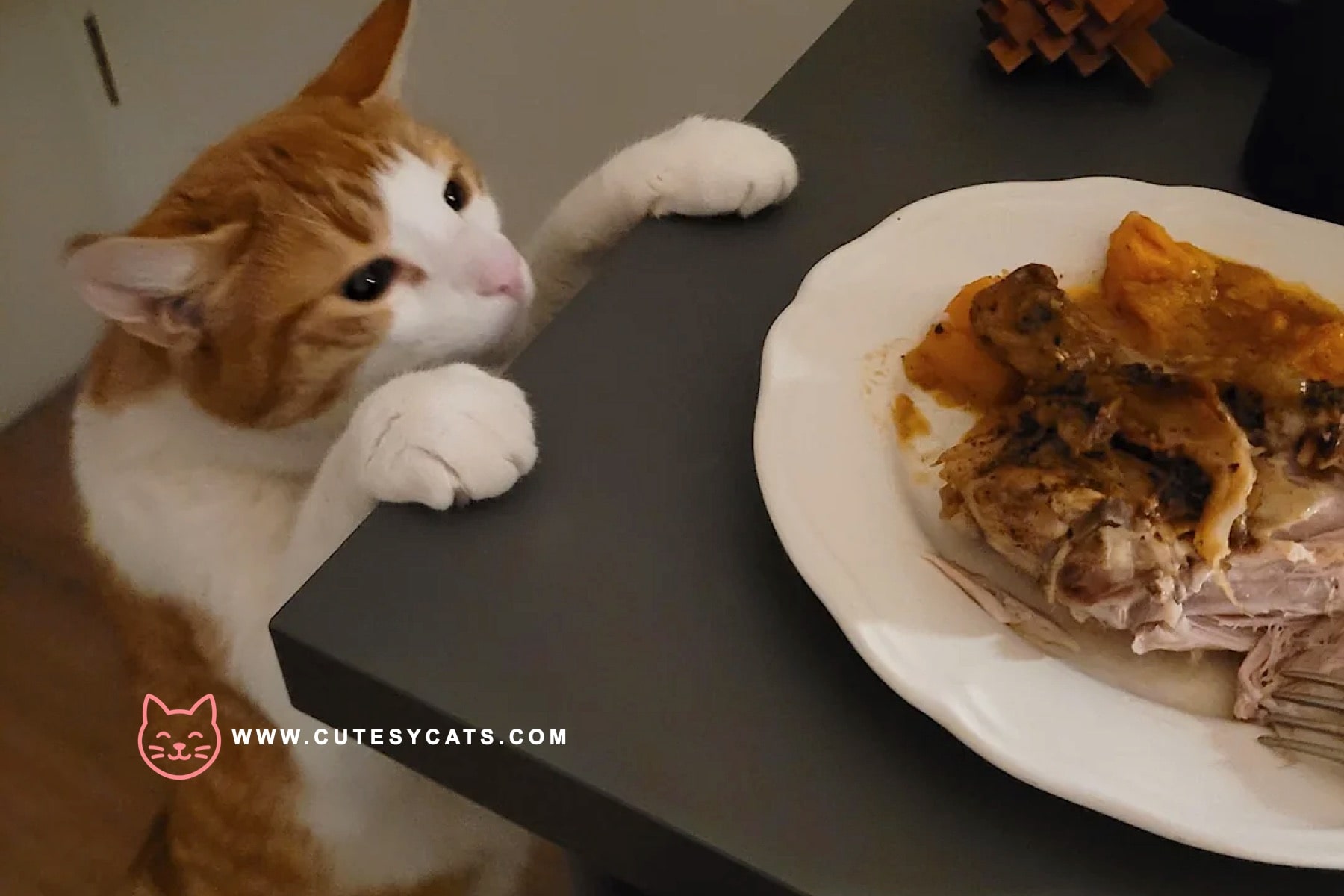
Their carnivorous nature also plays a role in this fascination because their bodies rely heavily on animal proteins. Chicken offers a texture that many cats find satisfying to chew and explore. This combination makes chicken feel like an exciting option for them to investigate.
Cats tend to be highly observant creatures who respond quickly to foods that seem familiar to their ancestors. Their instincts guide them toward warm and soft textures that mimic fresh prey. Chicken meets those expectations in a way that encourages interest during mealtime or treat time. This natural attraction helps us understand why many cats react strongly when chicken is present.
This pull toward chicken raises the question about safety for cats because curiosity alone does not guarantee that something is healthy. Understanding this instinctive appeal helps us explore whether chicken fits safely within a cat's diet. It also prepares us to examine how different forms of chicken may affect their overall well being.
Why Chicken Nourishes Feline Bodies With Natural Strength
Cats feel drawn to chicken partly because its protein supports their active bodies. This protein helps maintain their muscles and overall physical condition. Their natural instincts guide them toward foods that deliver this kind of strength.
Chicken offers amino acids that cats cannot produce on their own. These amino acids help support growth and repair inside their bodies. Cats rely on these nutrients to stay healthy throughout their lives.
Their biology depends heavily on high quality animal protein because their bodies use it efficiently. Chicken fits this need by offering a source that feels familiar and nourishing. This is one reason cats react so strongly to its taste and smell.
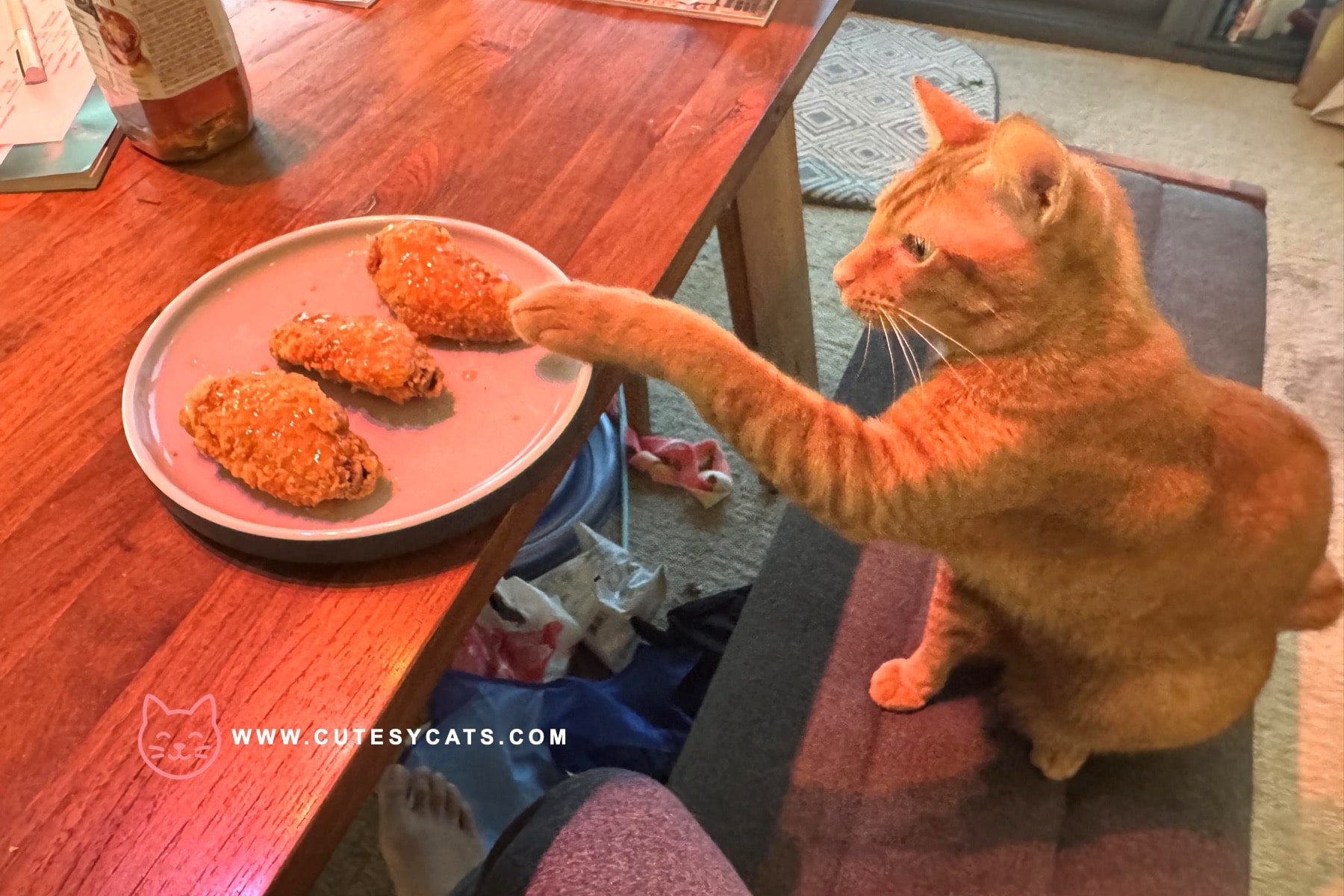
These nutrients also support their steady energy levels throughout the day. Cats burn energy in short bursts during play or exploration. Protein rich foods help fuel these moments while supporting calm periods that follow.
The natural fats in chicken also play a role in its appeal because they add flavor and support internal health. These fats help maintain healthy skin and coat conditions. Many cats enjoy the richer taste these fats provide.
The combination of protein and essential amino acids helps meet their biological demands. Cats thrive when their diets match their natural design. Chicken often provides these benefits without overwhelming their digestive systems.
This balance of nutrients makes chicken feel like an ideal match for feline needs. Their bodies respond well to the dense protein and supportive fats. This explains why many cats choose chicken among other available proteins.
Since their instincts guide them toward foods that match their biology, chicken continues to hold a strong place in their preferences. Understanding these nutritional reasons helps us decide how it may fit safely within their diet.
Why Raw Poultry Brings Risks That Many Owners Overlook
Transitioning from the appeal of cooked chicken, it is important to recognize how raw poultry presents dangers that are not always obvious. Raw chicken often carries harmful bacteria that can cause serious illness. These bacteria place both cats and humans at risk when handling uncooked meat.
Some strains found in raw poultry can lead to digestive trouble in cats. Their bodies are not fully protected from every pathogen present in raw meat. These threats can become more serious if the meat is prepared or stored improperly.
Parasites can also be present in raw chicken, adding another layer of danger. These parasites may enter a cat's system and affect their overall health. This makes raw chicken less reliable as a safe food option for household pets.
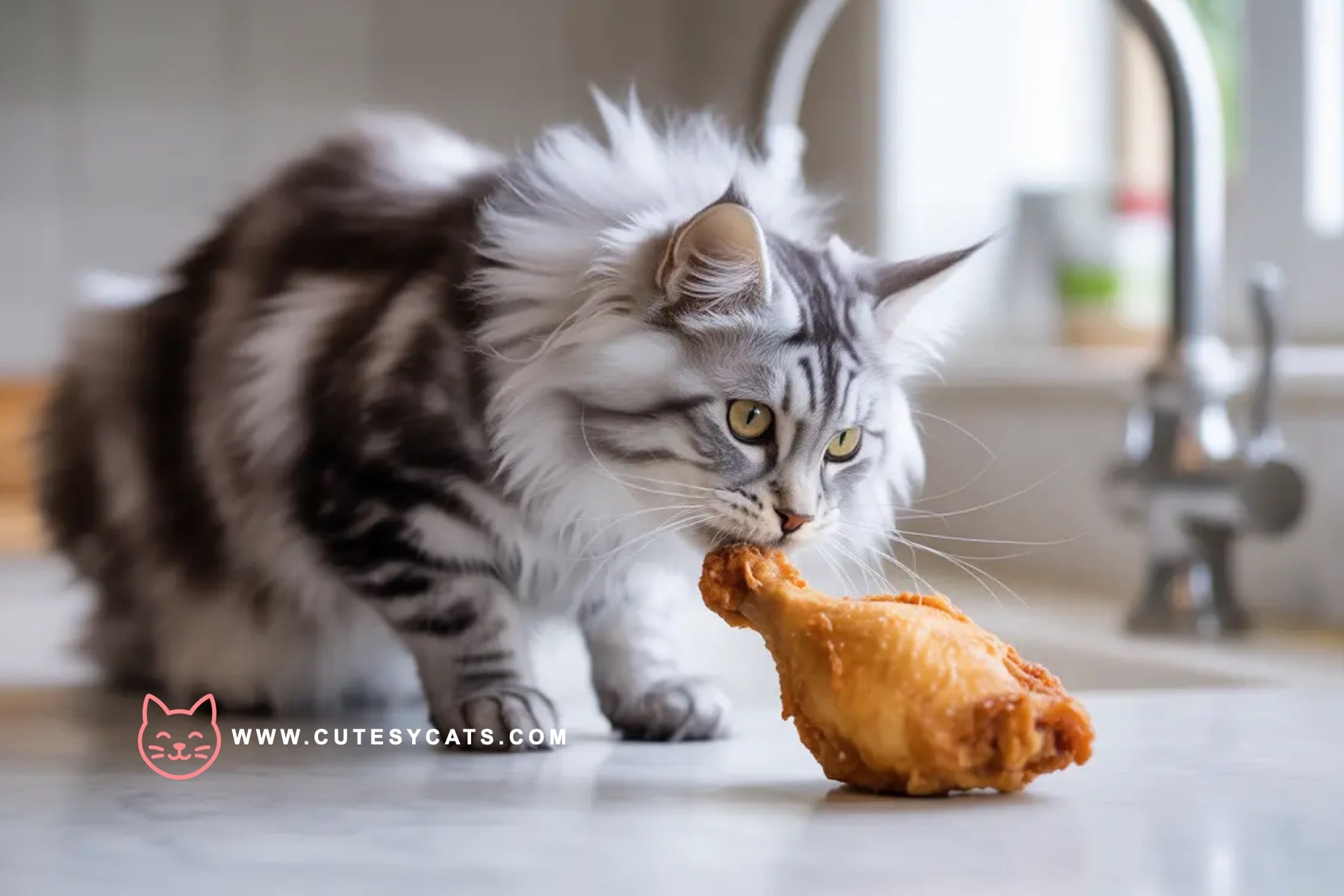
Cross contamination becomes a concern the moment raw chicken is handled. Surfaces touched by uncooked meat can transfer harmful microbes to other foods. This increases the chance of illness within the household.
Even careful preparation does not remove all possible risks. Some pathogens survive freezing or brief cleaning methods. These hidden threats make raw chicken unpredictable for safe feeding.
Cats with weaker immune systems may face more serious effects. Senior cats or kittens may struggle to fight off bacteria that healthy adults might handle better. This makes raw chicken especially risky for vulnerable pets.
Handling raw poultry demands strict hygiene practices at every step. Many homes cannot maintain this level of sanitation consistently. This makes raw feeding more hazardous than some owners expect.
Understanding these risks helps guide safer choices for a cat's diet. Knowing the dangers linked to raw chicken encourages more thoughtful decisions about how chicken should be served.
How Properly Cooked Chicken Can Be a Safe Meal for Cats
Moving from raw chicken concerns, cooked chicken offers a safer option while still providing protein that cats naturally crave. Cooking eliminates harmful bacteria that pose threats to feline health. Cats can enjoy cooked chicken with much lower risk when it is handled carefully.
Boiled or baked chicken without seasoning retains essential nutrients that cats need. These methods preserve protein and amino acids important for energy and muscle maintenance. Removing skin and fat makes the meat easier for cats to digest.
Overcooking can reduce certain nutrients, making the chicken less beneficial. Cats may not receive the full range of amino acids if the meat becomes overly dry. Lightly cooking ensures safety while maintaining nutritional value.
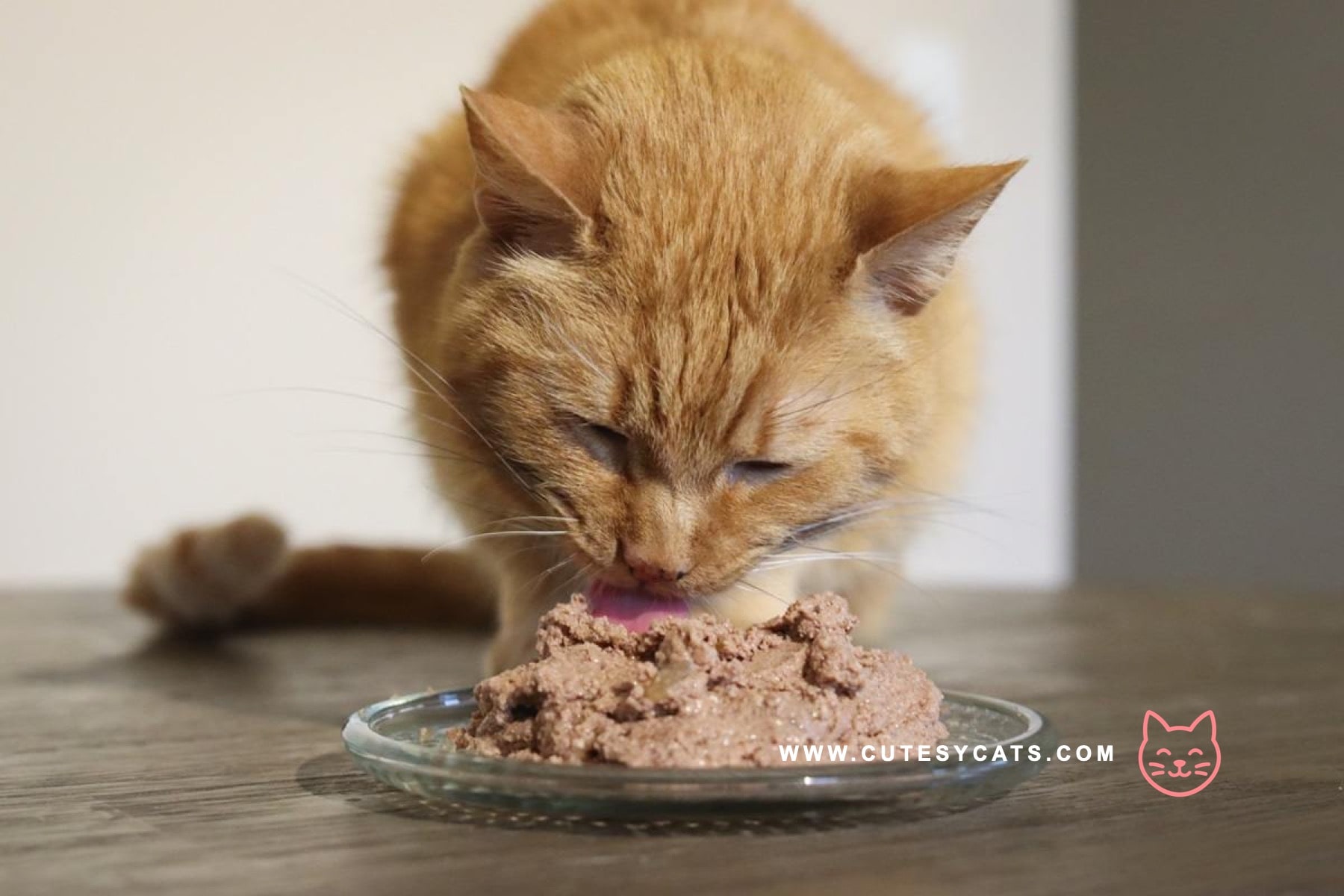
Avoid using oils, butter, or seasoning as they can upset a cat's digestive system. Ingredients like garlic or onion are toxic and must never be included. Simple, plain preparation is key for safe feeding.
Cutting chicken into small, manageable pieces helps prevent choking hazards. Cats can chew and swallow safely when the texture is appropriate. This is particularly important for kittens or older cats with dental issues.
Even cooked chicken should not replace a balanced diet with complete cat food. Chicken alone cannot supply all vitamins and minerals needed for long-term health. Treat it as a supplement rather than a staple.
Monitoring your cat's reaction after feeding cooked chicken is important. Some cats may develop sensitivities or digestive issues even with properly prepared meat. Observing behavior and stool consistency helps ensure safety.
Cooked chicken offers a reliable way to give your cat a protein-rich treat. Safe preparation allows enjoyment without the dangers associated with raw poultry. It bridges the gap between attraction and health-conscious feeding.
Why Chicken Bones Pose Serious Risks to Curious Cats
Bones in chicken can be extremely dangerous for cats, especially when cooked. Brittle bones can splinter easily, causing choking hazards and internal injuries. Even small fragments can puncture or damage the digestive tract if swallowed.
Raw bones are slightly softer but still carry risks for teeth and gums. Cats may try to chew them aggressively, leading to broken teeth or cuts inside the mouth. Supervision is essential if any bones are offered, though many experts recommend avoiding them entirely.
Swallowing bone fragments can lead to blockages in the intestines. This condition can be painful and may require urgent veterinary care. Symptoms such as vomiting, lethargy, or constipation indicate a serious problem that needs immediate attention.
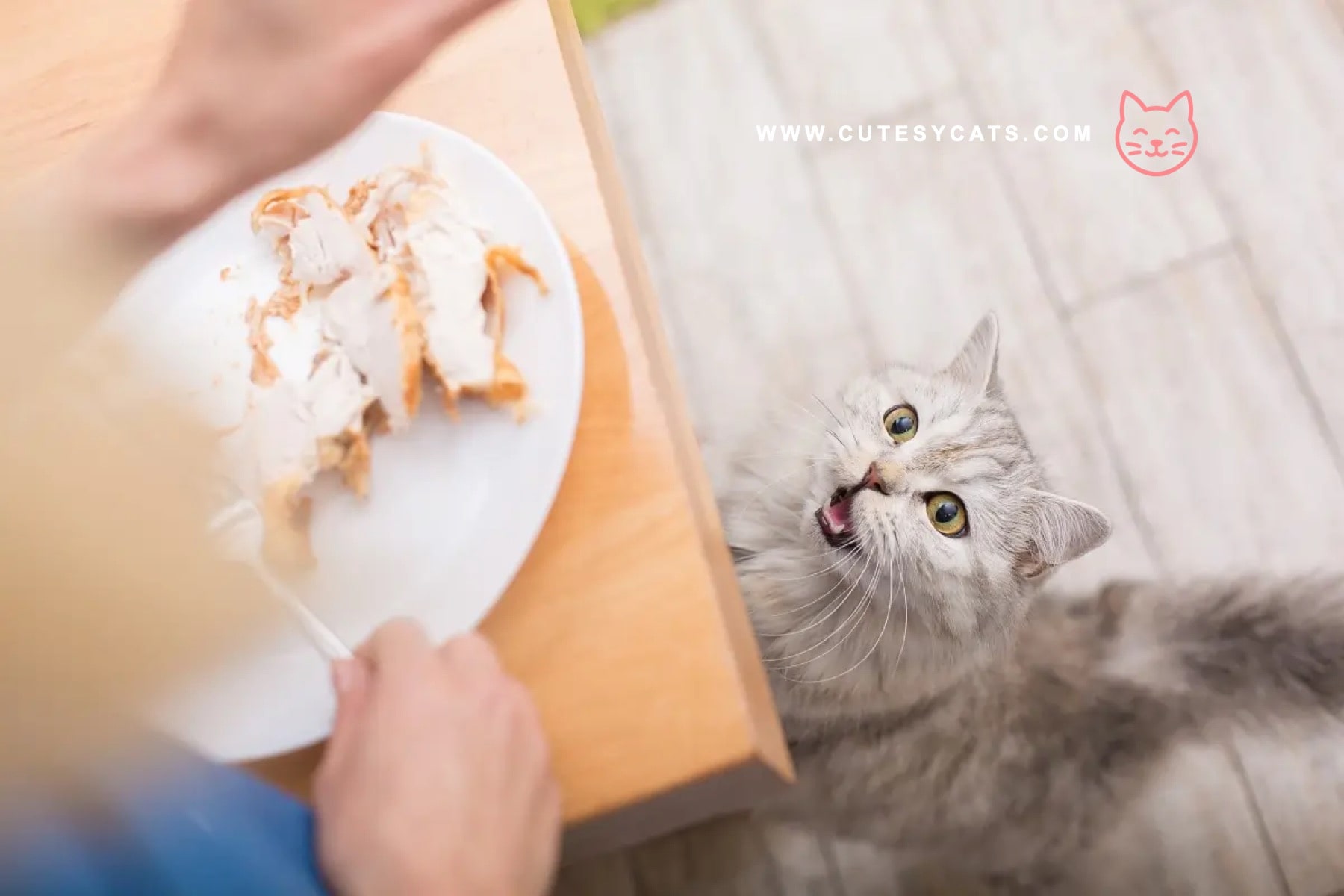
Cooked bones splinter more readily than raw ones and should never be given. Splinters can pierce the esophagus, stomach, or intestines, causing internal bleeding. These injuries are often life-threatening without prompt medical treatment.
Even small chicken bones can lodge in a cat's throat. Choking can occur suddenly and may prevent normal breathing. Quick action is necessary if a cat shows signs of distress after eating bones.
Dental damage is another concern when cats attempt to chew hard bones. Cracked teeth can lead to infections or chronic pain. Cats may need professional treatment to restore dental health after bone injuries.
Alternative safe options include specially designed chew treats or raw meaty bones that are large enough to prevent swallowing. These provide chewing satisfaction without the same level of risk. Careful selection ensures that treats support dental health safely.
Overall, feeding chicken bones is rarely worth the danger to your cat. Awareness of the risks and choosing safer alternatives protects both their digestive system and teeth. Preventing bone-related injuries keeps your cat healthy and stress-free.
Why Seasoned Chicken Can Upset Your Cat's Sensitive Stomach
Seasoning added to chicken can be harmful for cats because their digestive systems are sensitive. Ingredients such as garlic, onion, and certain herbs may be toxic. Even small amounts can cause vomiting or diarrhea in some cats.
Oils and fats used in cooking can also upset a feline stomach. Rich or heavily spiced chicken often leads to digestive discomfort. Cats may experience bloating, gas, or loose stools after eating seasoned meat.
Salt is another common concern, as excessive sodium can affect a cat's health. High salt intake may lead to dehydration or strain on the kidneys. Cats are naturally adapted to low-sodium diets, so moderation is critical.
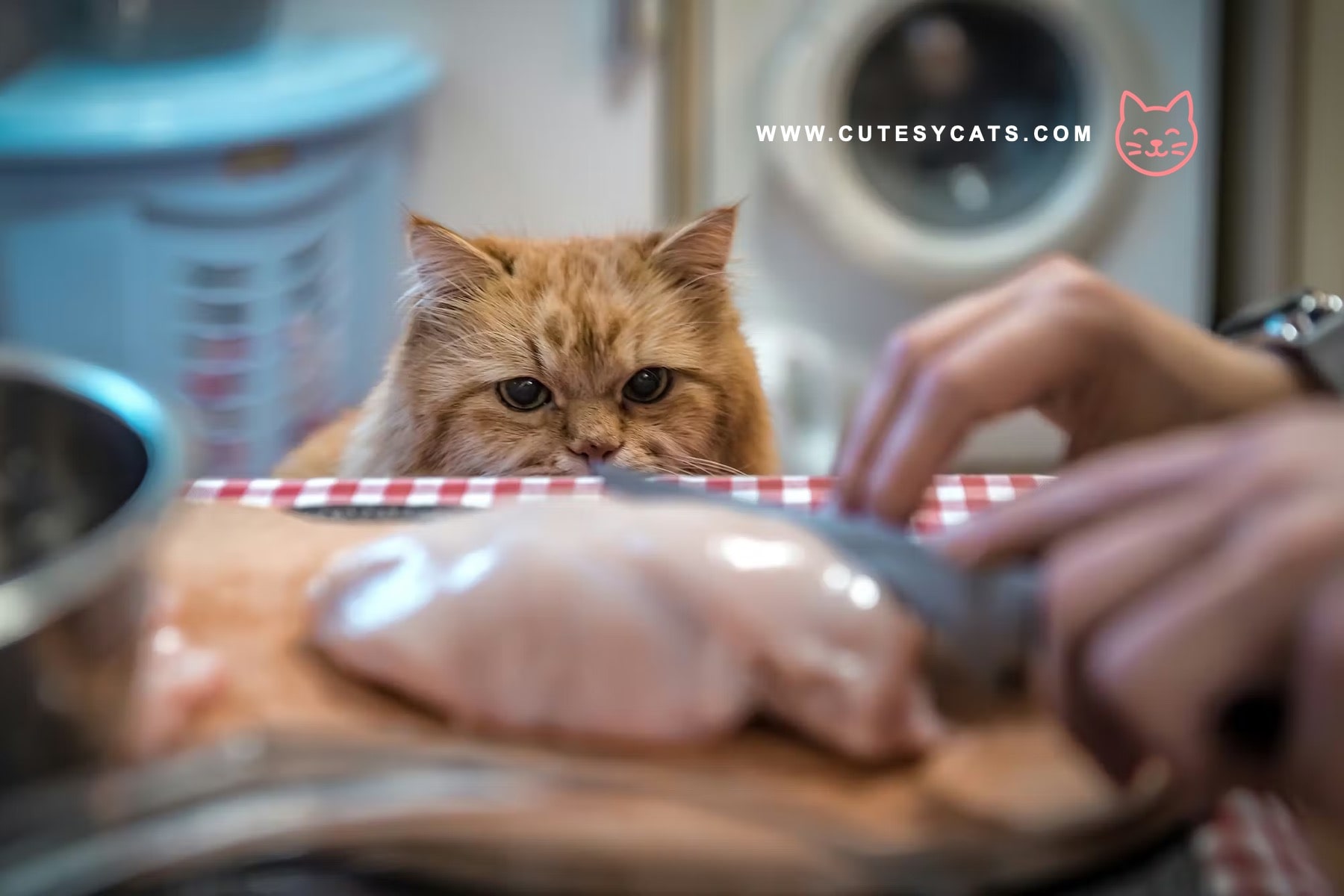
Some pre-made seasonings contain preservatives or artificial flavors that cats should avoid. These additives can irritate the gastrointestinal tract and cause long-term issues. Reading labels carefully ensures your cat avoids hidden risks.
Even small tastes of seasoned chicken can trigger digestive problems in sensitive cats. Owners should avoid giving leftovers that are heavily flavored. Safe, plain cooked chicken is preferable for occasional treats.
Choosing unseasoned, plain chicken supports digestion and overall health. It allows your cat to enjoy protein without risking gastrointestinal upset. Transitioning from seasoned to plain meat helps prevent stomach issues while maintaining flavor appeal.
How to Keep Chicken Safe and Tempting for Your Cat
Ensuring chicken is safe for cats begins with selecting fresh meat and avoiding any spoiled or old pieces that could cause illness. Cooking the chicken thoroughly eliminates bacteria that may be present in raw meat and protects your cat from harmful pathogens. Always handle raw and cooked chicken separately to prevent cross contamination and maintain a hygienic preparation area.
Portion control is crucial when feeding chicken to your cat since too much protein at once can upset their digestive system. Cutting the chicken into small, manageable pieces helps prevent choking hazards and makes it easier for your cat to chew. Moderation ensures that chicken supplements their regular diet without replacing essential nutrients from balanced cat food.
Boiling or baking chicken without seasoning is the safest method for feline consumption, as added herbs, oils, or salts can be harmful. Avoid frying chicken since high-fat content can lead to digestive upset and long-term health issues for cats. These simple cooking methods preserve the natural flavors while keeping the meat safe and nutritious.
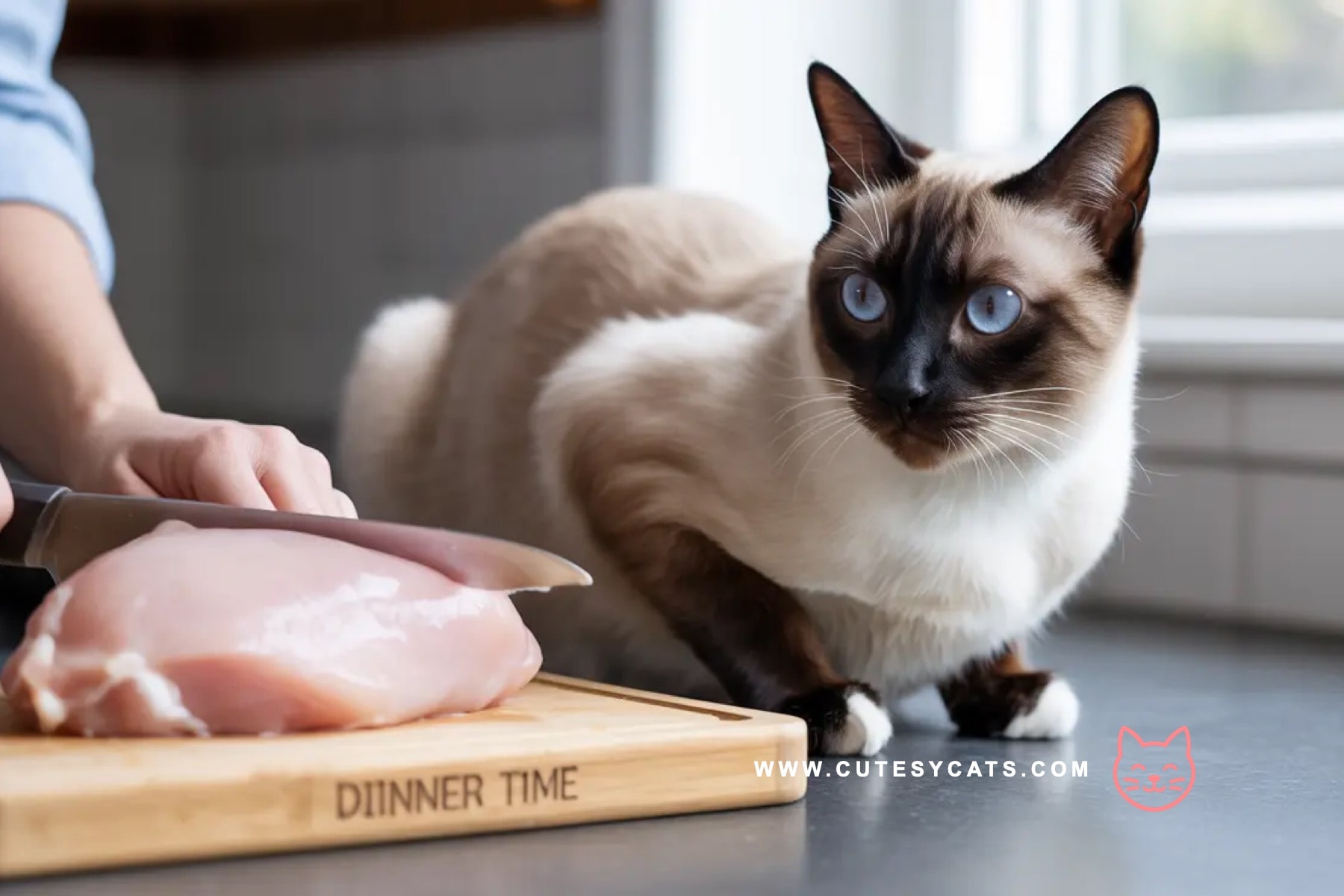
After cooking, allow the chicken to cool completely before offering it to your cat to prevent burns or discomfort. Cats often prefer slightly warm or room temperature meat, which encourages them to eat without risking injury. Handling cooked chicken with clean utensils and serving dishes minimizes bacterial growth and maintains food safety.
Offering chicken occasionally can be a healthy treat if integrated properly into your cat's regular feeding schedule. Rotate chicken with other safe proteins to provide variety and avoid overreliance on a single source of nutrition. Always monitor your cat's reaction to new foods and consult a veterinarian if any digestive issues occur.
Freezing extra portions is a practical strategy for preserving chicken and avoiding waste while keeping it safe for later use. Make sure to thaw the meat in the refrigerator or under cold running water instead of leaving it at room temperature. This precaution reduces the risk of bacterial growth and maintains the chicken's quality for feline consumption.
Always remember that cleanliness during preparation is just as important as proper cooking, portioning, and storage. Regularly sanitize cutting boards, knives, and surfaces to prevent contamination between raw and cooked foods. Following these steps ensures that your cat enjoys chicken safely without unnecessary health risks.
Finding the Right Balance When Feeding Chicken to Your Cat
Chicken can be a delightful treat for cats when given in controlled amounts to prevent overfeeding and nutritional imbalance. Offering too much protein at once can overwhelm a cat's digestive system and may cause stomach upset or diarrhea. Moderation ensures that chicken supplements their regular diet without replacing complete cat food that provides essential nutrients.
A small portion, roughly one to two tablespoons for a standard adult cat, is sufficient for occasional treats and rewards. Adjust portions based on your cat's size, age, activity level, and overall health to avoid overfeeding and weight gain. Consistent portion monitoring helps maintain healthy digestion and prevents accidental nutrient excess.
Cats thrive on a diet primarily composed of high-quality commercial cat food that is formulated to meet all their dietary needs. Chicken should never replace this core diet because it lacks certain vitamins and minerals that cats require for long-term health. Treats like chicken are meant to enhance their meals and provide occasional variety.
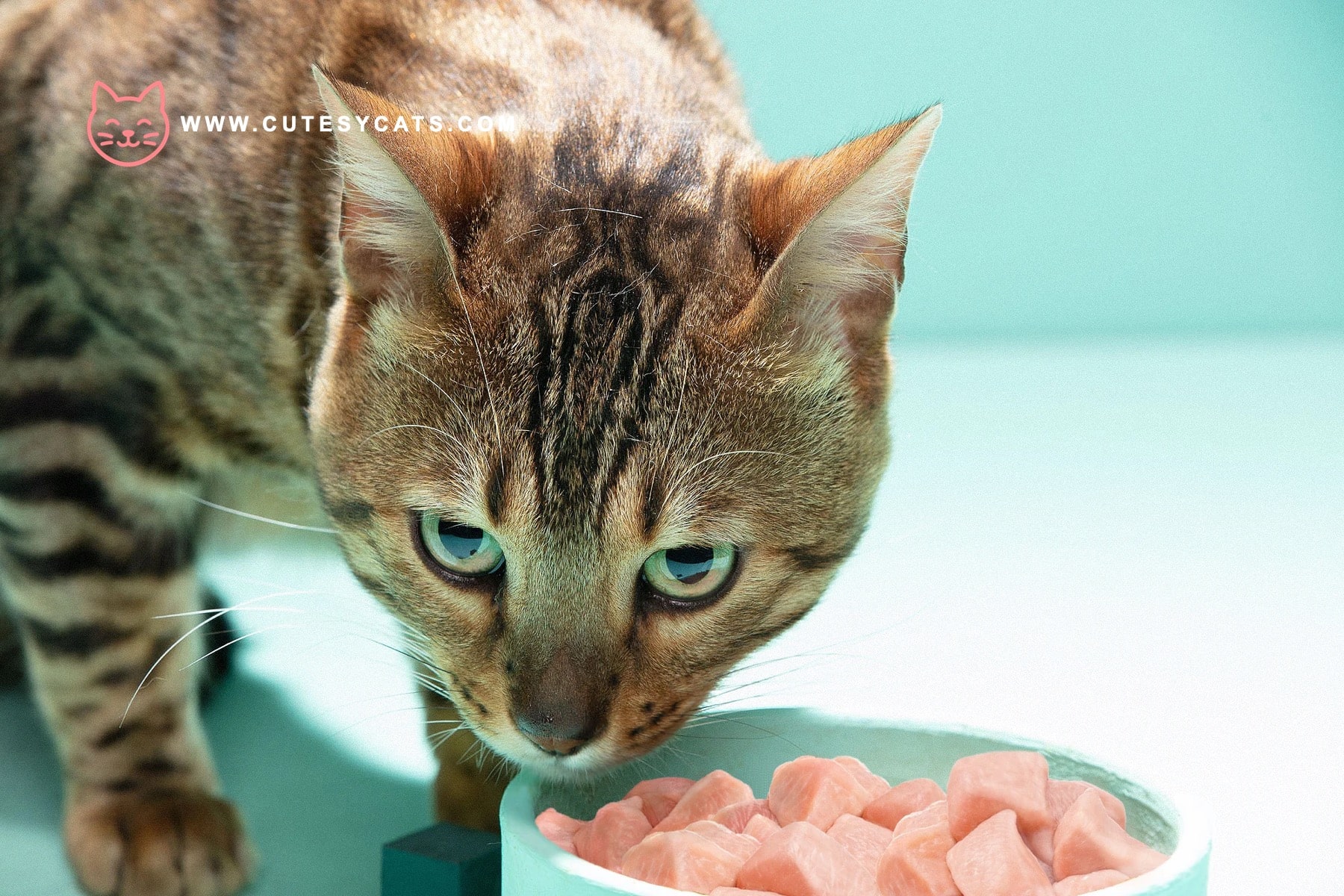
Introducing chicken gradually allows you to observe how your cat responds and helps prevent sudden digestive issues. Some cats may tolerate chicken better than others depending on individual sensitivities or prior dietary habits. Monitoring their reaction ensures that you can continue offering it safely over time.
Raw or cooked chicken must always be portioned carefully, with attention to size and texture to prevent choking hazards. Small, manageable pieces are safest and help cats chew thoroughly, reducing the risk of accidents while eating. Always supervise your cat when giving new treats to ensure safety and comfort.
Frequency of offering chicken should be limited to a few times per week at most, maintaining the treat status rather than a staple diet. Overfeeding can lead to nutritional imbalances and might reduce interest in their regular cat food. Controlled frequency supports a balanced diet while keeping treats exciting and enjoyable.
For kittens or senior cats, consult your veterinarian to determine safe portion sizes because their dietary requirements differ from adult cats. Their developing or aging digestive systems may require smaller amounts or different preparation methods to prevent health complications. Proper guidance ensures they enjoy chicken safely without harming their overall nutrition.
Combining chicken treats with other safe protein sources like fish or turkey can provide variety without overwhelming your cat's system. Variety encourages appetite and prevents boredom while ensuring a more balanced intake of amino acids. Always prioritize high-quality cat food as the foundation of your cat's nutrition.
Recognizing Early Warning Signs When Your Cat Eats Chicken
Cats may show early signs of intolerance to chicken through symptoms like vomiting or loose stool shortly after consuming it. Monitoring these reactions helps prevent more serious digestive issues from developing over time. Promptly identifying unusual behavior ensures you can adjust their diet safely.
Itching, redness, or excessive grooming can indicate a sensitivity to proteins or additives present in chicken treats. These skin reactions may appear within hours or after repeated exposure. Observing your cat's skin and coat condition provides clues about potential allergies or intolerances.
A sudden refusal to eat chicken or other previously enjoyed foods may signal discomfort or digestive upset. Cats often hide signs of illness, so changes in eating behavior are important to note. Recording when and how often these refusals occur can help identify patterns of sensitivity.
Digestive disturbances like diarrhea may be mild at first but can become more severe if chicken continues to be offered. Maintaining a food diary that tracks chicken intake and resulting symptoms is beneficial. Early intervention can prevent dehydration or nutrient imbalance in sensitive cats.
Some cats may develop bloating or mild stomach discomfort after consuming chicken, particularly if the portions are large or fatty. Observing how quickly your cat recovers from each serving helps determine safe portion sizes. Adjusting frequency or preparation method can reduce the risk of recurring symptoms.
Behavioral changes such as lethargy or irritability may accompany physical reactions to chicken. Cats experiencing discomfort may avoid play or seek more solitude than usual. Being attentive to subtle behavioral shifts is crucial for detecting food-related issues early.
Repeated exposure to chicken that triggers any of these symptoms should lead to removing it from the diet temporarily. Introducing alternative protein treats can provide variety without causing adverse reactions. Always monitor your cat's health closely when making dietary changes.
Consulting a veterinarian is essential if symptoms persist or worsen, as professional guidance ensures safety and proper nutrition. A veterinarian can recommend suitable diets or perform allergy testing to identify specific triggers. Prioritizing your cat's well-being helps maintain both enjoyment and health when offering chicken treats.
Creating a Balanced Approach to Treats That Supports Cat Health
Providing treats like chicken can be enjoyable for your cat when offered in moderation and balanced with their regular diet. Portion control is crucial to prevent overfeeding and maintain a healthy weight. Observing how your cat reacts to new treats helps ensure they remain safe and digestible.
Pairing treats with nutritionally complete meals helps maintain energy and supports overall feline wellness. Avoiding seasoned or heavily processed options reduces the risk of digestive upset and long-term health issues. Cats thrive on consistency, so introducing new treats gradually is always recommended.
Scheduling treat times rather than offering them freely encourages healthier eating habits and helps your cat appreciate each reward. Treats should supplement rather than replace essential nutrients provided by their main meals. Monitoring frequency ensures your cat enjoys variety without compromising daily dietary balance.
Choosing safe, plain protein sources and limiting portions reduces the likelihood of allergies or intolerance. Paying attention to both physical and behavioral reactions can guide safer treat selections. Ensuring cleanliness and proper storage prevents bacterial contamination and preserves freshness.
Maintaining a mindful approach to treat giving strengthens your bond while keeping your cat healthy and active. Balanced feeding habits and careful observation help prevent digestive issues and overeating. Encouraging positive feeding experiences fosters both enjoyment and long-term well-being for your feline companion.