
The Surprising Truth About Cats and the Milk Myth
Many cat owners picture a cat lapping up a bowl of milk happily. This image is common in media and culture. It often leads owners to offer milk without thinking. Understanding the reality is important for your cat's health.
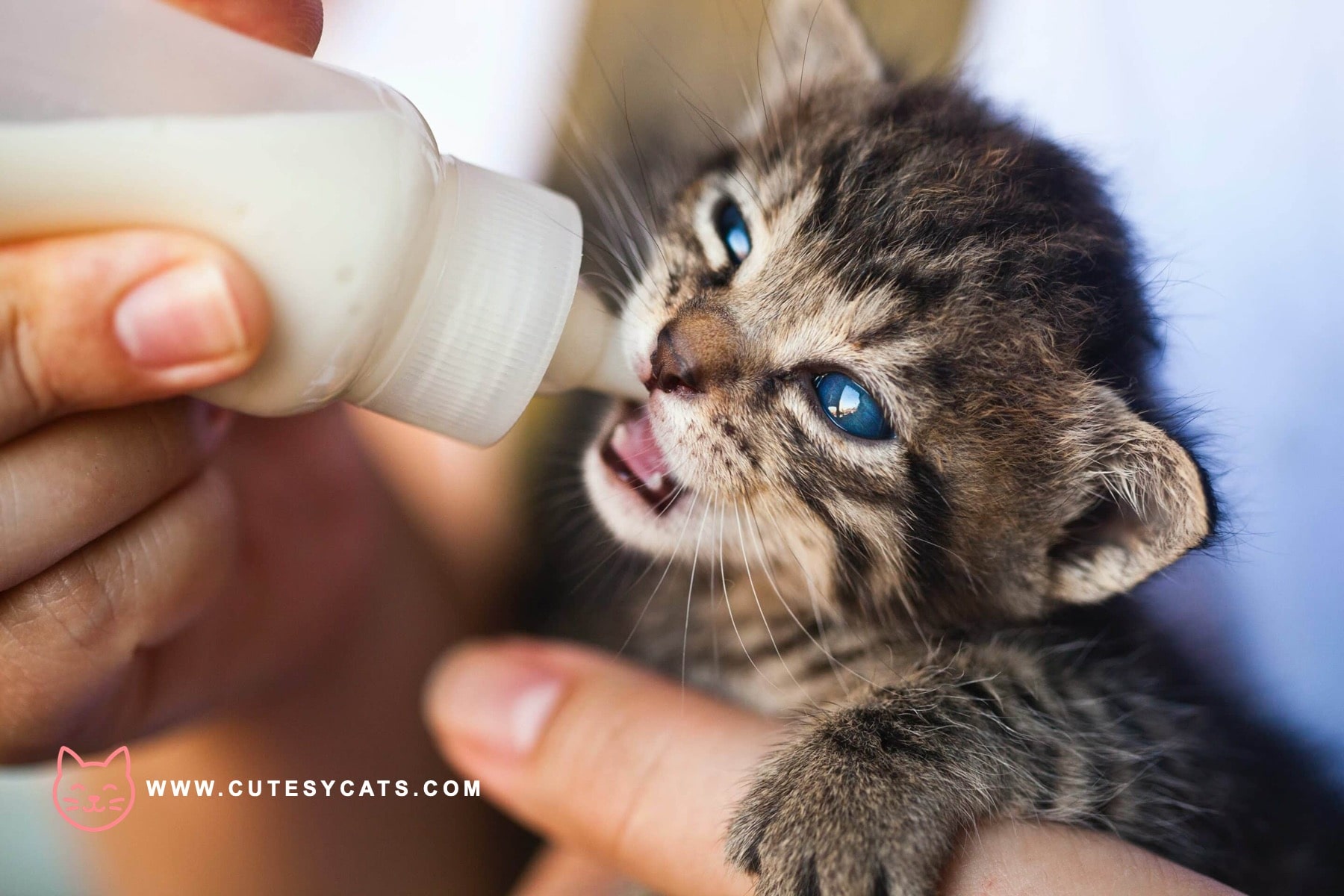
Kittens naturally drink their mother's milk, which is easier for them to digest. Adult cats, however, lose the enzyme needed to process lactose. This makes cow's milk a potential problem. Owners often do not realize this digestive change occurs.
Milk has long been linked to cats in cartoons and advertisements. This reinforces the idea that milk is safe and desirable. It can be tempting to give milk as a treat. Many people assume all cats can enjoy it without harm.
Despite the common belief, not all cats tolerate milk well. Some may experience digestive upset after even small amounts. Understanding why helps owners make safer choices. Avoiding misconceptions prevents unnecessary health issues for your cat.
Learning the truth about milk and cats allows better care. It encourages offering safe alternatives for hydration and nutrition. Awareness reduces the risk of stomach upset and other problems. Knowledge empowers owners to make informed feeding decisions.
Inside the Feline Digestive System and Why Milk Can Hurt
Cats have a digestive system designed for high protein and low carbohydrate intake. Their bodies produce limited amounts of the enzyme lactase. Lactase is needed to break down lactose found in milk. Without enough of it, digestion becomes challenging and uncomfortable.
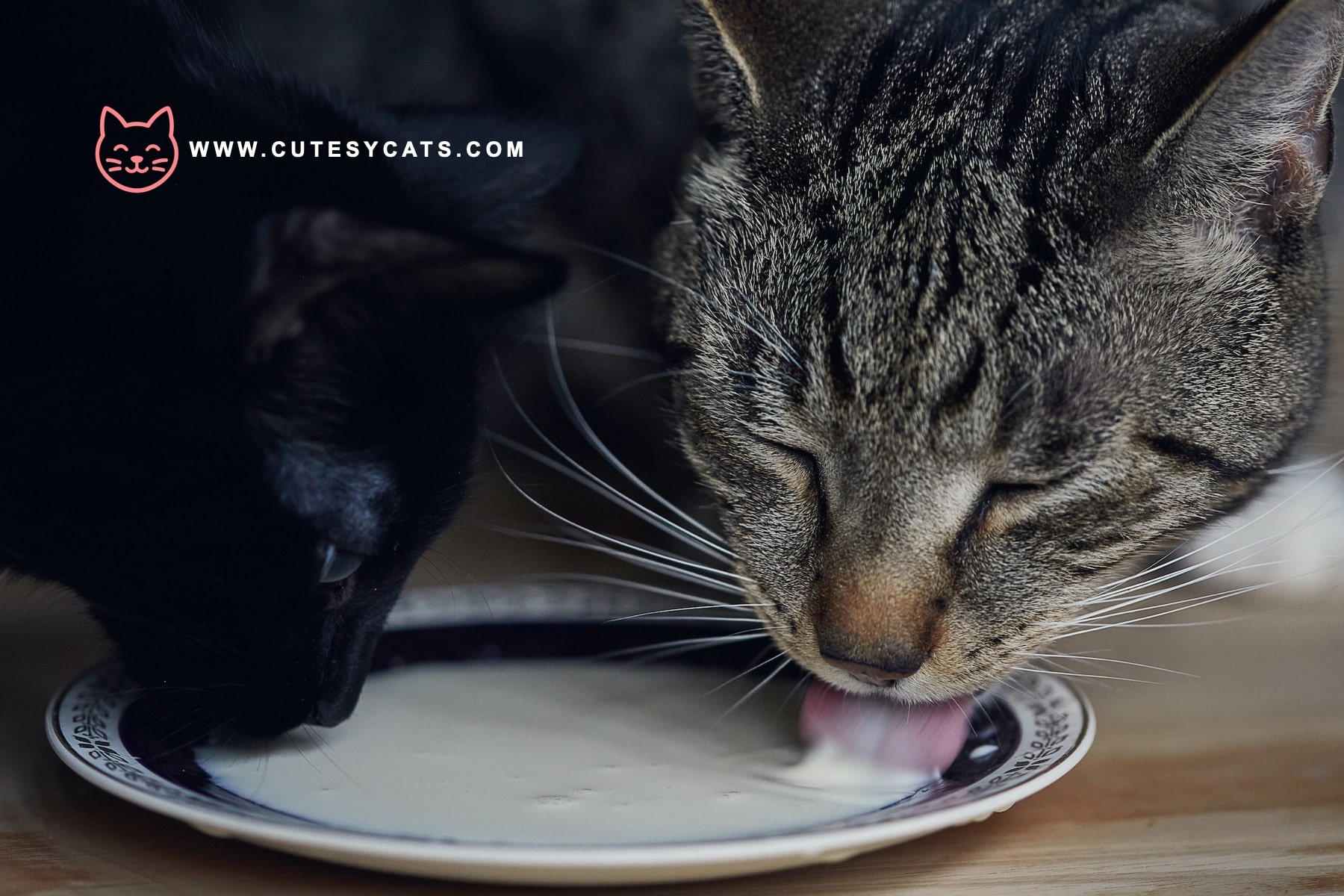
Kittens digest their mother's milk easily because they produce high lactase levels naturally. As cats mature, lactase production declines significantly. This makes cow's milk hard to process for adult cats. Digestive issues can appear even after small amounts of milk.
When lactose reaches the intestines undigested, it ferments. Fermentation produces gas, bloating, and sometimes diarrhea. Cats may show discomfort or refuse further milk. The symptoms can be alarming for owners who are unaware of the cause.
Some cats may tolerate milk better than others. Individual differences in lactase production exist but are limited. Even small amounts can be risky for sensitive cats. Observation is crucial to prevent gastrointestinal distress.
Cow's milk also contains sugars that are unnecessary for adult cats. Excess sugar can contribute to weight gain and digestive upset. Cats do not require milk to meet nutritional needs. Hydration is better achieved through water or wet cat food.
Cats' short digestive tracts and rapid metabolism make them sensitive to dietary changes. Introducing milk suddenly can exacerbate problems. Gradual dietary changes help prevent stomach upset. Awareness of their digestive limits is key.
Lactose intolerance can sometimes be mistaken for other health issues. Vomiting or diarrhea may lead to unnecessary veterinary visits if milk consumption is not considered. Monitoring diet carefully helps identify triggers. This knowledge supports better long-term health care.
Understanding feline digestion emphasizes the importance of safe feeding practices. Avoiding milk reduces the risk of discomfort and digestive upset. Offering water and cat-safe treats ensures proper hydration and nutrition. Healthy digestion is vital for overall feline well-being.
How Lactose Intolerance Shows Up in Cats of All Ages
Lactose intolerance occurs when cats cannot properly digest the sugar lactose. It results from insufficient levels of the enzyme lactase. Without lactase, lactose passes into the intestines undigested. This triggers fermentation, gas, and diarrhea in affected cats.
Kittens are naturally equipped to digest their mother's milk. Their lactase levels are high, allowing them to process lactose efficiently. As cats grow, lactase production declines significantly. Adult cats are more likely to experience digestive discomfort from milk.
Some adult cats may tolerate small amounts of milk without obvious symptoms. However, tolerance varies among individuals. Even minor amounts can still cause subtle gastrointestinal upset. Observing a cat's reaction is essential for safe feeding.
Lactose intolerance can appear suddenly or gradually in older cats. Digestive reactions may include vomiting, bloating, or loose stools. Repeated exposure to milk can worsen symptoms over time. Preventing lactose intake helps maintain overall digestive health.
Young cats weaned too early may face temporary digestive challenges. Their systems are still adjusting to solid food and lower lactase production. Offering milk at this stage can aggravate discomfort. Safe alternatives like water or wet food are preferred.
Senior cats often develop reduced lactase production naturally. Age-related digestive sensitivity increases the risk of lactose intolerance. Even a small serving of milk may lead to diarrhea or gas. Monitoring their diet carefully is important for comfort.
Symptoms of lactose intolerance can sometimes mimic other digestive disorders. Observing diet triggers helps differentiate the cause of discomfort. Avoiding milk can prevent unnecessary health concerns. Clear understanding of tolerance ensures safer feeding practices.
Recognizing lactose intolerance in cats highlights the need for proper nutrition. Offering water and cat-safe foods ensures hydration and digestive comfort. Awareness and prevention protect overall feline health and well-being.
Recognizing the Signs Your Cat Reacts Poorly to Milk
Cats that react poorly to milk may show diarrhea soon after drinking. Loose stools can appear within hours and may continue for several days. Monitoring frequency helps determine severity.
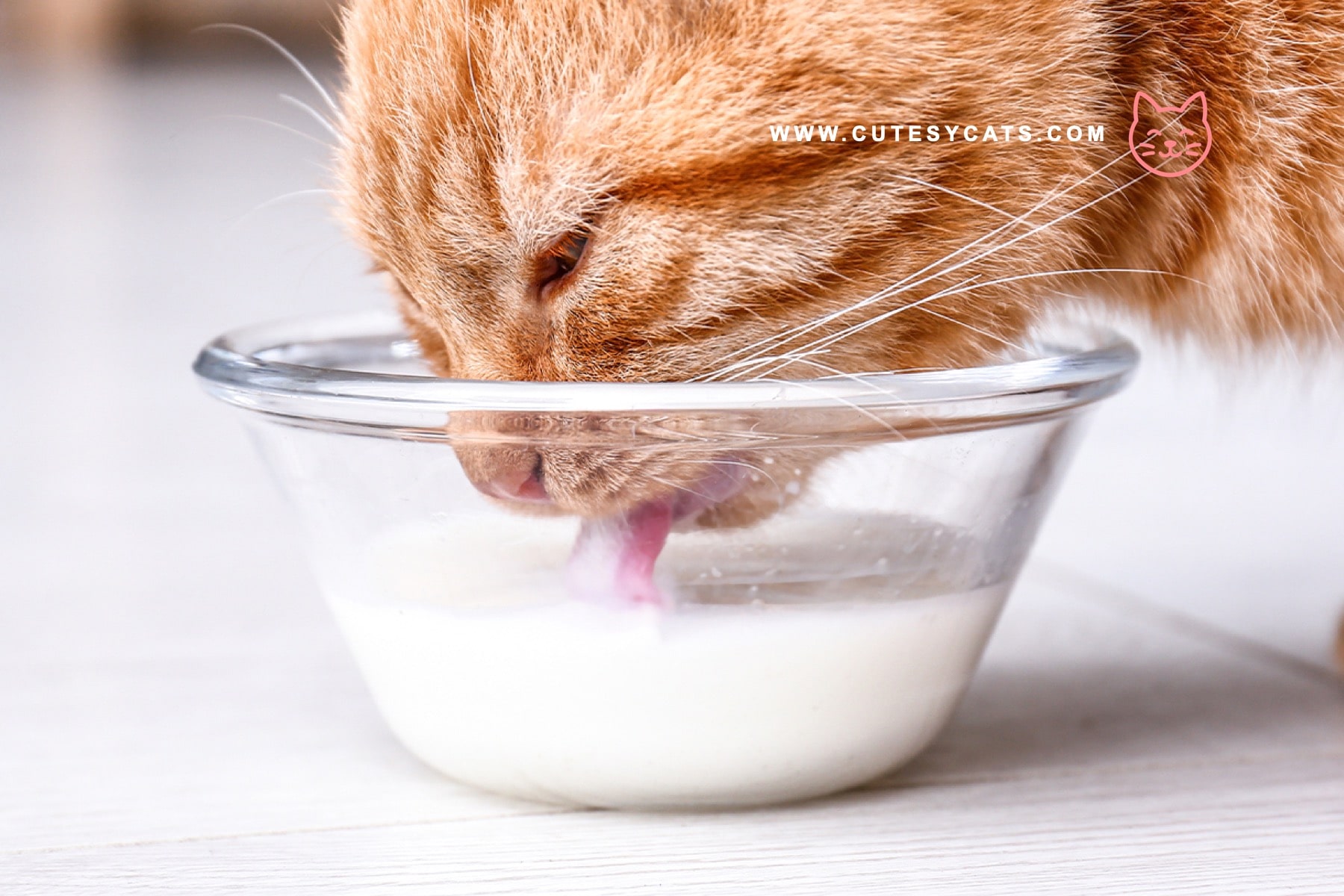
Vomiting is another common sign of milk intolerance. It can occur shortly after ingestion and may repeat if milk continues to be offered. Observing vomiting patterns is important for health assessment.
Some cats show bloating or abdominal discomfort after drinking milk. Swelling of the belly can make them restless or unusually quiet. Gentle palpation may reveal tenderness.
Excessive gas is a subtle yet frequent symptom. It can cause audible stomach sounds or mild discomfort. These signs often accompany other digestive issues like diarrhea.
Loss of appetite may follow a milk reaction. Cats may refuse their usual food if they anticipate stomach upset. Temporary appetite changes are common during digestive distress.
Lethargy can accompany gastrointestinal discomfort from milk. A normally active cat may appear withdrawn or avoid play. This is often due to pain or bloating.
Dehydration can result from repeated vomiting or diarrhea. Signs include sunken eyes, dry gums, and reduced skin elasticity. Prompt attention is important for recovery.
Behavioral changes may indicate milk intolerance. Cats may hide or act irritable after consuming milk. Recognizing these subtle cues helps prevent future exposure and discomfort.
Exploring Various Milk Options and Their Safety for Cats
Cow's milk is the most commonly offered but can be risky. Many cats are lactose intolerant, leading to diarrhea, bloating, and stomach upset. Even small amounts may cause discomfort.
Goat's milk is sometimes thought to be gentler on digestion. It contains lactose and can still trigger intolerance in sensitive cats. Monitoring reactions is essential before regular offering.
Plant-based milks like almond or soy may seem safe but have hidden risks. Additives, sweeteners, and high sugar content can upset a cat's stomach. Nutritional deficiencies are possible.
Rice and oat milk are also popular alternatives. They often contain thickeners or flavorings that cats should not consume. Even lactose-free varieties need careful consideration.
Evaporated or condensed milk is high in sugar and fat. It can cause digestive issues and long-term weight problems. These forms are not suitable for cats.
Raw milk may appear natural and healthy but carries bacteria risks. Pathogens like Salmonella can make both cats and humans sick. It should always be avoided.
Lactose-free cow's milk can reduce digestive upset. While safer, it is not nutritionally complete for cats. Treat it only as an occasional supplement.
Specialized feline milk formulas are designed for safety. They provide appropriate nutrients and are easier to digest. Always choose products specifically labeled for cats.
Safe Milk Options and Treats That Keep Cats Comfortable
Specially formulated cat milk provides a creamy taste without lactose. Cats can enjoy it safely without digestive upset. It is ideal for occasional treats.
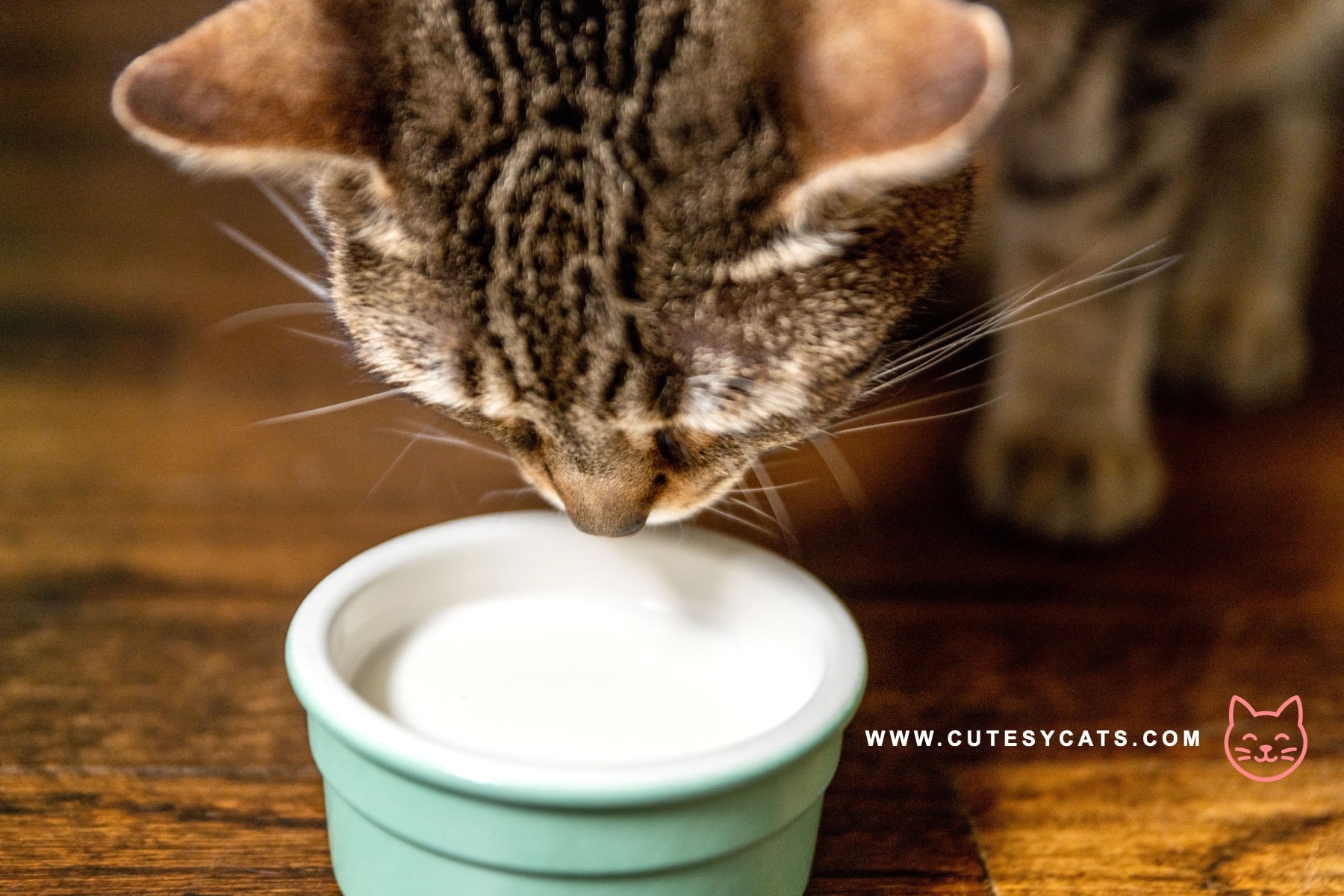
Unsweetened plain yogurt can be offered in very small amounts. It contains less lactose than regular milk. Always monitor for any digestive reactions.
Certain cat-safe broths can mimic the flavor of milk. These are low in fat and free from harmful additives. They are a tasty liquid alternative.
Pureed pumpkin mixed with a little water can create a creamy treat. It is gentle on the stomach. It also adds fiber to aid digestion.
Small amounts of lactose-free goat milk designed for pets are sometimes tolerated. It must be offered cautiously. Overfeeding can still cause mild digestive upset.
Soft cheese labeled for cats can serve as an occasional creamy treat. Avoid high-salt or flavored cheeses. Introduce in tiny portions only.
Frozen treats made from feline milk formulas can provide a fun alternative. Cats enjoy the texture. Portion control is important to prevent overeating.
Hydrating gel treats formulated for cats offer both flavor and moisture. They are easy to digest and safe for lactose-intolerant cats. These can be a daily snack.
Guidelines for Offering Milk to Cats Without Causing Harm
Even small amounts of regular milk can upset a cat's stomach. Lactose intolerance varies between cats. Some may tolerate tiny sips while others cannot.
A teaspoon of milk occasionally is usually safe for kittens under supervision. Adult cats rarely need milk for nutrition. Observing reactions is essential for safety.
Cats with known digestive sensitivity should avoid milk completely. Even lactose-free versions can sometimes trigger mild stomach upset. Caution is always recommended.
Gradually introducing small quantities helps determine tolerance. Start with a few drops mixed into wet food. Watch for vomiting or diarrhea before offering more.
Milk should never replace water or regular meals. Cats require hydration from fresh water daily. Milk is only an occasional treat, not a dietary staple.
Using milk substitutes designed for cats is safer. Portion control is key to avoid digestive stress. Too much, even of safe alternatives, can still cause discomfort.
Treats that mimic milk, such as yogurt drops or broths, should be limited. Small servings prevent stomach upset. Monitor your cat's response carefully.
Consistency in serving small amounts ensures safety. Keep a record of reactions. Avoid giving milk before large meals or multiple treats in one day.
Hidden Dangers of Regular Milk Intake on Feline Health
Regularly giving milk can lead to digestive upset and discomfort in cats. Lactose intolerance may cause persistent diarrhea and stomach cramps over time.
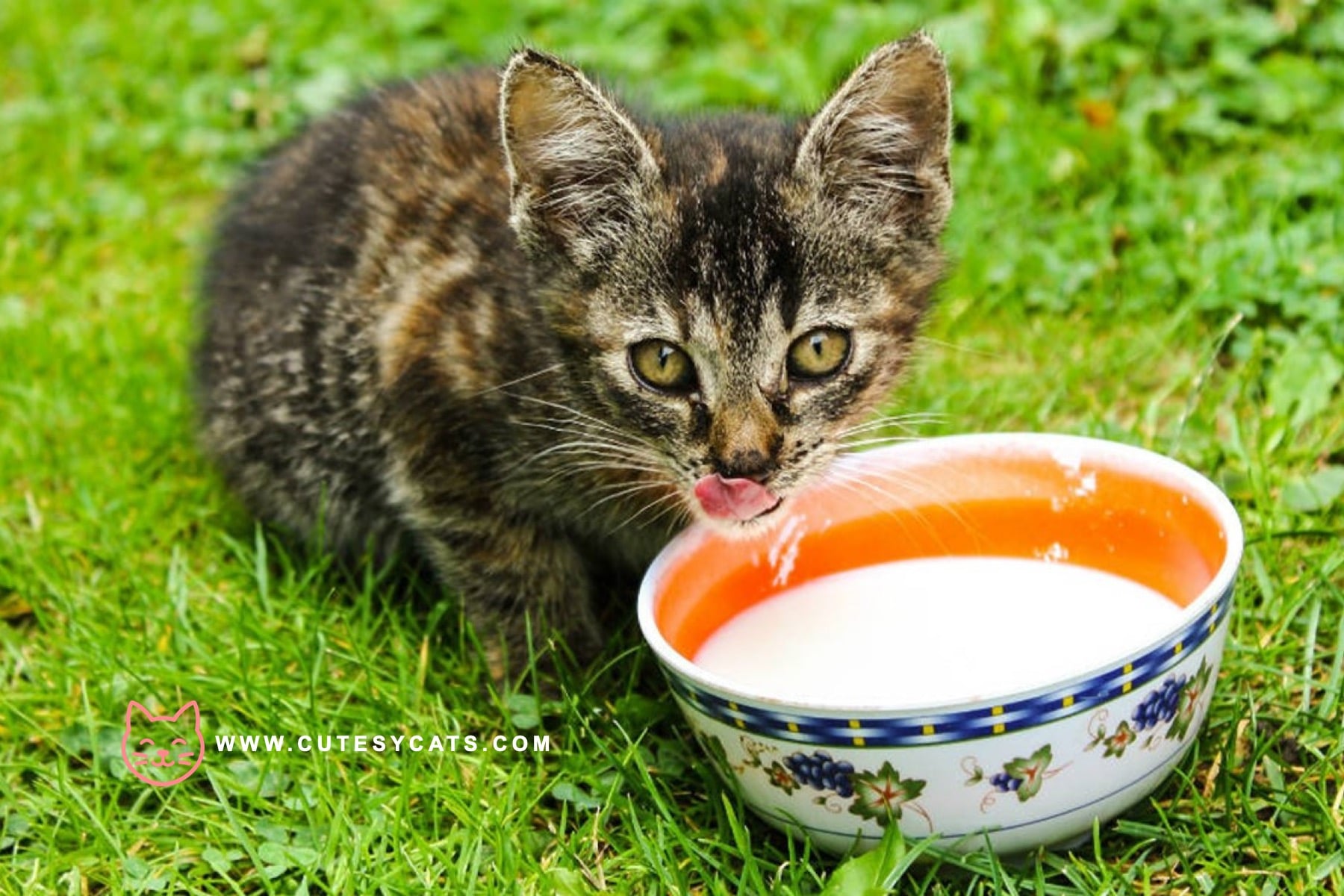
Chronic milk consumption can affect nutrient balance. Excess calories from milk may contribute to weight gain and related health issues.
Repeated stomach upset can stress the digestive system. This may reduce nutrient absorption and weaken overall gut health.
Some cats develop skin or coat issues linked to diet. Reactions to milk proteins can trigger mild allergies or inflammation.
Long-term feeding of milk can strain kidneys. Dehydration from diarrhea may worsen kidney function, especially in older cats.
Persistent exposure may cause behavioral changes. Cats may become hesitant to eat other foods or show discomfort after treats.
Even lactose-free milk alternatives can pose risks if overused. Moderation is essential to prevent digestive and nutritional imbalances.
Focusing on water and balanced cat food keeps hydration and nutrition optimal. Milk should remain an occasional treat, not a dietary staple.
Steps to Help Your Cat Stay Comfortable After Drinking Milk
If your cat consumes milk, observe for vomiting, diarrhea, or bloating over the next few hours. Early observation helps prevent complications.
Offer plenty of fresh water to support hydration. This can reduce the risk of dehydration from mild digestive upset.
Avoid giving more milk or dairy products until symptoms fully subside. Even small amounts can worsen stomach discomfort or diarrhea.
Provide a familiar diet to help your cat's digestive system recover. Bland, easily digestible meals can soothe irritation.
Monitor energy levels and litter box habits closely. Sudden lethargy or persistent diarrhea may indicate a more serious reaction.
If symptoms worsen, contact a veterinarian promptly. Professional advice ensures proper treatment and avoids long-term digestive issues.
Use probiotics or vet-approved supplements only under guidance. These can support gut health but should not replace veterinary care.
Prevent future incidents by storing milk out of reach. Reinforce safe feeding habits and stick to cat-appropriate liquids and treats.
Simple Ways to Keep Your Cat Hydrated and Nourished Safely
Provide fresh water in multiple locations throughout your home. Cats are more likely to drink when water is easily accessible.
Offer wet cat food regularly. It adds moisture to their diet and supports healthy hydration without relying on milk.
Rotate safe treats and small meals to maintain interest in their food. Variety encourages healthy eating habits and proper nutrition.
Avoid giving human dairy products. Even small amounts of milk can cause digestive upset or long-term health issues in cats.
Use cat-friendly broths or water enhancers approved for pets. These can make drinking water more appealing without adding lactose.
Maintain routine feeding schedules. Consistency helps your cat feel secure and supports digestion while keeping them properly nourished and hydrated.