
Why Holiday Leftovers Spark Curiosity in Cats
Christmas meals fill the home with warm smells that interest curious cats. Many dishes carry rich scents that feel new to them. These scents pull cats toward the table. Cat parents often wonder which leftovers are safe.
Holiday menus often differ from daily meals in many ways. They contain complex flavors and rich ingredients. These changes make the food more appealing to cats. This can lead to questions about what is safe.
Cats explore food mostly through smell. Strong holiday aromas can encourage them to investigate plates. Their natural curiosity leads them close to leftovers. This creates concern for many owners.
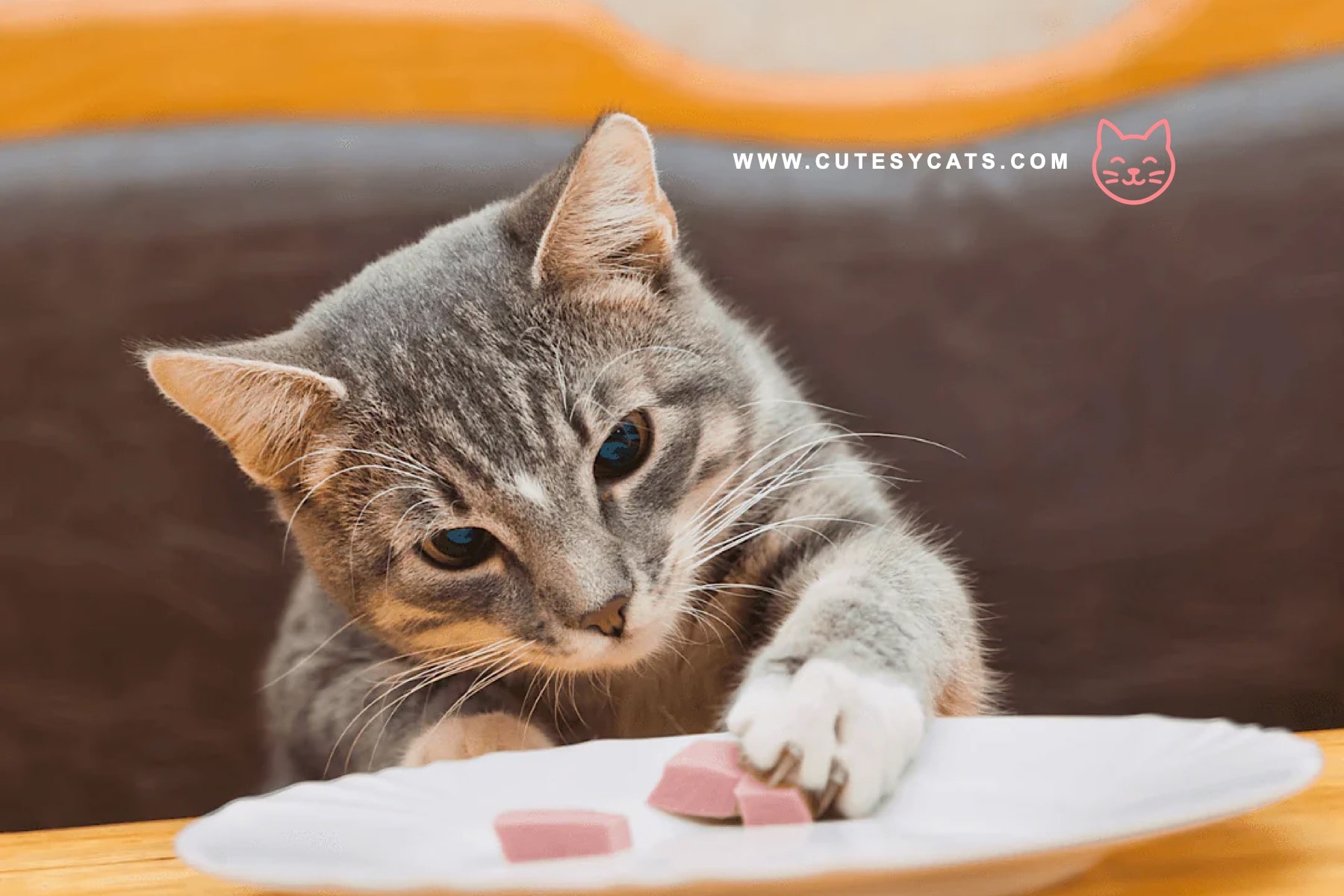
Festive meals also come with busy surroundings. Cats may act differently when guests move around. They often look for comfort during loud moments. Leftovers may become part of that comfort seeking.
Cat parents want to include pets in joyful traditions. Sharing food feels like part of the celebration. Yet safety remains a priority during these moments. This creates the need for clear guidance.
This section prepares readers for careful choices. It explains why interest in leftovers appears during the holiday. It also sets the goal of protecting each cat. The next sections will sort safe options from risky ones.
Holiday Dishes That Can Cause Trouble for Curious Cats
Stuffing is a common holiday favorite that is risky for cats. It often contains onions, garlic, and spices. These ingredients can upset a cat's digestive system. Even a small taste can cause problems.
Seasoned meats are another hazard during Christmas meals. Salt, herbs, and butter can be harmful to cats. Bones in meat can create choking or internal injury risks. Cats should never have meat with added seasonings.
Casseroles are often rich and full of diverse ingredients. Many contain onions, garlic, or dairy, which are unsafe for cats. The combination of fats and starches can upset digestion. Cats may be tempted by the smell but should avoid tasting them.
Gravy and sauces often hide harmful elements. They can include excess salt, fat, or onion powders. These components are dangerous even in small amounts. Cats should not be allowed near these liquids.
Buttery sides like mashed potatoes with butter can cause issues. High fat content can lead to vomiting or diarrhea. Dairy can be difficult for cats to digest. Even small bites are risky for sensitive tummies.
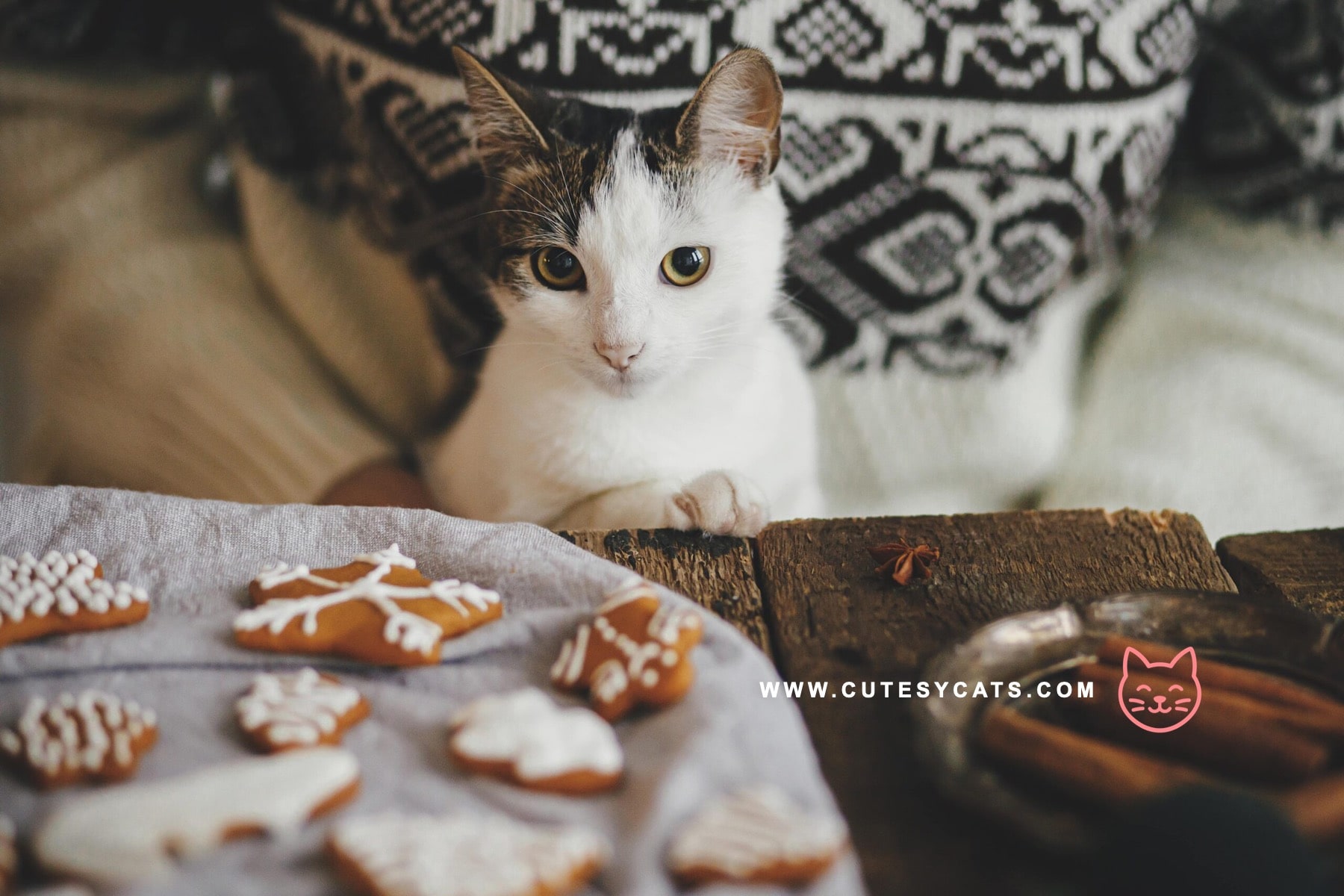
Holiday breads sometimes contain raisins, nuts, or spices. Raisins and certain nuts are toxic to cats. Cinnamon or nutmeg can also irritate the digestive tract. It is best to keep these treats away from pets.
Cheese and cream-based dishes may seem harmless. Many cats are lactose intolerant and can suffer digestive upset. High fat content also contributes to pancreatitis risk. These foods should be avoided entirely.
Sweet desserts pose dangers beyond sugar content. Chocolate, raisins, and artificial sweeteners are toxic to cats. Pastries can also contain nuts and spices that irritate them. Owners should resist sharing these festive treats.
How Common Holiday Ingredients Can Threaten Your Cat's Health
Onions and garlic are frequent in holiday dishes and can harm cats. They damage red blood cells and may cause anemia. Even small amounts over time can be dangerous. Cats are particularly sensitive to these ingredients.
Salt is often added to festive meals in large amounts. High salt intake can lead to dehydration or kidney strain. Cats cannot process excessive sodium effectively. Owners should avoid giving salted leftovers.
Rich fats in meats, gravies, or sauces can upset digestion. Fatty foods may cause vomiting or diarrhea in cats. In extreme cases, pancreatitis can develop. This makes high-fat holiday foods risky.
Butter and cream are common in sides and desserts. Many cats are lactose intolerant and cannot digest dairy well. Consuming dairy can cause diarrhea or stomach pain. Even small servings can be harmful.
Spices like nutmeg, cinnamon, or cloves may irritate the digestive tract. Some can affect the nervous system if ingested in large amounts. Cats have low tolerance for these compounds. Avoid offering any spiced dishes.
Certain sweets contain chocolate or artificial sweeteners. Chocolate contains theobromine, which is toxic to cats. Artificial sweeteners like xylitol can cause organ failure. Both should never be given to cats.
Raisins and grapes are sometimes hidden in holiday desserts. These foods can lead to kidney damage in cats. Even a few small pieces are dangerous. Owners should be vigilant about hidden ingredients.
Overall, holiday meals contain many hidden hazards. Cats' digestive systems are not equipped for human feasts. Understanding ingredients helps prevent illness. Careful selection keeps cats safe during festivities.
When Christmas Turkey Can Be Safe for Your Feline Friend
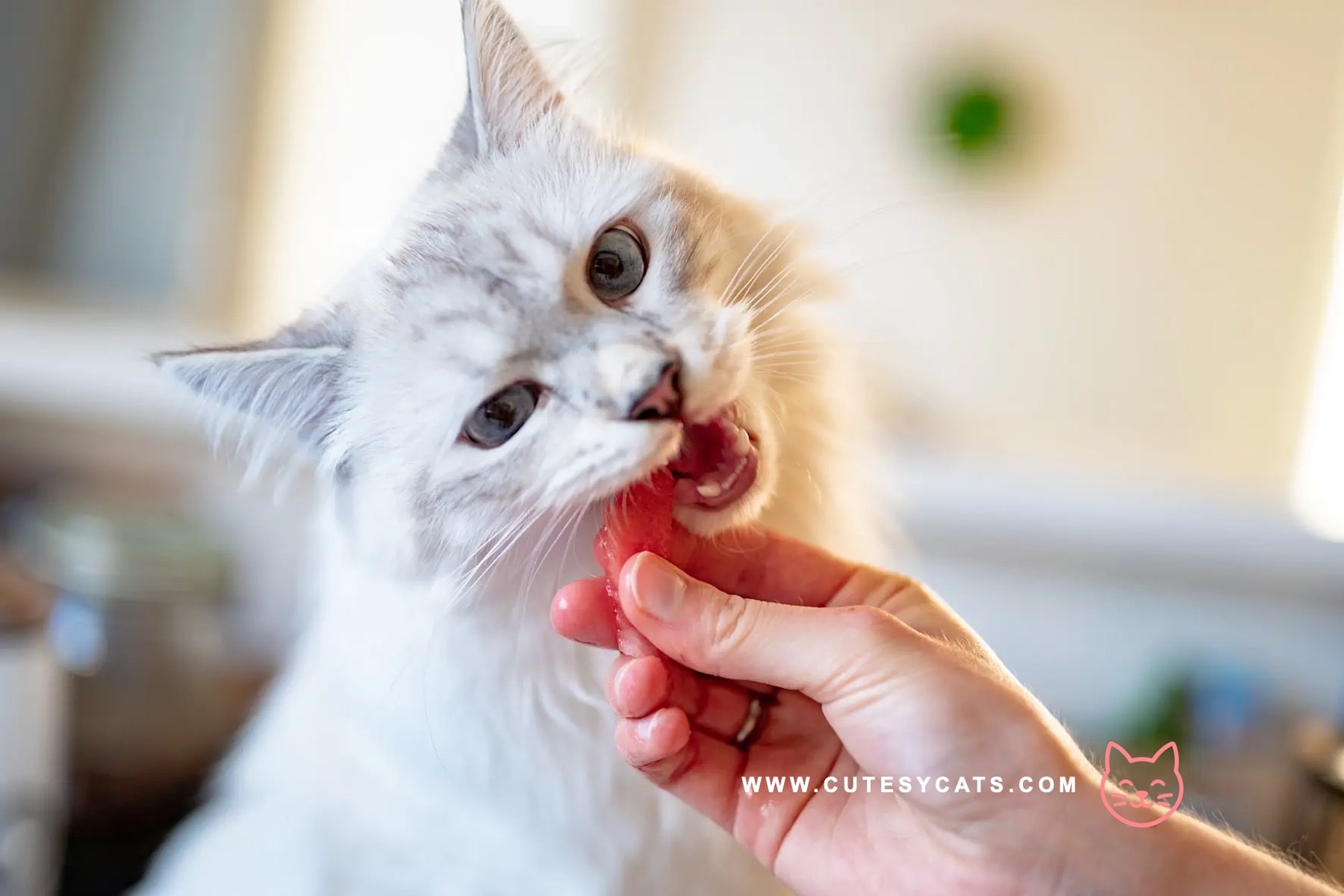
Plain cooked turkey can be a safe treat for cats. Remove all skin, seasoning, and fat before offering any portion. Small pieces are enough to avoid digestive upset. Cats do not need large amounts.
Turkey bones are very dangerous for cats. They can splinter and cause choking or internal injury. Even cooked bones should never be given. Avoid letting cats near bones at all times.
Seasoned turkey is risky for many reasons. Salt, herbs, and spices can irritate a cat's stomach. Garlic and onion powder are especially harmful. Cats should only have unseasoned portions.
Leftover turkey gravy should be avoided entirely. It contains salt, fat, and thickening agents that upset digestion. Even a small taste can cause vomiting. It is not safe for cats.
Small, plain turkey pieces can be a special treat. Moderation is key to preventing stomach problems. Always remove any attached fat or skin first. Offer only a few bites at a time.
Cats may be tempted by the smell of roasted turkey. Curiosity should not lead to unsafe feeding. Owners need to supervise carefully. Prevent access to seasoned leftovers at all costs.
Understanding safe turkey feeding protects your cat's health. Plain portions are the only acceptable choice. Bones, skin, and seasoning create unnecessary risk. Mindful feeding keeps the holiday safe and enjoyable.
Why Holiday Gravy and Sauces Can Upset Your Cat's Stomach
Gravy is often made with meat drippings that are high in fat. Fat can be difficult for cats to digest. Even a small amount may cause vomiting or diarrhea. Cats have sensitive digestive systems.
Many sauces include added salt for flavor. Excess salt can lead to dehydration and strain the kidneys. Cats cannot handle large amounts safely. Salty sauces are never suitable for tasting.
Thickening agents like flour or cornstarch are common in gravy. These ingredients are not toxic but can upset digestion. Cats may develop soft stools or mild discomfort. It is better to avoid giving them.
Gravy often contains onion or garlic powders. These spices are toxic to cats in any amount. They can damage red blood cells and cause anemia. Even a taste should be avoided.
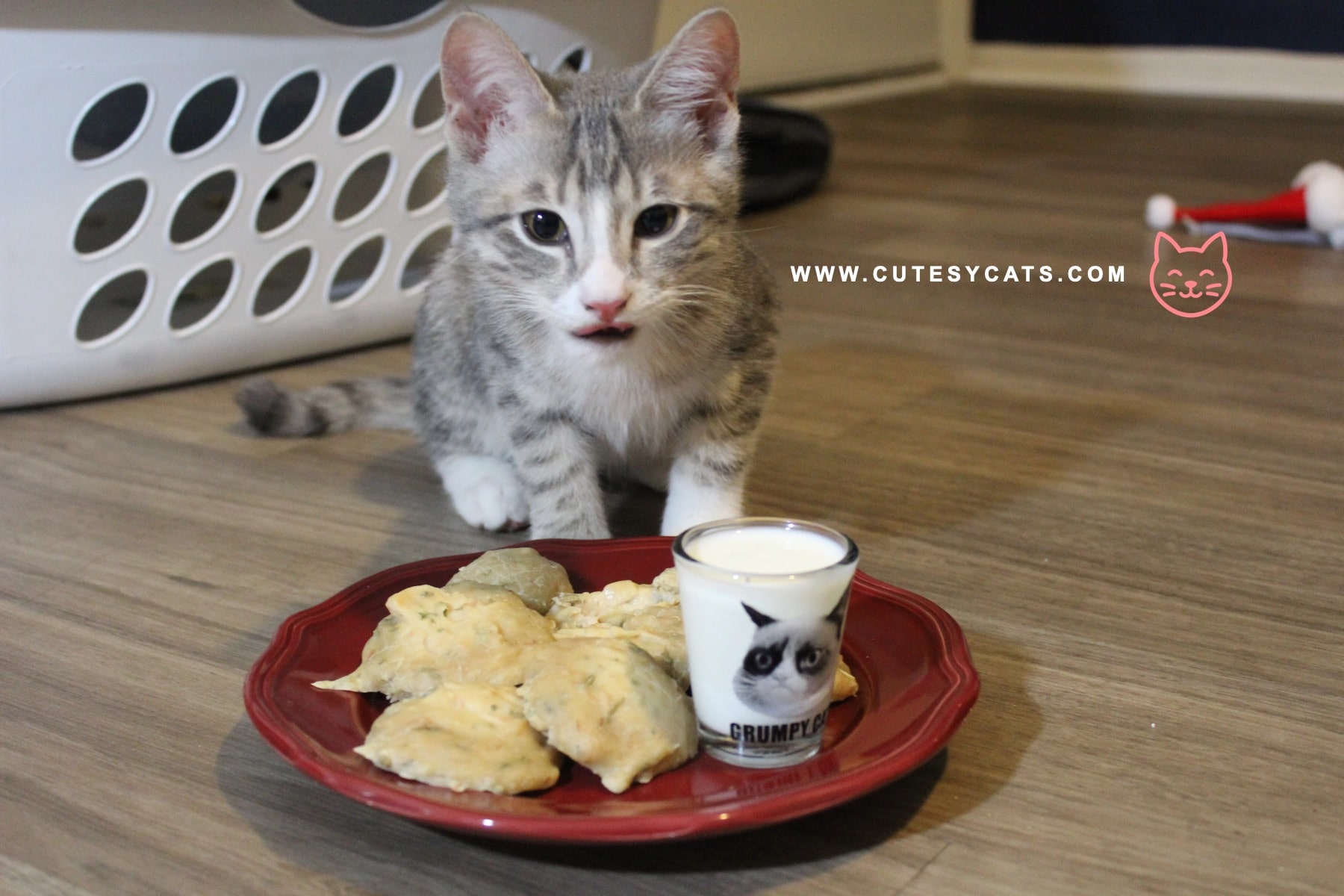
Creamy sauces are high in dairy content. Many cats are lactose intolerant. Consumption may result in diarrhea or stomach cramps. Creamy sauces are unsafe for most cats.
Certain sauces may also contain wine or other alcohol. Alcohol is extremely toxic to cats. Even tiny amounts can cause vomiting or organ failure. Keep cats far away from any alcohol.
Sweet sauces with sugar or syrups are not safe either. Sugar can upset digestion and contribute to obesity. Some sweeteners are toxic to cats. Never allow tasting of these sauces.
Owners may think small tastes are harmless. Even a single lick can trigger digestive upset. Cats are sensitive to rich or seasoned ingredients. Avoid all gravy and sauces entirely.
Understanding gravy risks helps prevent health issues. Cats should only receive plain, safe foods. Seasoned sauces offer no nutritional benefit. Careful choices keep cats healthy during holidays.
How to Safely Offer Holiday Vegetables to Your Cat
Plain vegetables like carrots, green beans, or peas can be safe for cats. They provide minimal calories and are easy to digest. Always serve them cooked without salt or seasoning. Avoid giving large amounts at once.
Festive mixed dishes often contain onions, garlic, or butter. These ingredients make vegetables unsafe for cats. Even small portions of seasoned vegetables can cause digestive upset. Owners should avoid table scraps with seasoning.
Mashed vegetables may contain cream, butter, or spices. These additions can lead to diarrhea or vomiting in cats. Plain steamed vegetables are always a better option. Avoid sharing mashed sides with your pet.

Raw vegetables are sometimes offered as treats. Some cats may enjoy crunchy textures. However, certain raw vegetables can be hard to digest. Monitor small amounts to prevent stomach issues.
Pumpkin and squash are generally safe for cats in small portions. They are low in fat and high in fiber. Avoid adding sugar, spices, or butter. These can turn a healthy treat into a risk.
Being cautious with vegetables ensures a safe holiday meal. Stick to plain, cooked options whenever possible. Avoid seasoned or mixed dishes from the table. This protects your cat from avoidable illness.
Why Holiday Desserts Can Be Risky for Your Cat's Health
Chocolate is one of the most dangerous holiday treats for cats. It contains theobromine, which can harm the heart and nervous system. Even small amounts can cause vomiting or tremors. Cats should never taste chocolate in any form.
Raisins and grapes are often hidden in desserts. These foods can damage a cat's kidneys quickly. Even a few pieces can be toxic. Owners should check ingredients carefully.
Sugar and sugary treats are not healthy for cats. Excess sugar can upset digestion and lead to weight gain. Cats do not need sweet flavors in their diet. Avoid sharing cookies or candies.
Artificial sweeteners are extremely dangerous to cats. Xylitol is commonly found in sugar-free desserts. It can cause rapid drops in blood sugar and liver damage. Always keep sweeteners out of reach.
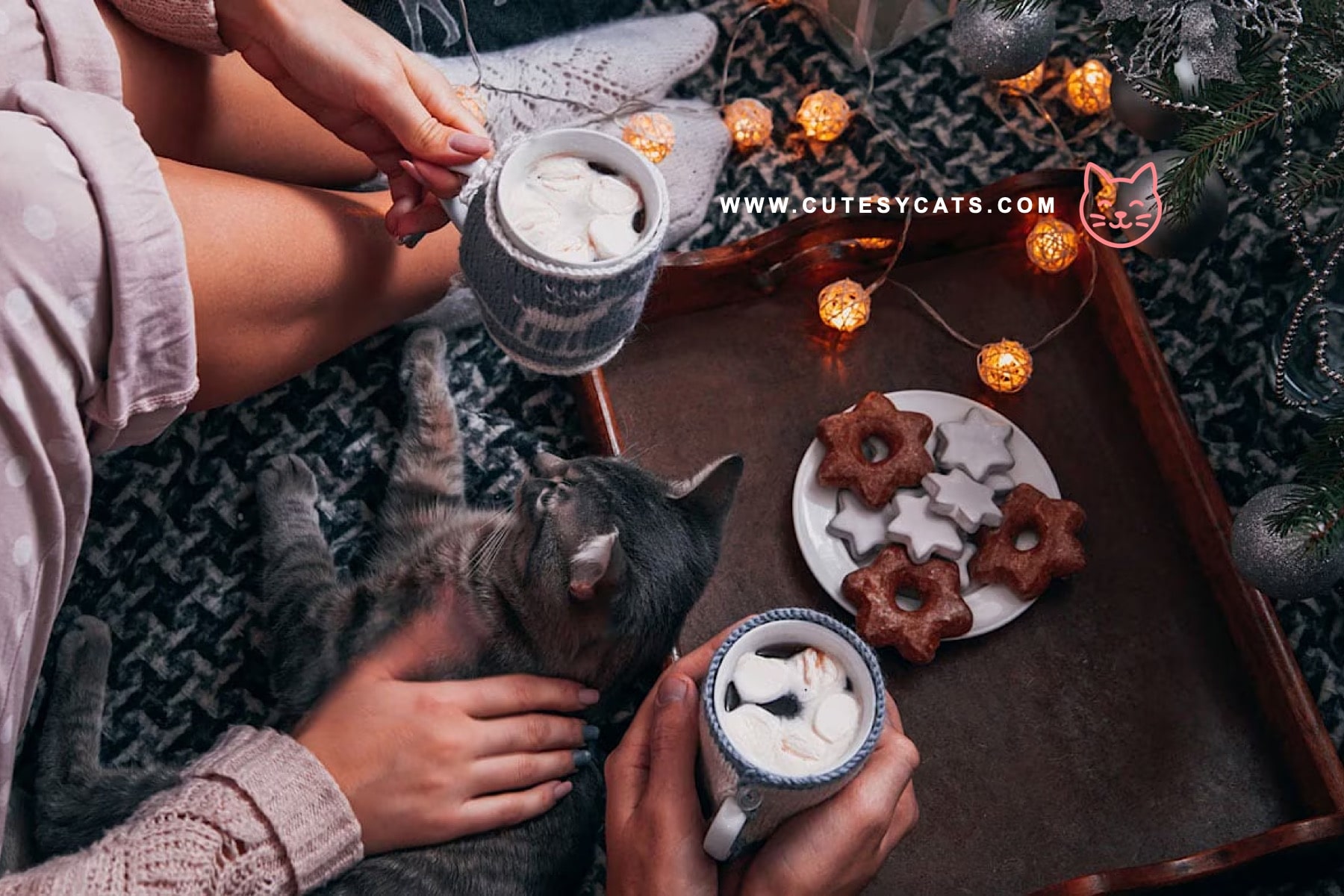
Dairy-based sweets may seem safe but can be harmful. Many cats are lactose intolerant and develop diarrhea or stomach cramps. Creamy puddings, custards, and ice cream are risky. Avoid offering these treats.
Pastries often contain harmful nuts or spices. Nutmeg, cloves, and cinnamon can irritate the digestive tract. Nuts like macadamias are toxic to cats. Holiday pastries are not safe snacks.
Keeping sweets away from cats prevents serious illness. Stick to safe treats designed for feline digestion. Awareness of hidden toxic ingredients is important. Careful vigilance ensures a happy and healthy holiday.
Why Holiday Spices Can Be Harmful to Your Cat's Body
Nutmeg is a common spice that can affect a cat's nervous system. Even small amounts may cause tremors or lethargy. Avoid dishes containing nutmeg entirely. Cats are very sensitive to this spice.
Cinnamon is sometimes used in baked goods and desserts. It can irritate the digestive tract if ingested. Cats may develop vomiting or diarrhea after tasting it. Small amounts can still be risky.
Allspice is another spice that may hide in holiday recipes. It contains compounds that can upset a cat's stomach. Even when sprinkled lightly, it can cause discomfort. Avoid letting cats taste any allspice.
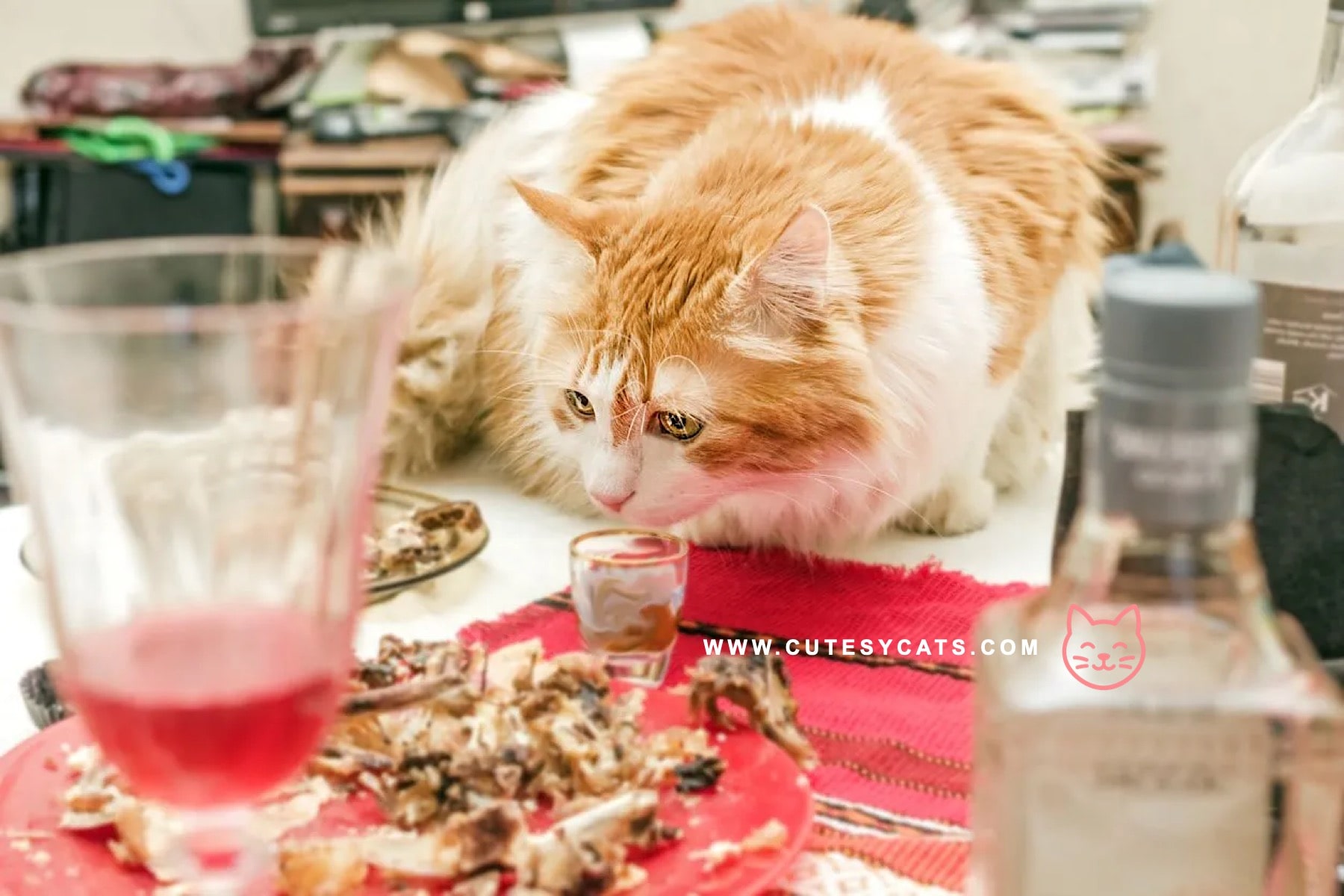
Ginger, cloves, and other strong spices can also pose problems. They may irritate the mouth and stomach lining. Digestive upset is the most common reaction. Cats should not sample spiced foods.
Spice coated dishes are more dangerous than plain foods. Even safe base foods become risky when seasoned. The flavorings add toxins or irritants cats cannot tolerate. Careful supervision is necessary.
Holiday roasts, cookies, and sauces often contain multiple spices. Each spice increases the risk of digestive issues. Avoid sharing any spiced leftovers with your cat. Spices are not needed in their diet.
Owners should be aware of hidden ingredients in festive meals. Spices can be subtle but still harmful. Always check for seasoning before offering food. Safety comes from vigilance and knowledge.
Understanding how spices affect cats keeps them healthy. Plain, unseasoned foods are the safest choice. Avoid all spiced dishes during the holiday season. Mindful feeding prevents unnecessary health risks.
Safe Holiday Treats That Your Cat Can Enjoy Without Risk
Plain cooked meats like turkey or chicken are excellent holiday treats. Remove all seasoning, skin, and bones before serving. Small portions are enough to satisfy a cat's curiosity. Moderation helps prevent digestive upset.
Certain steamed vegetables are safe for cats in small amounts. Carrots, green beans, and peas are gentle on the stomach. Avoid adding butter, salt, or spices. These veggies can be a healthy holiday snack.
Pumpkin and squash are also safe and nutritious for cats. They provide fiber and support digestion. Serve plain without added sugar or seasoning. These vegetables make a simple, low-risk treat.
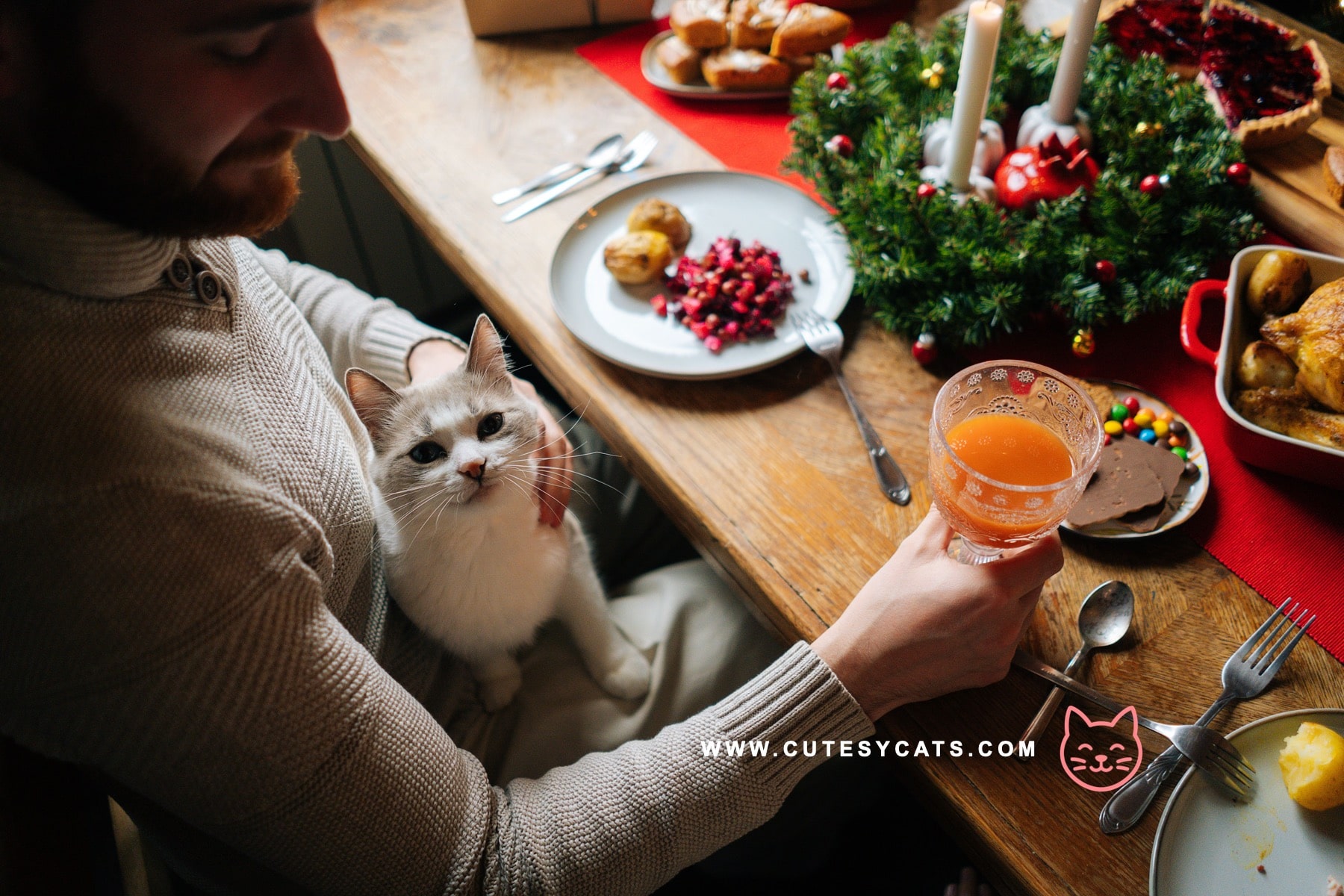
Some fruits like small apple slices can be given occasionally. Remove seeds and core to prevent choking. Avoid grapes and raisins, which are toxic. Only tiny portions should be offered.
Vet approved treats are always a safe choice for sharing. They are designed for feline digestion and nutrient balance. These treats can mimic holiday excitement. They are better than table scraps.
Interactive feeding toys can make treats fun and safe. Hide small portions inside toys for mental stimulation. Cats enjoy the challenge and stay active. This method prevents overeating and keeps them safe.
Offering safe treats protects your cat while including them in celebrations. Stick to plain meats, vegetables, and approved treats. Avoid anything seasoned, fatty, or toxic. Mindful choices create a joyful holiday for everyone.
Keeping Your Cat Safe While Enjoying Holiday Meals Together
Mindful feeding ensures your cat stays healthy during festive times. Choosing safe treats prevents digestive upset and toxicity. Small, plain portions are always best. Awareness makes holidays joyful for everyone.
Avoid giving cats seasoned, fatty, or sweet leftovers. Even a tiny taste can lead to illness. Stick to plain meats, vegetables, or vet approved treats. Careful selection protects their health.

Supervise your cat around holiday dishes and decorations. Curiosity can lead to accidents or ingestion of unsafe foods. Keep risky foods out of reach. Safety measures prevent unnecessary emergencies.
Involve your cat in holiday fun without sharing dangerous foods. Play with toys, give safe treats, and create cozy spaces. Celebrations can include pets safely. Their happiness adds warmth to the season.
Thoughtful feeding habits create lasting holiday memories. Cats enjoy the sights and smells without harm. Mindful choices show care and responsibility. A safe holiday strengthens the bond between owner and pet.