
Why Fish and Cats Became an Enduring Curiosity
Cats and fish share a long cultural connection that feels almost instinctive to many pet owners. Stories, images, and everyday assumptions often link cats with fish meals. This familiarity naturally raises questions about whether the pairing is truly safe.
Many owners first encounter this curiosity when a cat reacts strongly to fish aromas in the kitchen. The scent alone can trigger excitement, vocalization, or persistent begging behaviors. Such reactions make fish seem like an obvious treat choice. However, interest does not always equal suitability.
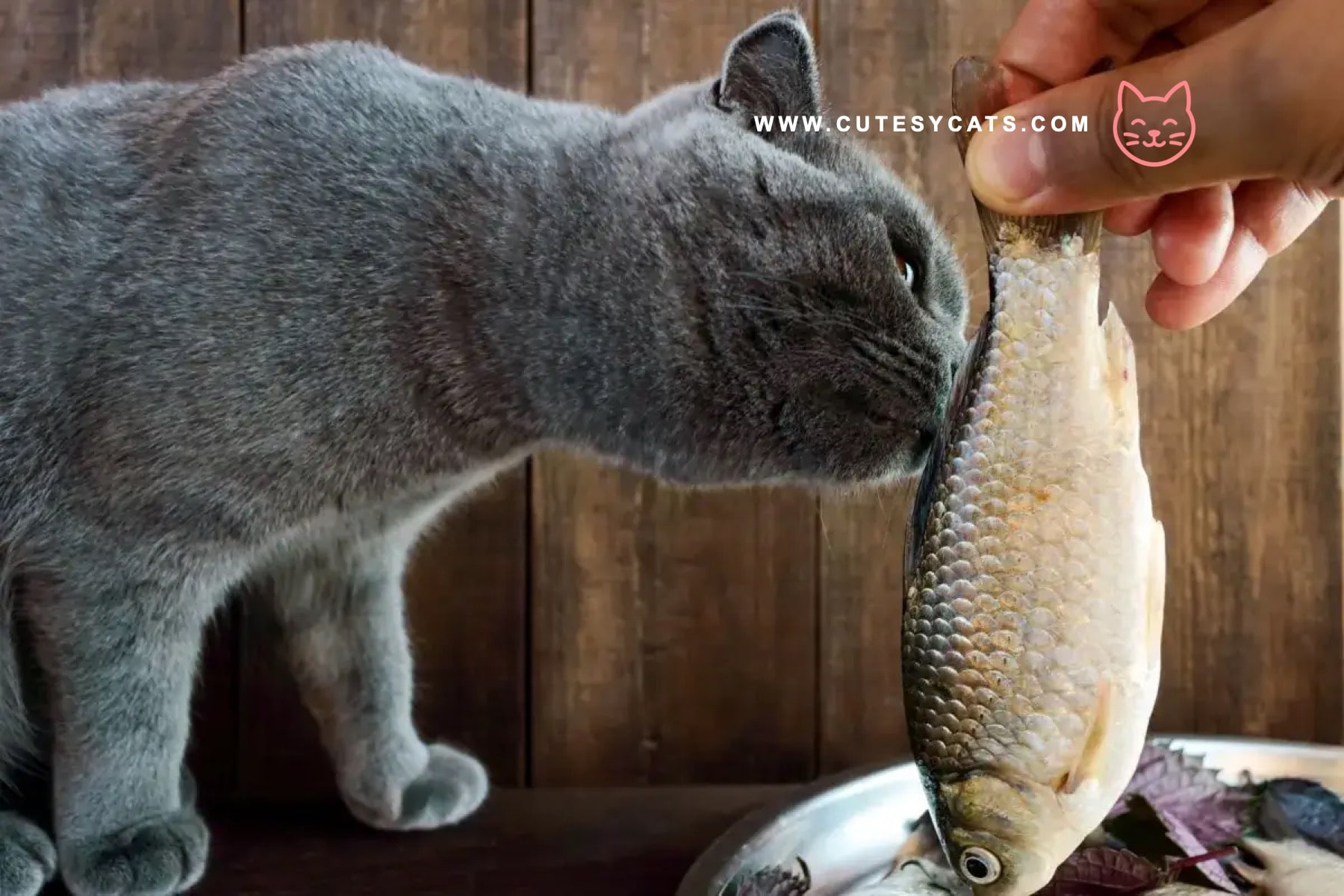
Fish also appears frequently in conversations about feline diets and traditional feeding habits. Some people associate fish with coastal communities and working cats from the past. These associations can blur the line between folklore and modern nutritional understanding. As a result, safety questions continue to surface. Careful evaluation helps separate myth from reality. This distinction matters for long term feline health.
Another reason for concern involves how fish is prepared and served today. Modern cooking methods differ greatly from historical feeding practices. Seasonings, oils, and preservation techniques introduce new variables. Each change affects how a cat's body responds to fish consumption.
All these factors combine to make fish a frequent topic among cat owners. Curiosity grows from instinct, tradition, and sensory appeal working together. Understanding these roots sets the stage for a deeper look at safety considerations.
What Makes Fish So Hard for Curious Cats to Ignore
Building on the curiosity around fish, scent often becomes the first trigger for feline interest. Fish releases strong aromas that travel quickly through a home. Cats rely heavily on smell to evaluate food safety and appeal.
Those aromas signal protein richness to a cat's instincts. Felines evolved to seek out nutrient dense prey through scent alone. Fish smells intense compared to many other foods found indoors. This intensity can spark immediate attention.
Texture also plays a meaningful role in attraction. Flaky fish breaks apart easily in a cat's mouth. This softness mimics the feel of natural prey tissue. Cats often prefer foods that require minimal chewing effort.
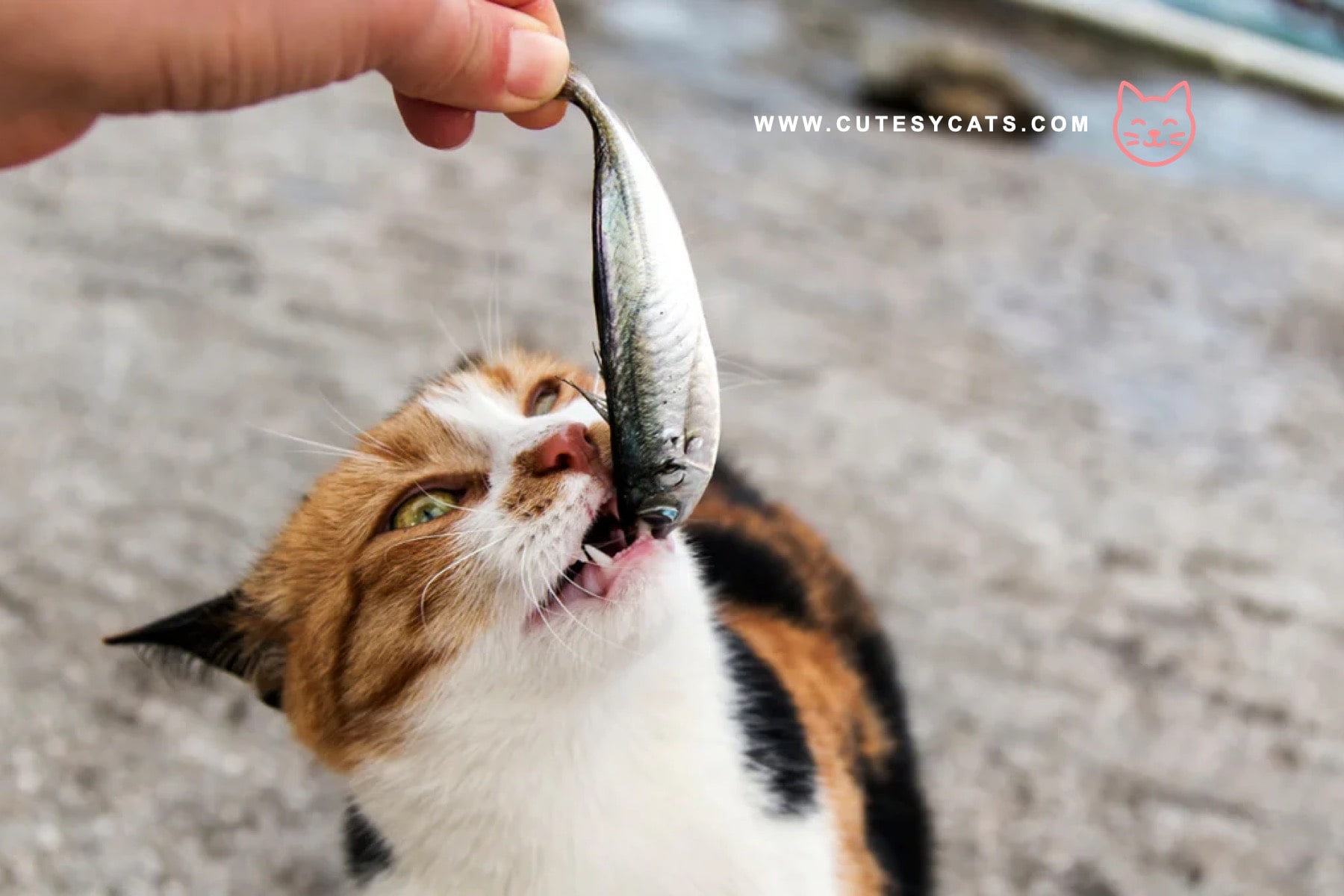
Taste compounds that appeal to cats are naturally present in fish flesh. These compounds activate receptors linked to satisfaction and reward. The flavor profile feels rich without sweetness, which cats generally ignore. As a result, fish feels instinctively rewarding.
Moisture content further enhances fish appeal for many cats. The juiciness helps spread aroma and flavor across the tongue. Cats that drink little water may find this especially enticing. Moist foods often feel more stimulating than dry textures.
Visual cues can also influence a cat's reaction. Shiny skin and pale flesh catch attention under kitchen lighting. Movement during preparation may heighten curiosity. These small details reinforce interest before tasting begins.
Past experiences shape attraction as well. Cats that have sampled fish once may remember the pleasure. Positive memory strengthens anticipation when similar smells appear. This learning effect can intensify begging behaviors.
Altogether, instinct, scent, texture, and memory combine into a powerful draw. Fish appeals on multiple sensory levels at once. Understanding this attraction helps explain why restraint matters. Interest alone does not confirm suitability for regular feeding.
How Fish Nutrients Support Cats Without a Full Diet
After understanding why fish attracts cats, nutrition becomes the next logical focus. Fish offers concentrated nutrients that seem ideal for carnivorous bodies. However, nutritional value does not always equal complete balance.
Fish provides high quality protein that supports muscle maintenance and tissue repair. Cats rely on animal protein for essential bodily functions. Fish protein is generally easy for cats to digest. This can make it appealing as an occasional food source.
Fats found in fish contribute significant energy for active cats. These fats also help support healthy skin and coat condition. Omega fatty acids are often credited for reducing dryness. They may also support joint comfort. Balanced intake remains important.
Omega fatty acids can influence brain and eye health in cats. These nutrients support normal inflammatory responses. Small amounts can be beneficial when part of a varied diet.
Fish also contains vitamins like B complex nutrients that assist metabolism. Minerals present help with nerve signaling and muscle function. These nutrients support daily physiological processes. Still, quantities vary widely by fish type.
Despite these benefits, fish lacks several nutrients cats need daily. Some essential vitamins may be absent or present in unstable forms. Relying on fish alone risks nutritional gaps. Balance remains the guiding principle.
Preparation and sourcing affect nutrient availability in fish. Cooking methods can reduce certain beneficial fats. Storage may also impact freshness and nutrient stability. These factors matter when feeding cats.
When viewed as a supplement, fish nutrients can enhance variety. They should complement complete feline meals, not replace them. Understanding limits helps owners make safer feeding choices. Nutrition works best when diversity supports balance.
When Raw Fish Looks Natural Yet Hides Real Danger
Building on fish nutrition, preparation becomes a serious safety concern for cat owners. Raw fish may appear wholesome because it seems closer to nature. That assumption often ignores hidden biological risks.
Raw fish can carry harmful bacteria that survive refrigeration and casual handling. These microbes may upset a cat's digestive system. Some can lead to more serious illness.
Parasites present another overlooked issue with uncooked fish. They can live inside tissue without obvious signs. Once ingested, they may cause internal irritation. Cats may show delayed symptoms that confuse owners.
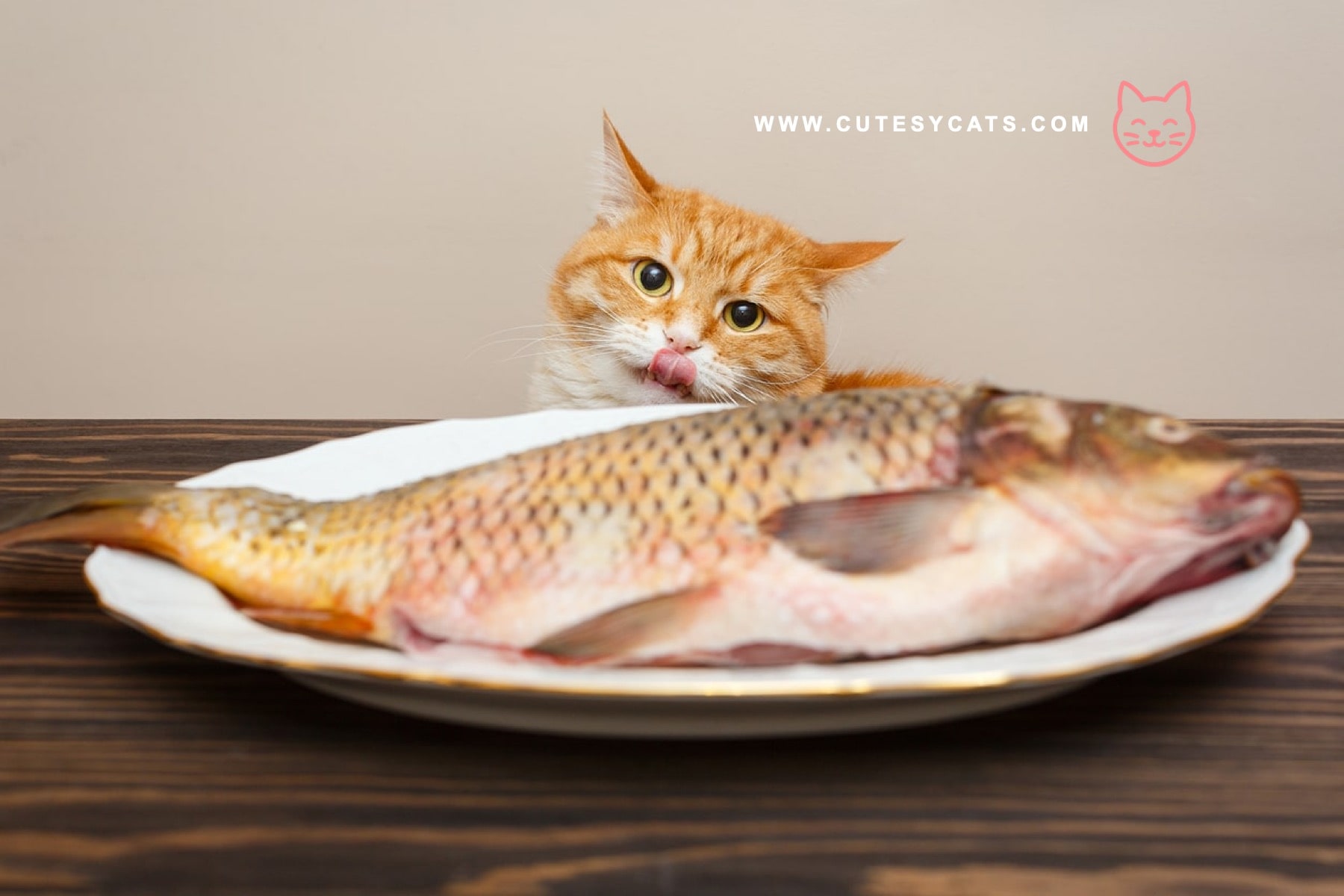
Certain raw fish contain enzymes that interfere with vitamin absorption. Thiamine deficiency is one possible outcome. Over time, this can affect neurological health.
Cross contamination increases risks when raw fish touches kitchen surfaces. Utensils can spread bacteria to other foods. Even small traces may be enough to cause digestive trouble. Cleanliness matters more than many owners expect.
Freezing raw fish does not guarantee parasite elimination. Some organisms survive cold storage. Thawing also introduces moisture that supports bacterial growth.
Smell can mask spoilage in fish that appears fresh. Cats may eat it eagerly despite underlying contamination. Owners often notice problems only afterward.
Considering these factors, raw fish demands careful evaluation. Its risks extend beyond simple freshness concerns. Safer preparation methods reduce many avoidable hazards.
How Cooking Fish Changes Safety and Nutrition for Your Cat
After understanding raw fish risks, cooking becomes a practical way to protect your cat while preserving nutrition. Heat neutralizes many harmful bacteria and parasites. Proper cooking reduces the chance of digestive upset.
Not all cooking methods are equally safe or healthy for cats. Boiling and steaming maintain nutrients without adding harmful fats or seasonings. Frying or baking with oils may introduce toxins or extra calories. Cats have sensitive digestive systems that cannot handle heavy oils.
Protein in fish remains largely intact after cooking. Amino acids essential for feline health are preserved. Some delicate vitamins may diminish slightly during high heat, but overall nutrition remains beneficial.

Cooking eliminates enzymes that could interfere with thiamine absorption. This prevents neurological issues linked to raw fish diets. Cats gain essential nutrients safely when preparation is correct.
Bones still pose a concern even after cooking. They can splinter and cause choking or internal damage. Filleting or removing bones is always recommended before feeding your cat.
Temperature and timing are critical when cooking fish for cats. Undercooked portions may still harbor bacteria or parasites. Overcooking can make fish dry and less palatable.
Seasoning should always be avoided when preparing fish for cats. Salt, herbs, or spices may trigger digestive upset or toxicity. Plain cooked fish is safest for feline consumption.
When these guidelines are followed, cooked fish can become a safe and nutritious treat. Cats can enjoy its flavor without the hazards of raw fish. Balanced feeding ensures health and satisfaction.
Fish Bones and Skin Can Pose Serious Threats to Cats
While fish offers many nutrients, certain parts like bones and skin can be dangerous. Small bones may get lodged in a cat's throat. Choking is a real risk when bones are not removed.
Cooked fish bones are particularly brittle and can splinter easily. These fragments can puncture the digestive tract or cause internal injuries. Even experienced cat owners must be cautious.
Skin can carry oils or seasonings that upset sensitive stomachs. Excessive oils may lead to diarrhea or vomiting. Cats may also develop pancreatitis if high-fat skin is fed regularly.
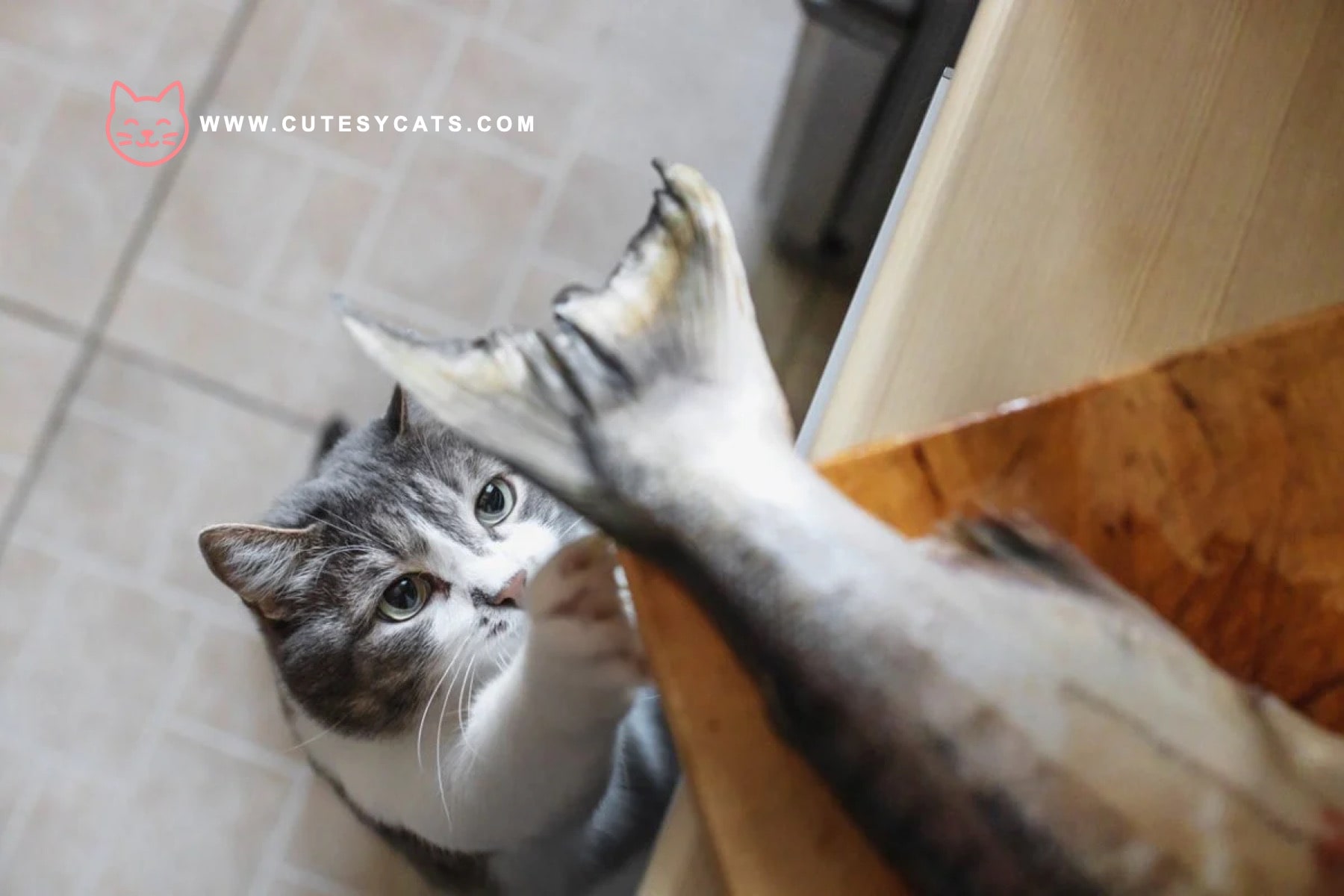
Bones can create blockages in the intestines if swallowed whole. Symptoms include vomiting, constipation, and lethargy. Immediate veterinary care is necessary if a blockage is suspected.
Fish heads may contain small, sharp bones that are easy to overlook. These bones can cause injury to the mouth or esophagus. It is safer to avoid feeding heads entirely.
Cartilage and tail bones also pose potential hazards. They can break into sharp pieces when chewed. Even healthy cats can suffer from injuries due to these parts.
Some cats may try to eat scales or fins. These parts are hard to digest and may irritate the digestive lining. Observation during feeding is crucial to prevent problems.
By removing all risky parts before serving, fish becomes much safer for cats. Fillets without skin or bones provide the benefits without the hazards. Proper preparation ensures a healthy and enjoyable treat.
Heavy Metals and Toxins in Fish Can Harm Cats Over Time
Certain fish contain mercury that can build up in a cat's system. Long term exposure may lead to neurological problems or organ damage. Cat owners should carefully monitor the type and amount of fish offered.
Tuna and swordfish are among the fish with higher mercury levels. Regular feeding of these fish can increase toxicity risks. Even healthy cats are vulnerable to the cumulative effects of mercury.
Other contaminants include PCBs and environmental pollutants that accumulate in fish tissue. These chemicals may affect liver and kidney function over time. Limiting fish intake reduces the likelihood of these long term effects.
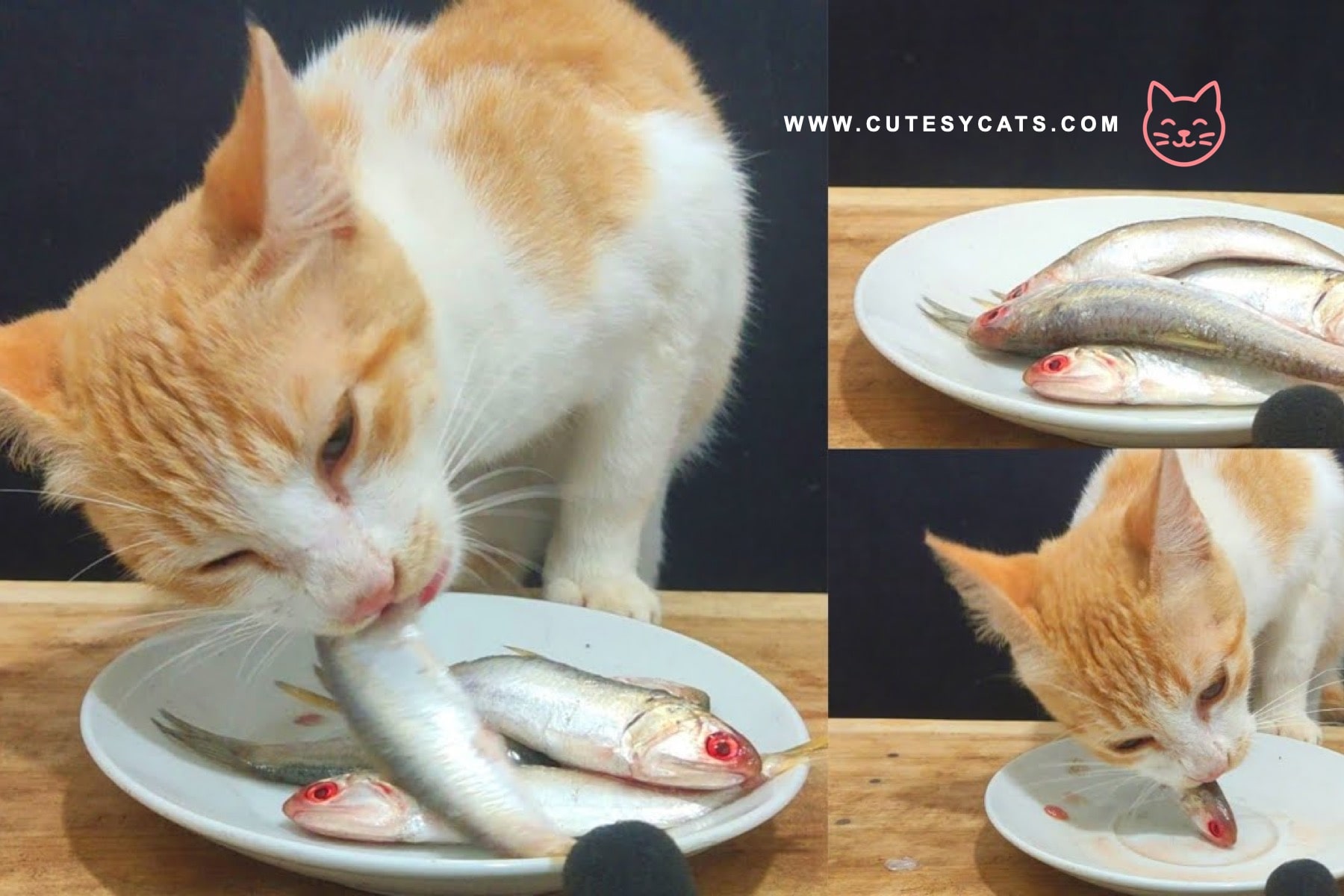
Cats are especially sensitive to toxins because of their smaller body size. Symptoms of toxicity may include vomiting, lethargy, and loss of appetite. Early detection and moderation are key to preventing harm.
Mercury binds to proteins in fish muscle making it difficult to remove through cooking. Even freshly caught fish may carry dangerous levels. Feeding fish occasionally is safer than daily servings.
High fat fish may also carry pollutants that accumulate in oils. Skin and fatty tissue often contain more toxins than lean muscle. Removing skin reduces exposure but does not eliminate all risks.
Different fish species have different toxin levels depending on habitat and diet. Predatory fish tend to have the highest mercury concentrations. Choosing low mercury options ensures safer occasional treats for cats.
Limiting frequency and portion size is the most effective way to reduce toxin risks. Pairing fish with a balanced diet supports overall feline health. Moderation allows cats to enjoy fish safely without long term consequences.
Keeping Fish Portions Safe Helps Cats Enjoy Treats Responsibly
Fish should never replace a cat's regular balanced diet. Occasional servings are ideal for treats rather than main meals. Moderation helps prevent nutrient imbalances that can harm feline health.
A small amount once or twice a week is generally safe. Overfeeding fish may lead to obesity or digestive issues. Portion sizes depend on the cat's weight, age, and overall diet.
Lean, low mercury fish are the safest options for regular treats. Tuna and swordfish should be limited to rare occasions only. Selecting the right species reduces the risk of toxin buildup.
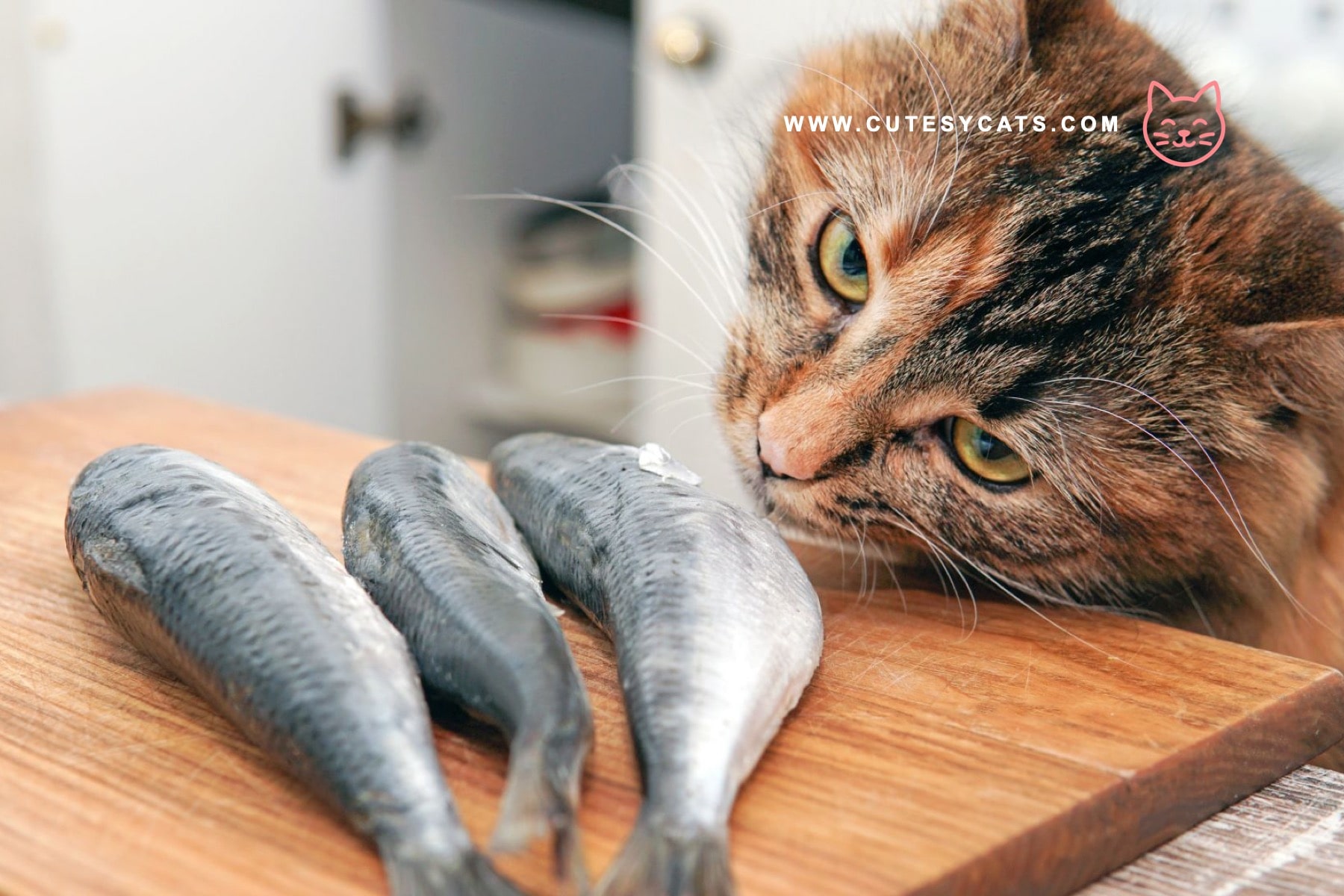
Cooked fish without seasoning is preferable to raw fish for safety reasons. Remove bones to prevent choking or internal injury. These simple steps make fish a safe supplement rather than a staple.
Cats with sensitive stomachs may tolerate smaller portions better than larger ones. Gradually introducing fish helps owners monitor for adverse reactions. Observing eating habits is crucial for safe feeding practices.
Even safe fish varieties should not exceed a few ounces per week. Providing fish too often can cause nutrient excesses or deficiencies. Balanced feeding ensures cats benefit without compromising health.
Treating fish as an occasional supplement supports a diverse and healthy diet. Mixing in other protein sources maintains nutritional balance. Variety also prevents food boredom and keeps cats engaged.
By keeping portions small and frequency low, owners can safely include fish in their cats' diet. Responsible feeding preserves both enjoyment and long term health. Cats can safely enjoy fish when moderation is maintained.
Spotting Early Signs That Fish Might Not Suit Your Cat
Cats may show sudden vomiting after consuming fish, which can indicate sensitivity or intolerance. Observing these reactions promptly allows owners to adjust feeding habits quickly. Frequent vomiting requires consultation with a veterinarian to prevent dehydration.
Digestive upset can also include diarrhea or soft stools following fish treats. Changes in litter box habits signal that the cat's stomach is not coping well. Monitoring frequency and consistency helps identify if fish is the cause.
Some cats develop skin issues such as itching or redness after eating fish. Allergic reactions can appear on paws, belly, or around the face. These symptoms indicate the need to reduce or stop fish intake immediately.
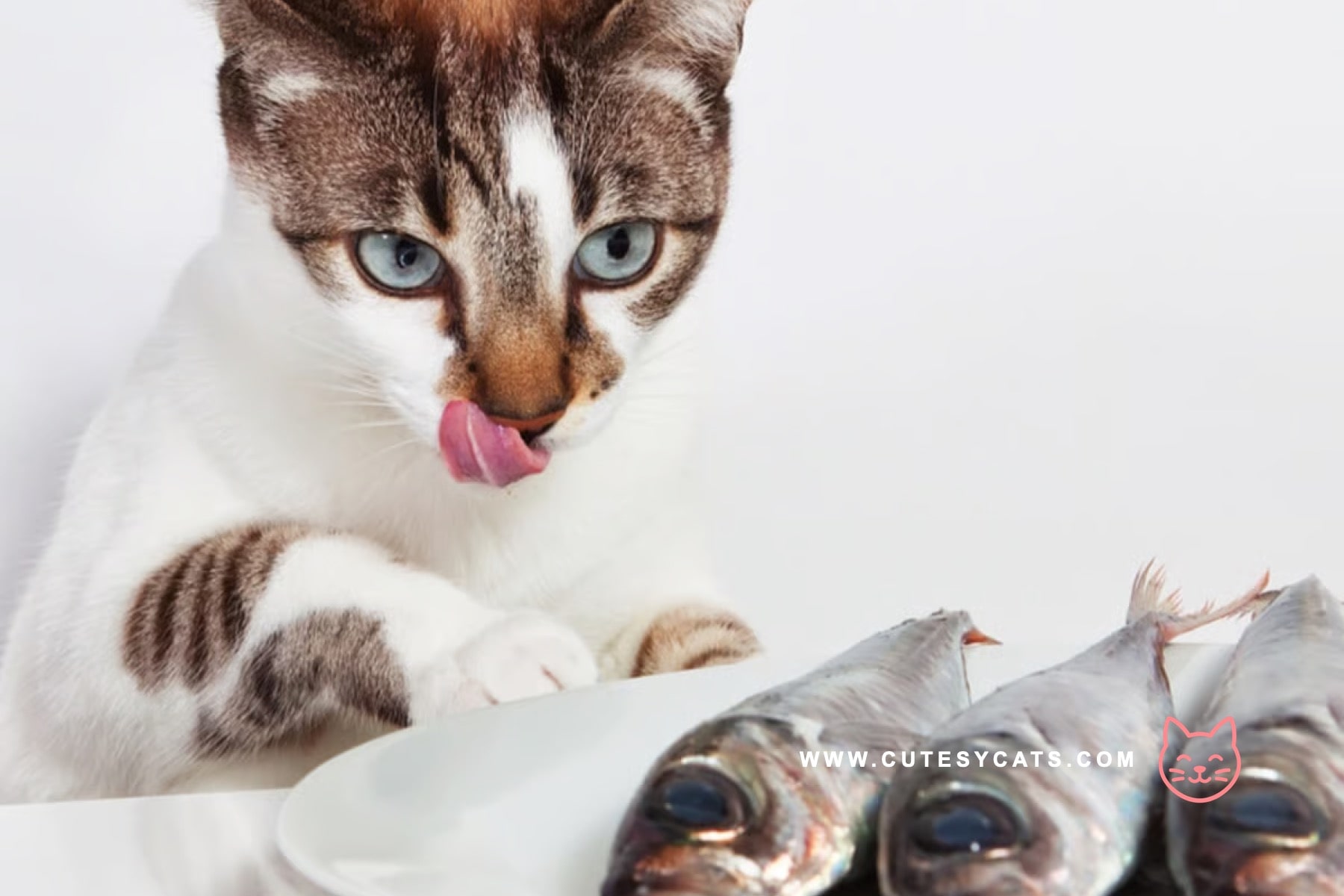
Refusal to eat fish is another warning sign, especially if the cat usually enjoys protein treats. Loss of interest may suggest a negative reaction or stomach discomfort. Observing appetite alongside other symptoms gives a clearer picture of tolerance.
Hair loss or excessive grooming can also hint at intolerance to certain fish types. Cats may overcompensate by licking affected areas, causing further skin irritation. Early intervention helps prevent worsening dermatological issues.
Some cats experience mild lethargy after consuming fish, signaling digestive strain or mild food sensitivity. Energy levels should return to normal if fish is removed from their diet. Persistent lethargy requires veterinary evaluation to rule out underlying conditions.
Monitoring for multiple symptoms at once provides a comprehensive view of tolerance. Vomiting, itching, and appetite changes together strongly suggest the need to avoid fish. Keeping a food diary can help track patterns and reactions over time.
Owners should always introduce fish gradually and in small amounts to gauge reactions. Early recognition of symptoms ensures cats remain healthy and happy. Adjusting portions and frequency helps maintain a safe balance while offering occasional fish treats.
Guiding Your Cat to Enjoy Fish Safely and Wisely
Offering fish to cats can be safe if moderation and proper preparation are always prioritized. Portion control ensures the cat receives a treat without overloading the digestive system. Monitoring their response helps owners make informed decisions about future servings.
Choosing the right type of fish reduces exposure to mercury and other harmful substances. Lean fish with low toxin levels is preferable for occasional treats. Avoid feeding fish that is heavily processed or contains added seasonings or oils.

Introducing fish gradually allows the cat's digestive system to adjust without stress. Small amounts reveal sensitivity or potential allergies before they become serious problems. Observing reactions for several hours after feeding gives valuable insight into tolerance levels.
Consistency in feeding habits supports long term health while maintaining variety in diet. Alternating fish with other protein sources prevents overreliance on any single type. Balanced nutrition is achieved by combining safe proteins with a complete feline diet plan.
Educated choices and mindful feeding promote overall wellbeing and happiness for cats. Treats like fish can be enjoyed safely when owners stay vigilant and attentive. Keeping records of portions and reactions ensures fish remains a safe addition to the diet.