
Why Feline Friends Often Wonder About Bread and Its Appeal
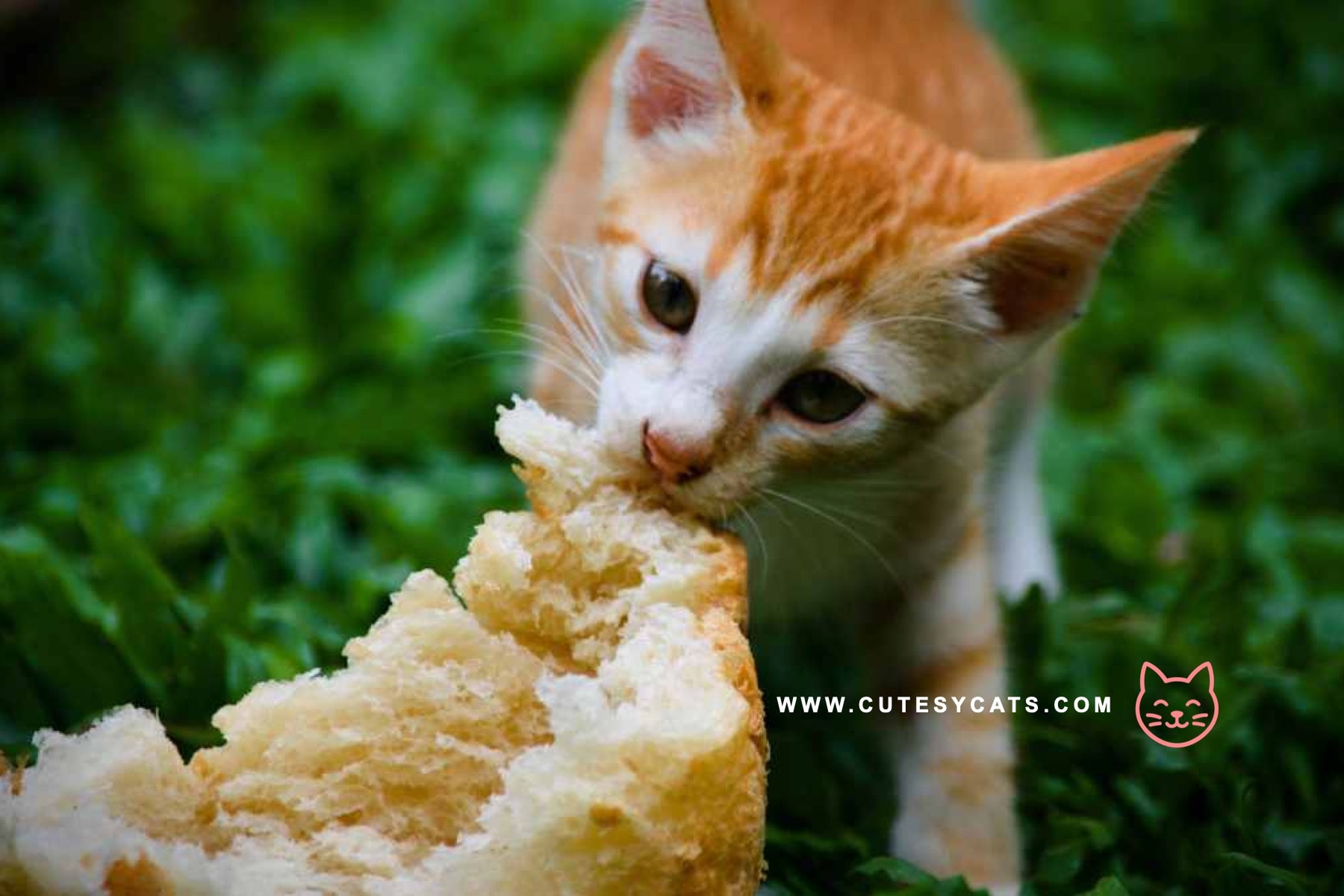
Cats are naturally curious about new smells and textures in their environment. Bread's soft texture and mild aroma can catch a cat's attention. Owners often notice their pets sniffing or nibbling on crumbs.
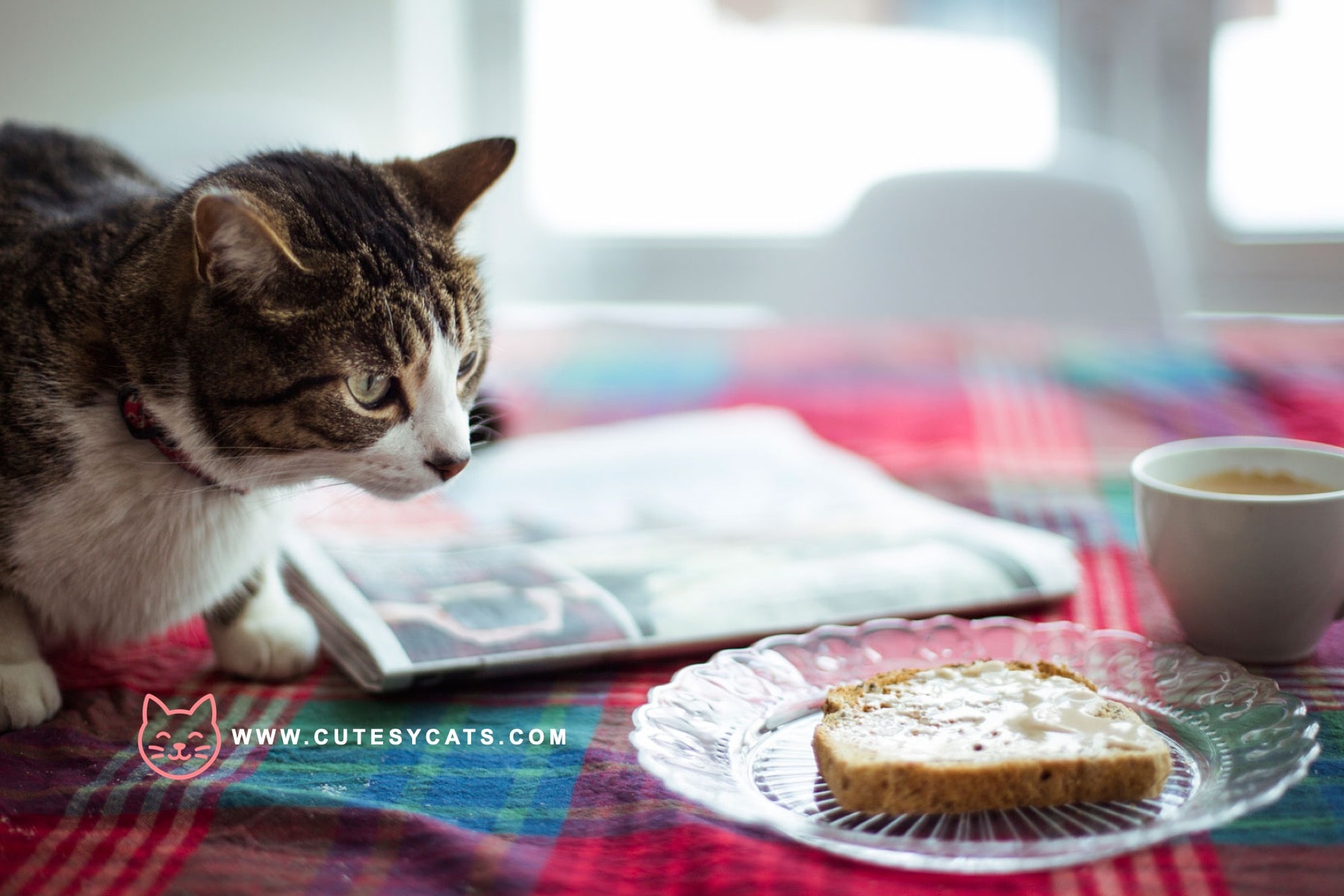
Bread is a common human food that cats might encounter on counters or tables. Its presence in the household can spark repeated interest. Cats may paw at slices or try to grab small pieces. This behavior can make owners question its safety.
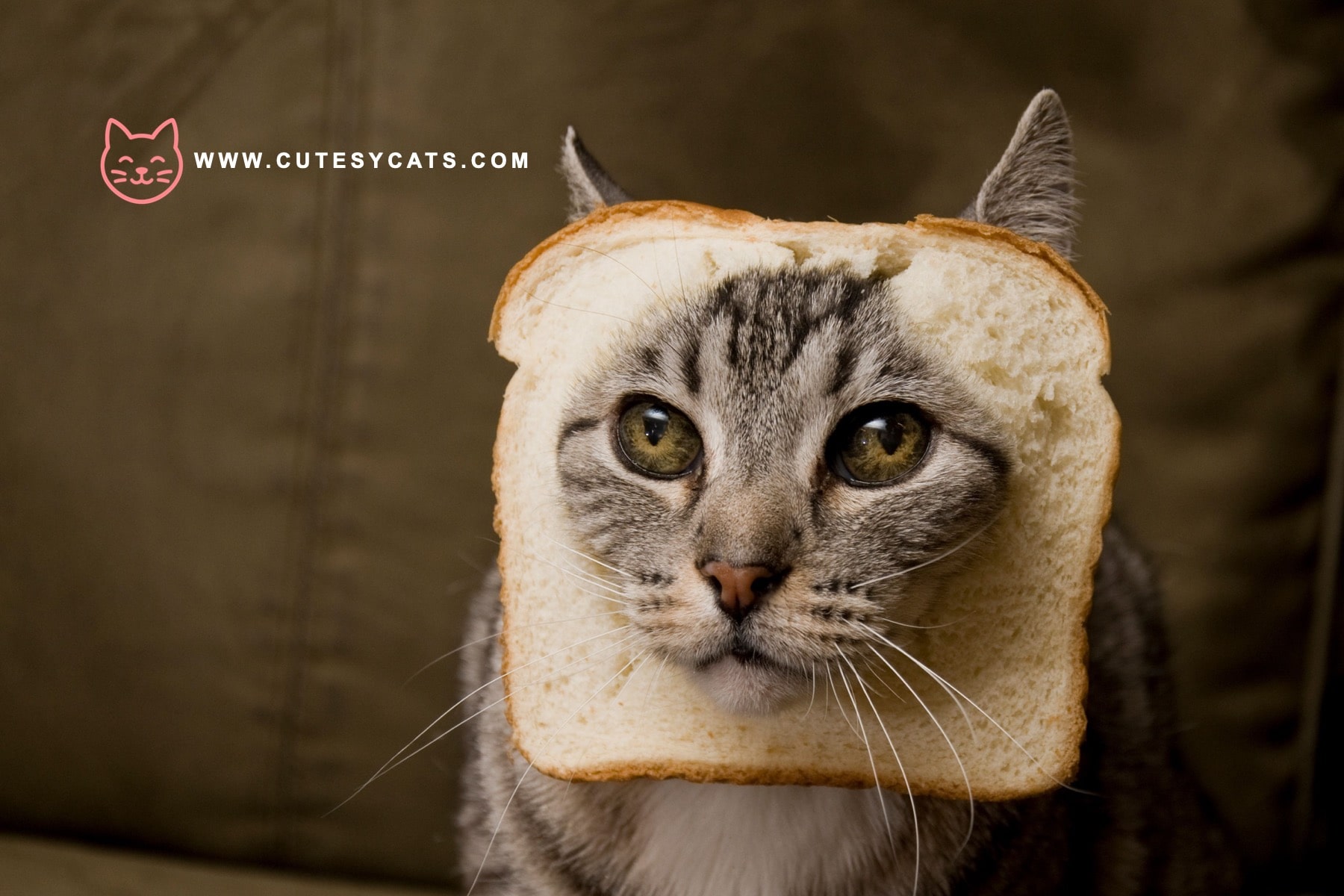
Cats do not require bread for nutrition, yet its novelty can be irresistible. Some cats enjoy chewing on crusts while others prefer soft crumbs. The human behavior of sharing food may reinforce this interest. Cats often mimic what they see their owners eating. Understanding this curiosity helps explain why bread attracts their attention.
Observing a cat interact with bread can reveal individual preferences. Some may nibble lightly while others ignore it completely. These differences highlight that not all cats are drawn to bread.
Owners worry about potential harm when cats eat bread. Bread contains carbohydrates, which cats digest differently than protein or fat. Many wonder if occasional nibbles are safe. These concerns often lead to questions about feeding guidelines.
The curiosity about bread is often harmless but still important to manage. Pet parents need to watch portion sizes carefully. Small crumbs may be tempting but could add extra calories. Awareness of a cat's behavior around bread helps prevent overeating. Understanding the why behind the interest sets the stage for safety guidance in the following sections.
Why Cats Find the Soft Smell and Texture of Bread Intriguing
Cats are drawn to bread for several sensory reasons. Its soft texture can feel interesting against their teeth. The mild aroma may trigger curiosity and exploration.
Novelty plays a significant role in a cat's interest. Bread is not part of their usual diet. Unfamiliar smells and shapes can make cats investigate cautiously. They often sniff, paw, or even nibble at slices.
The smell of yeast or baked grains can be particularly enticing. Cats have a keen sense of smell that guides their interactions. Even small crumbs may capture their attention quickly.
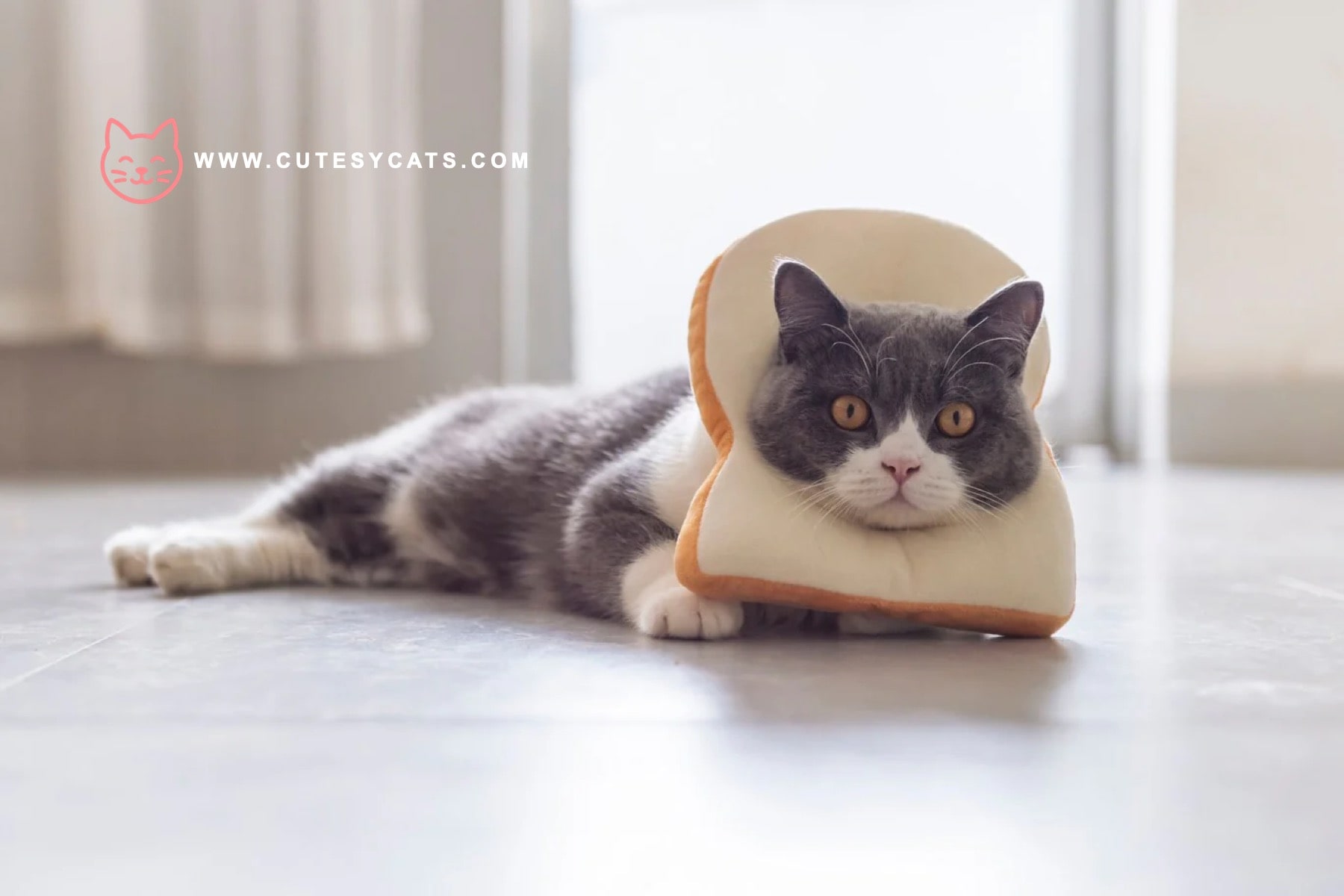
Texture matters as well because cats enjoy tactile experiences with their paws and mouths. Bread can be soft, chewy, or slightly crusty. This variety gives cats different sensory feedback.
Some cats may enjoy the act of shredding or biting small pieces. This behavior can resemble play or hunting instincts. It provides mental stimulation beyond just eating.
Owners often notice repeated interest in bread when it is left accessible. Cats may return to sniff or lick it later. This demonstrates that the allure can be ongoing, not just a one-time reaction.
Bread's neutral taste is another factor making it appealing. Cats may not taste sweetness strongly, but texture and smell compensate. The combination of these factors keeps some cats intrigued.
Understanding why cats are drawn to bread sets the stage for safe feeding guidelines. Awareness of these attractions helps owners manage access appropriately. This knowledge builds on why curiosity initially arises.
Understanding How Cats Break Down Carbs and Grain Based Foods
Cats are obligate carnivores, meaning their digestive systems are optimized for protein and fat. Carbohydrates like those in bread are not their primary fuel source.
Enzymes in a cat's small intestine break down some starches into sugars. However, this process is less efficient than in omnivores. Cats may only partially digest grains.
Fiber from bread and other grains passes largely undigested. Insoluble fiber adds bulk to stool and can help regulate bowel movements. Too much fiber may cause mild digestive upset.
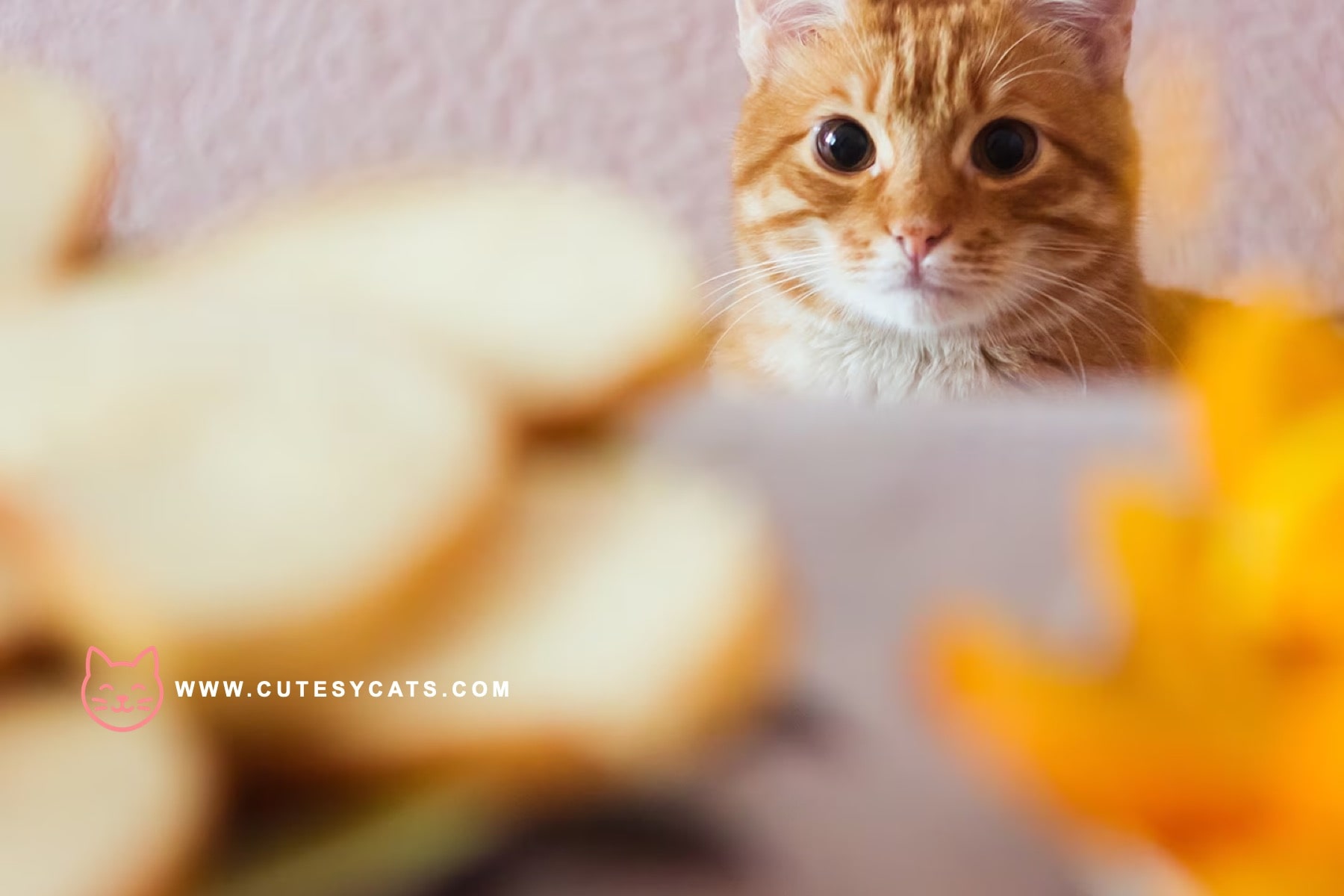
Cats produce limited amounts of amylase, an enzyme needed to digest starch. This limits their ability to process large quantities of bread efficiently. Feeding too much can lead to bloating or discomfort.
Bread also contains simple sugars and yeast that may ferment in the gut. This can cause gas or soft stool in sensitive cats. Some cats tolerate small amounts without issue.
Cooking or processing grains slightly improves digestibility. Bread is usually soft and easy to chew, but nutritional value for cats remains low. It should remain an occasional treat at most.
Understanding digestion helps owners decide how to offer bread safely. Awareness of carbohydrate limitations ensures cats receive balanced nutrition. Moderation is key to avoiding digestive problems.
Hidden Impacts of Bread on Your Cat's Daily Nutrition
Bread is high in carbohydrates but provides very little protein or fat, which cats need for energy and growth. It is not a complete food.
The calorie content in bread can contribute to weight gain if offered frequently. Cats do not efficiently metabolize carbohydrates, making excess calories harder to burn.
Minimal vitamins and minerals exist in plain bread. It lacks essential nutrients like taurine that are vital for feline health. Bread should never replace a balanced diet.
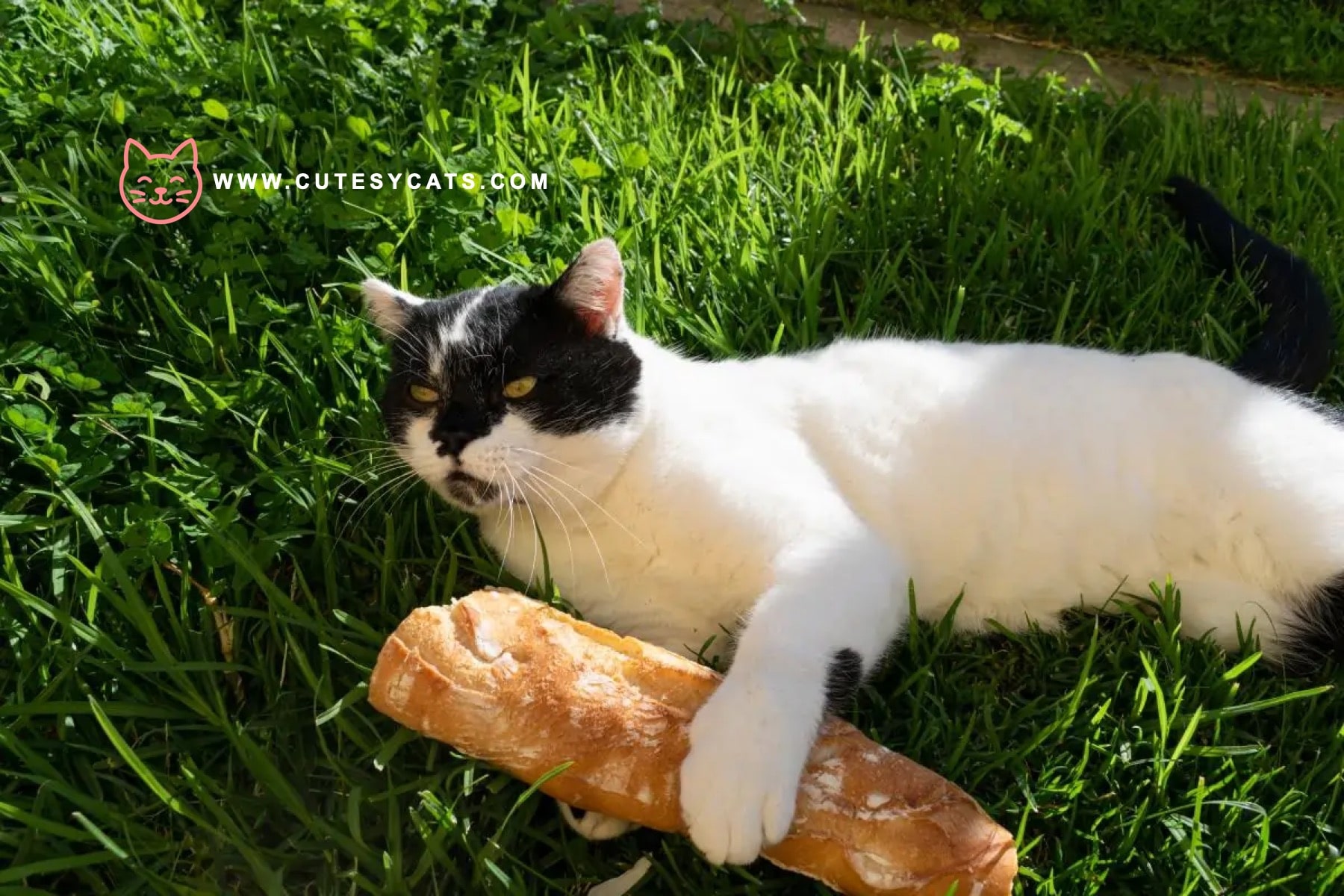
Some breads contain added sugars or seeds that may irritate a cat's digestive system. Salt in certain bread varieties can also affect hydration and kidney health.
Whole grain bread offers slightly more fiber, but cats rarely benefit from this. Fiber may ease occasional constipation but does not provide significant nutrition.
Even small portions of bread should be occasional treats. Treats high in carbs should never make up more than a tiny fraction of daily intake.
Understanding these limitations helps owners offer safe treats without compromising nutrition. Cats thrive on protein rich diets with controlled carbohydrates and healthy fats.
Unexpected Risks Lurking When Cats Snack on Bread
Bread may seem like a harmless treat, but cats can face serious health issues from eating it. Their digestive system is not designed for large amounts of carbohydrates. Even small portions can cause bloating, vomiting, or soft stools in sensitive cats.
Choking is a concern, especially with crusty or dry bread pieces. Cats may swallow chunks without chewing properly, which can block their throat. Owners should always supervise when offering bread and break pieces into small sizes.
Some breads contain salt, sugar, seeds, or other additives that may be harmful to cats over time. Flavored breads or specialty loaves may include toxic ingredients like raisins or nuts. Feeding these even once can put a cat's health at risk.
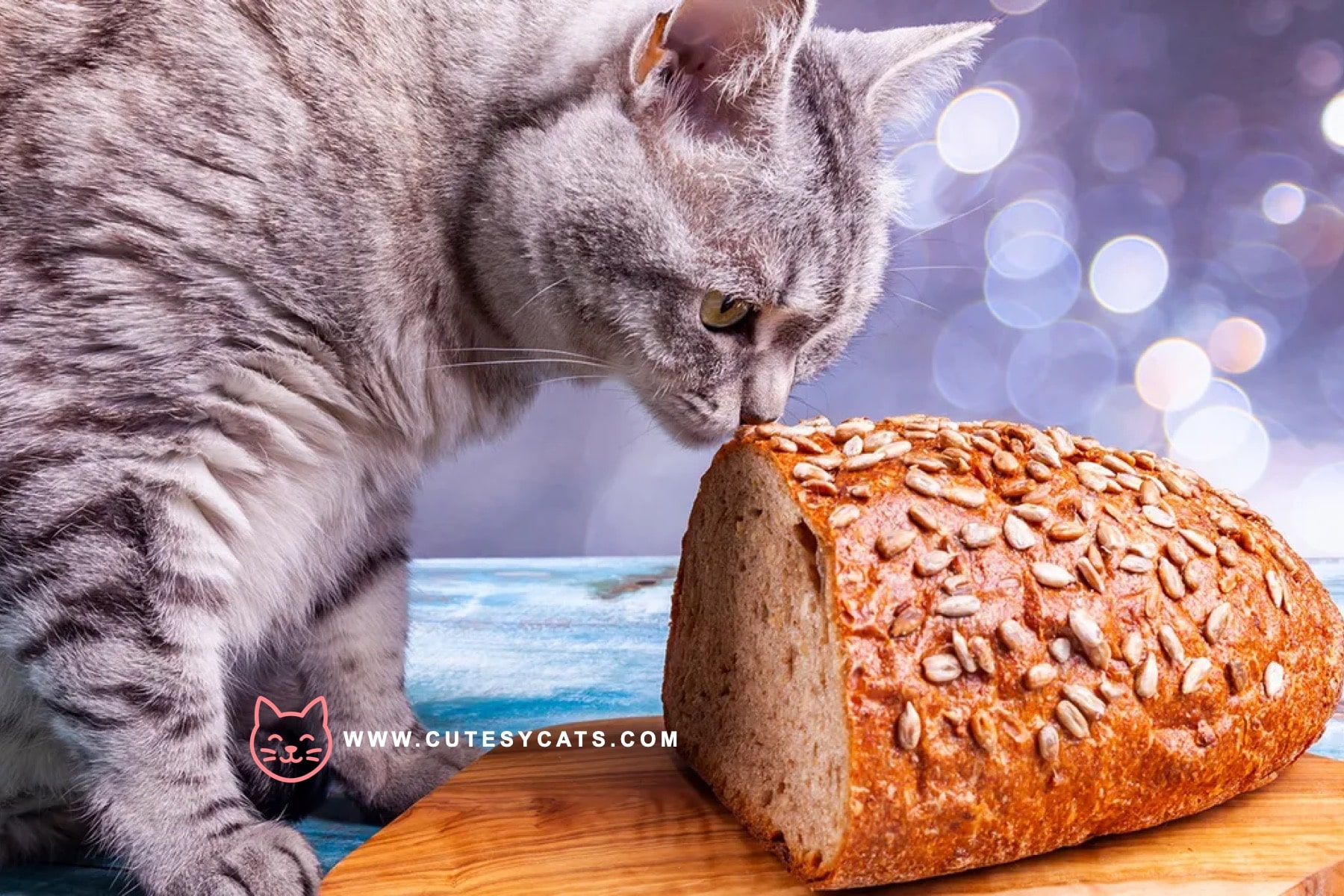
Overeating bread can lead to obesity and increase the risk of joint problems or diabetes. Cats are obligate carnivores, and their metabolism cannot efficiently process excessive carbohydrates. Monitoring portion sizes and limiting bread treats is essential. Regularly checking weight and adjusting food intake helps prevent complications.
Digestive upset may appear hours after eating bread, even if a cat seems fine initially. Symptoms include vomiting, diarrhea, gas, or lethargy. Careful observation after any human food exposure is key to avoiding serious problems.
Bread should never replace a cat's balanced diet full of protein and essential nutrients. Small crumbs may be safe occasionally but provide minimal nutrition. Owners should prioritize high-quality cat food and limit human foods to rare treats. Some cats may still refuse bread entirely, which is a good sign they naturally avoid carbs.
Safer snack alternatives include cooked meat, vegetables, or specially formulated feline treats. These options offer nutrition and avoid risks associated with bread. Choosing cat-safe treats ensures snacking remains enjoyable and healthy. Owners should always monitor portions and opt for products designed for cats.
Understanding the Risks of Different Breads for Cats
White bread is highly processed and contains few nutrients, which can make it hard for cats to digest properly. Its high carbohydrate content can contribute to weight gain. Occasional small crumbs may not cause immediate harm, but frequent feeding is unwise.
Whole wheat bread provides more fiber, but cats often struggle to digest plant-based ingredients efficiently. The bran and grains may cause gas or loose stools. Cats may tolerate tiny amounts, but moderation is critical to avoid gastrointestinal upset.
Flavored breads often contain additives like herbs, sugar, or raisins, which can be toxic to cats. Even small bites can trigger vomiting or diarrhea. Owners should avoid giving any flavored bread to their feline companions.
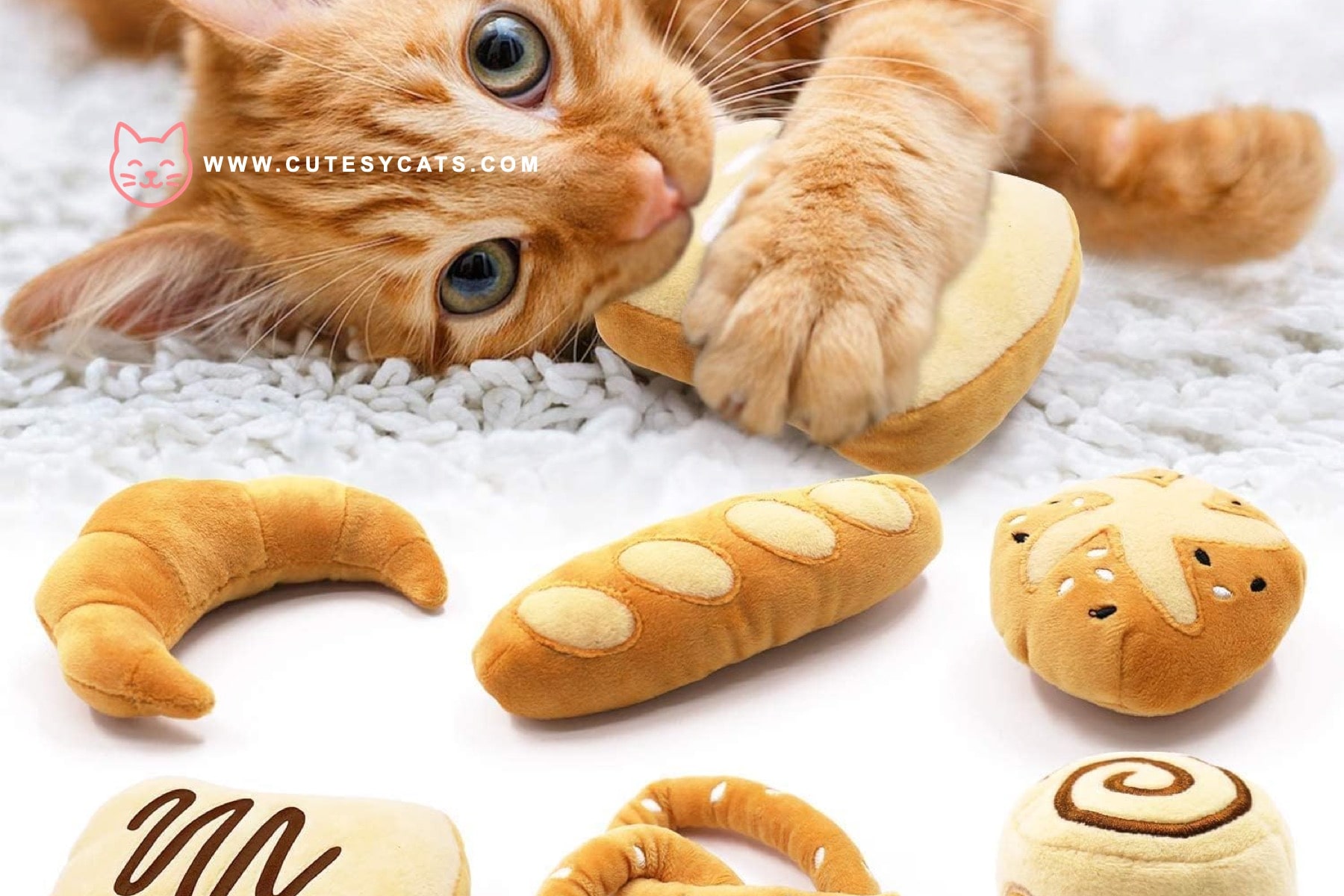
Enriched breads may have vitamins or minerals added for human nutrition, but they offer little benefit to cats. Some enrichment includes calcium or iron that cats do not need. Over time, consuming enriched bread could disrupt nutrient balance in sensitive cats. Extra caution is needed when considering any human food for pets.
Sourdough bread is slightly fermented and may be gentler on digestion, yet it still carries risks due to yeast and salt content. Even a small piece could cause mild bloating or discomfort. Cats should rarely be exposed to sourdough or similar specialty breads.
Bagels, rolls, and breadsticks are dense and often contain seeds or toppings that create choking hazards. Large bites can become lodged in a cat's throat easily. Owners should always break pieces into very small sizes if they choose to offer these occasional treats.
Artisan breads may appear healthy, but they often contain high salt, nuts, or dried fruit. Any of these ingredients can pose serious health issues for cats. Even seemingly safe crumbs can be dangerous for sensitive pets.
Stick to plain, unsweetened bread if you must share tiny amounts, and never let bread replace a balanced diet. Small crumbs for curiosity are usually fine, but feeding bread regularly is discouraged. Observing your cat for any digestive changes helps keep snacking safe and stress free.
How to Keep Bread Treats Safe and Balanced for Cats
Offer only tiny crumbs at a time to prevent overfeeding, and ensure these treats never replace your cat's regular diet. Even small portions can cause digestive upset if given too often. Observing your cat after offering bread helps identify any negative reactions.
Limit servings to one or two small crumbs per day, and do not give bread more than once a week. Cats do not require grains, so frequent servings add unnecessary calories. Breaking the bread into pieces no larger than a pea reduces choking risk.
Avoid adding butter, jam, or spreads, which can be harmful and create excess fat intake. Bread alone is safer, but still should remain an occasional curiosity snack. A cat may sniff, lick, or nibble without needing more than a few bites.
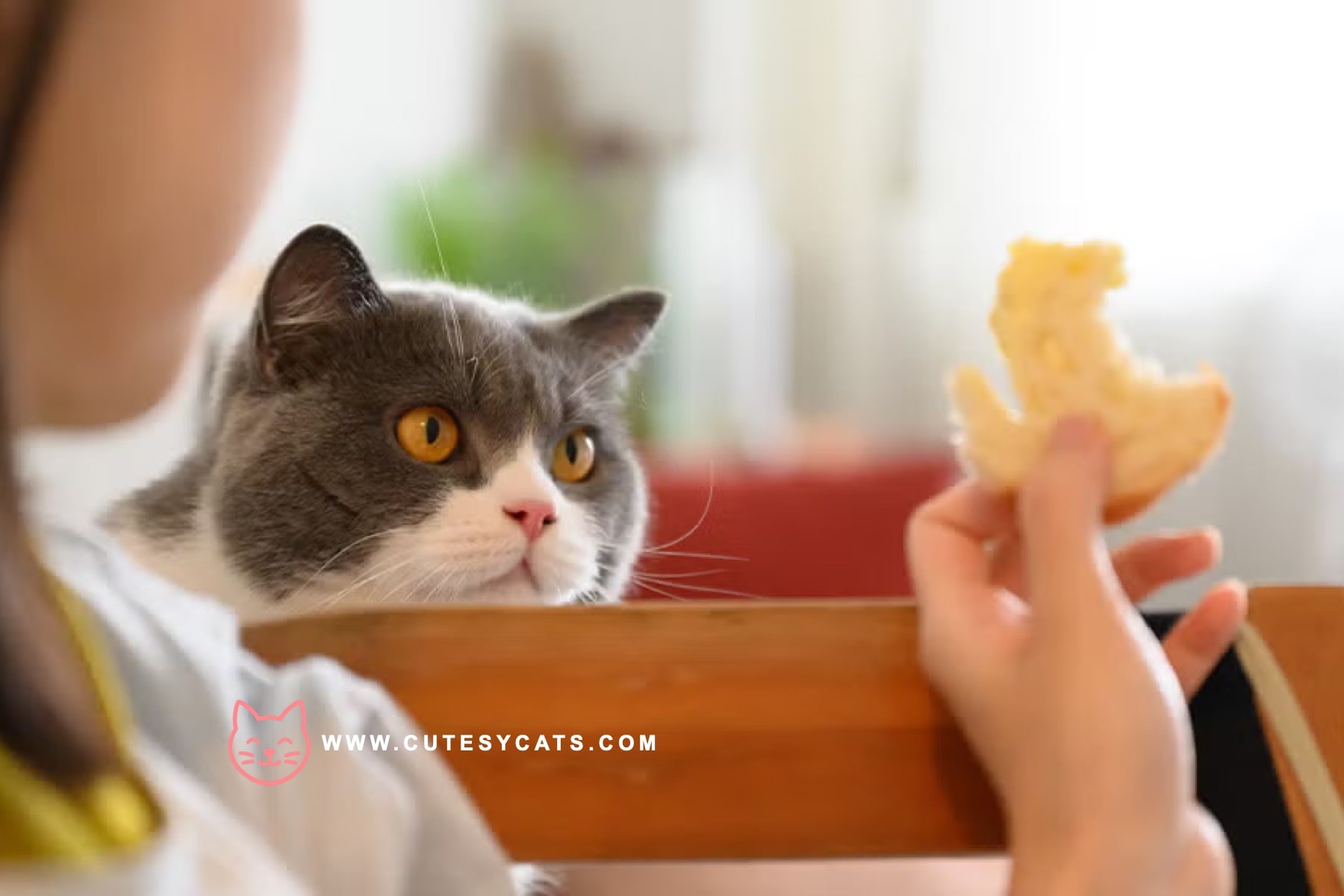
Adjust portion size based on your cat's weight, age, and health status to prevent overfeeding. Younger or very small cats require even smaller amounts. Always prioritize water and complete feline nutrition over human treats.
Use plain bread with no seeds, nuts, or dried fruits, and remove crust if it is hard. Hard crusts can pose a choking hazard, especially for older cats. The interior soft part is easiest for cats to nibble safely.
Bread can be mixed with other safe treats like tiny pieces of cooked vegetables for variety. This encourages curiosity while limiting risk and maintains a balanced approach to occasional snacking. Always supervise your cat when introducing new foods.
Some cats may refuse bread entirely, so do not force them to eat it even if the portion is small. Respecting their preference prevents stress and digestive upset. Observing reactions is the key to safe treat management.
Ensure that bread treats remain rare and minimal, emphasizing that the cat's main diet is nutritionally complete. Tiny occasional crumbs are only for curiosity or play, not sustenance. Moderation and observation are essential for maintaining health.
How to Spot When Bread Does Not Agree with Your Cat
Cats may vomit shortly after nibbling bread, signaling that their stomach cannot tolerate wheat or other grains. Occasional vomiting may be harmless, but repeated episodes indicate a sensitivity. Watching your cat's reaction is essential when offering any new treat.
Soft or loose stools can appear within hours of eating bread, showing digestive upset. Diarrhea that persists more than a day requires veterinary attention. Even small amounts of bread may trigger this reaction in sensitive cats.
Some cats simply refuse to eat bread, turning away or walking from it entirely. Refusal can indicate an instinctive recognition that bread is not suitable. Never force your cat to eat treats, even for curiosity or training.
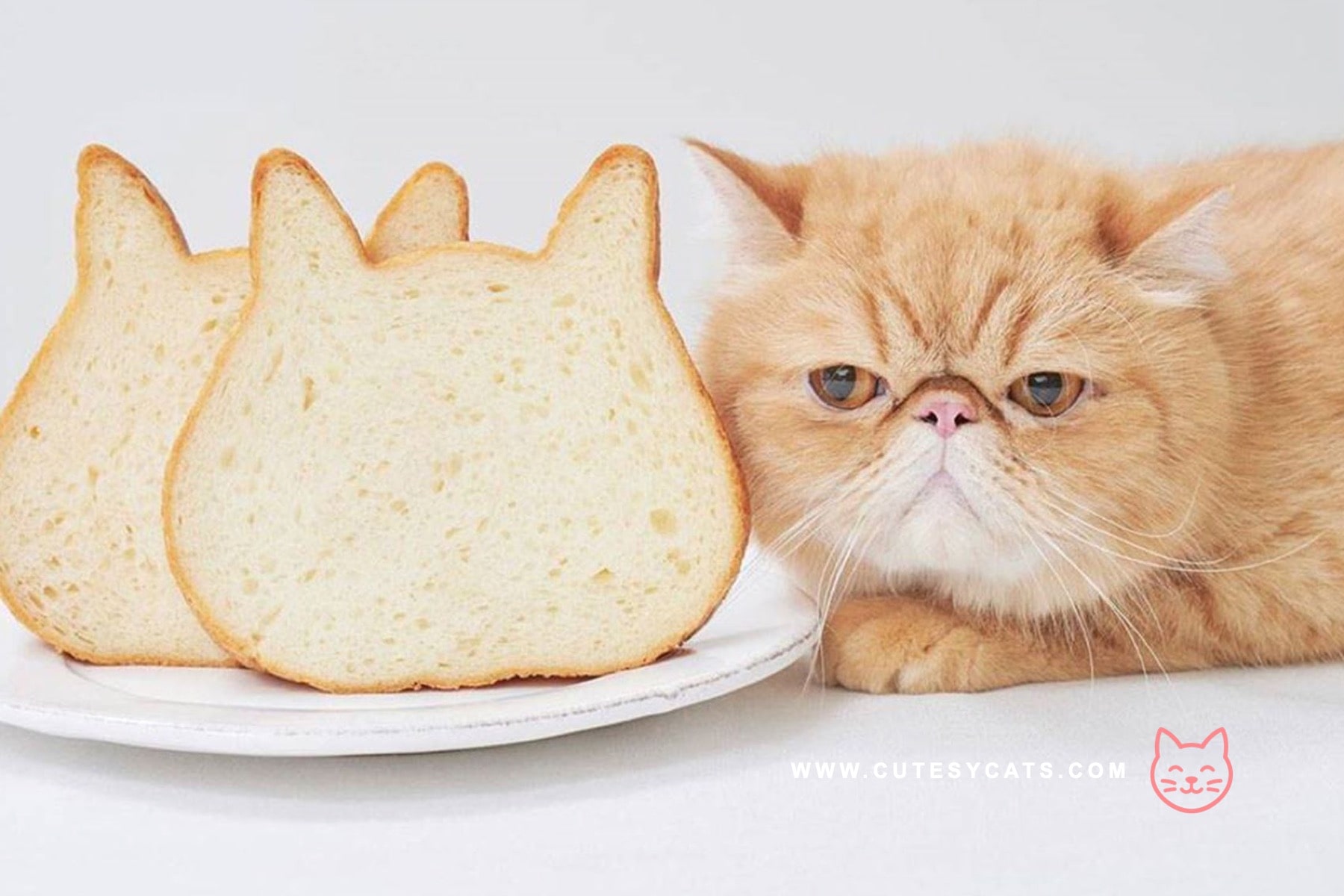
Excessive drooling or pawing at the mouth after nibbling bread may indicate mild irritation or nausea. Monitor your cat closely if these signs appear. These symptoms often resolve quickly once bread is removed from the diet.
Loss of appetite for regular food may coincide with introducing bread treats. Cats that feel unwell may avoid meals or show decreased interest in usual favorites. Persistent avoidance requires discontinuing the bread entirely.
Bloating or abdominal discomfort can occur if a cat consumes bread too quickly. Signs include a distended belly or unusual posture. Preventive measures include offering only tiny crumbs under supervision.
If your cat shows repeated vomiting, diarrhea, or refusal, stop feeding bread immediately and consult a veterinarian. Observing and noting reactions ensures safety for future treat offerings. Early recognition prevents more serious digestive issues.
Mild reactions can sometimes resolve by removing bread from the diet and offering water. Hydration helps ease minor digestive upset, but persistent symptoms should never be ignored. Respecting your cat's tolerance is key to safe treat management.
Cat Treat Ideas That Keep Chewing Safe and Enjoyable
Fresh vegetables like cucumber or steamed carrot pieces provide crunch and hydration without adding harmful ingredients. Cut into small, manageable sizes to prevent choking. These treats are naturally low in calories and easy to digest.
Cooked plain chicken or turkey offers protein that satisfies chewing urges safely. Avoid seasoning as salt, garlic, or onion can harm cats. Serve in small bite-sized pieces to monitor your cat's reaction.
Freeze-dried fish or meat treats give a chewy texture cats often enjoy. They are low in additives and provide essential nutrients for overall health. Always introduce new treats gradually to observe tolerance.
Small amounts of pumpkin or squash can offer fiber that supports digestion while remaining safe for occasional snacking. Too much may cause minor digestive upset in sensitive cats. Introduce in controlled portions to monitor effects.
Catnip or cat grass can stimulate interest and encourage chewing behavior without digestive risks. Some cats nibble gently, while others prefer rubbing or rolling. These options are entirely safe and enjoyable for many cats.
Soft, unsweetened baby food made from meat or vegetables can be a safe treat alternative. Avoid onion, garlic, or added sugar in these products. Serve tiny spoonfuls to see if your cat enjoys them.
Tiny pieces of apple or melon without seeds or skin can offer a crunchy, sweet treat. Introduce only small amounts initially to prevent stomach upset. Some cats may show no interest, which is perfectly normal.
Monitor your cat whenever trying new treats to ensure there is no vomiting, diarrhea, or refusal. Rotate options to maintain interest and balanced nutrition. Choosing safe alternatives prevents digestive issues and supports long-term health.
Smart Ways to Keep Your Cat Healthy While Treating Them
Offering treats should always be done in moderation to avoid disrupting a balanced diet or contributing to weight gain in your cat. Treats should make up no more than ten percent of total daily caloric intake. Monitoring portion sizes helps prevent overeating and digestive upset.
Choose treats that are low in salt, sugar, and artificial additives while still being palatable enough for your cat to enjoy safely. Rotate different safe treat options to maintain interest and nutritional variety. Observe your cat's reaction carefully whenever introducing something new.
Regularly assess your cat's overall diet to ensure they are getting sufficient protein, fat, vitamins, and minerals. Avoid relying on bread, human snacks, or highly processed foods as a primary source of nutrition. Consistent evaluation prevents nutritional deficiencies or imbalances.
Incorporating healthy treats like small pieces of cooked meat, vegetables, or safe freeze-dried options can support engagement and enrichment without harming health. Always adjust portions according to activity levels and body condition. This approach helps maintain a happy and energetic feline.
Monitor your cat for any signs of digestive issues, allergies, or refusal whenever offering new treats. Keeping a record of safe options and portions makes feeding easier. Prioritizing safety and balance ensures your cat enjoys treats without risk.