
Unpacking the Fascination Cats Have with Cheese Treats
Cats and cheese have a long-standing connection in popular culture. Many people remember cats being offered cheese in cartoons and advertisements. Owners often try giving cheese as a treat because of this.
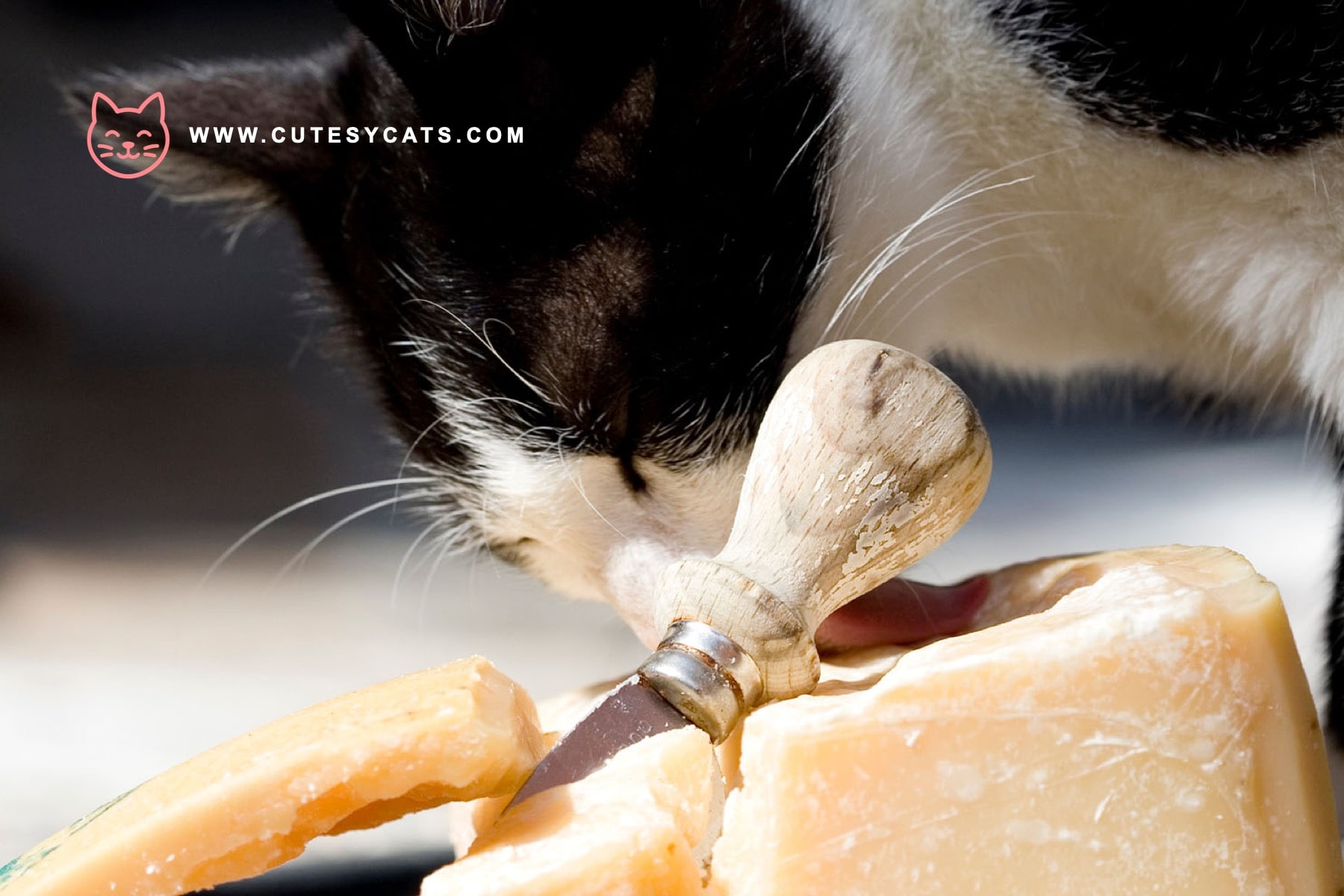
Cheese attracts cats due to its creamy texture. Its strong aroma also appeals to them. This combination can make it a tempting snack during mealtime.
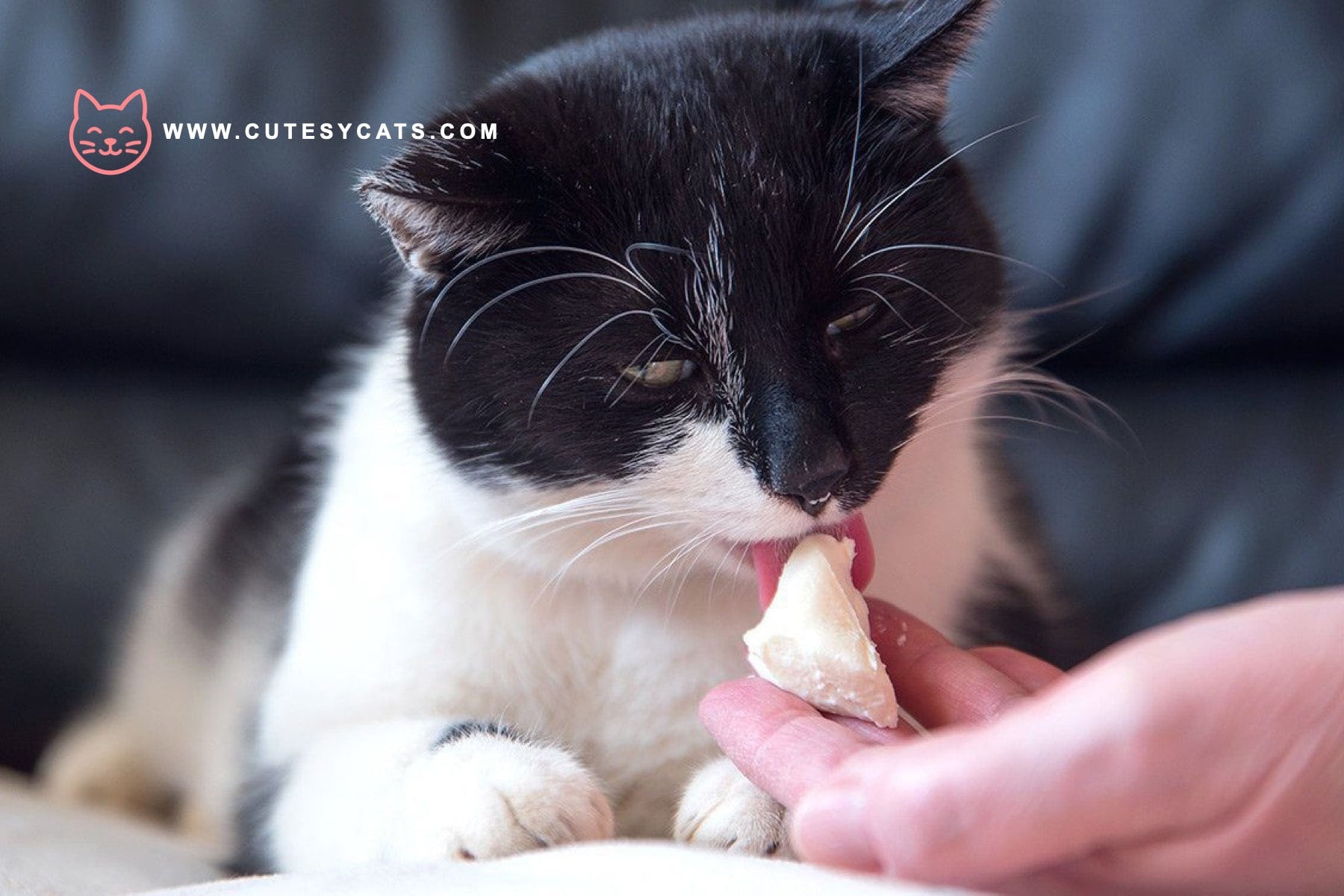
Some cats show an intense interest in cheese. They respond to its fat content or smell. Humans may interpret this as natural preference. Cheese can feel like a reward.
Offering cheese seems like a bonding activity. Not all human foods suit feline digestive systems. Awareness of potential risks is essential. Cats require care with treats.
Understanding cheese's effects helps owners make safe choices. Cats have unique dietary needs that differ from humans. Safe treats keep them healthy. They also prevent digestive upset.
How a Cat's Body Handles Dairy Without Upsetting the Stomach
Cats are natural carnivores, so their digestive systems are built to process protein and fat efficiently. Lactose, the sugar in milk, can be difficult to digest. Some adult cats may tolerate small amounts without issue.
Kittens produce lactase, the enzyme that breaks down lactose, allowing them to safely drink their mother's milk. As they grow, lactase production often decreases significantly. Many adult cats lose the ability to digest lactose fully.
When dairy reaches the small intestine, nutrients like amino acids and fatty acids are absorbed. Undigested lactose ferments in the gut. This can produce gas and sometimes diarrhea. Cats may experience bloating or mild stomach discomfort.
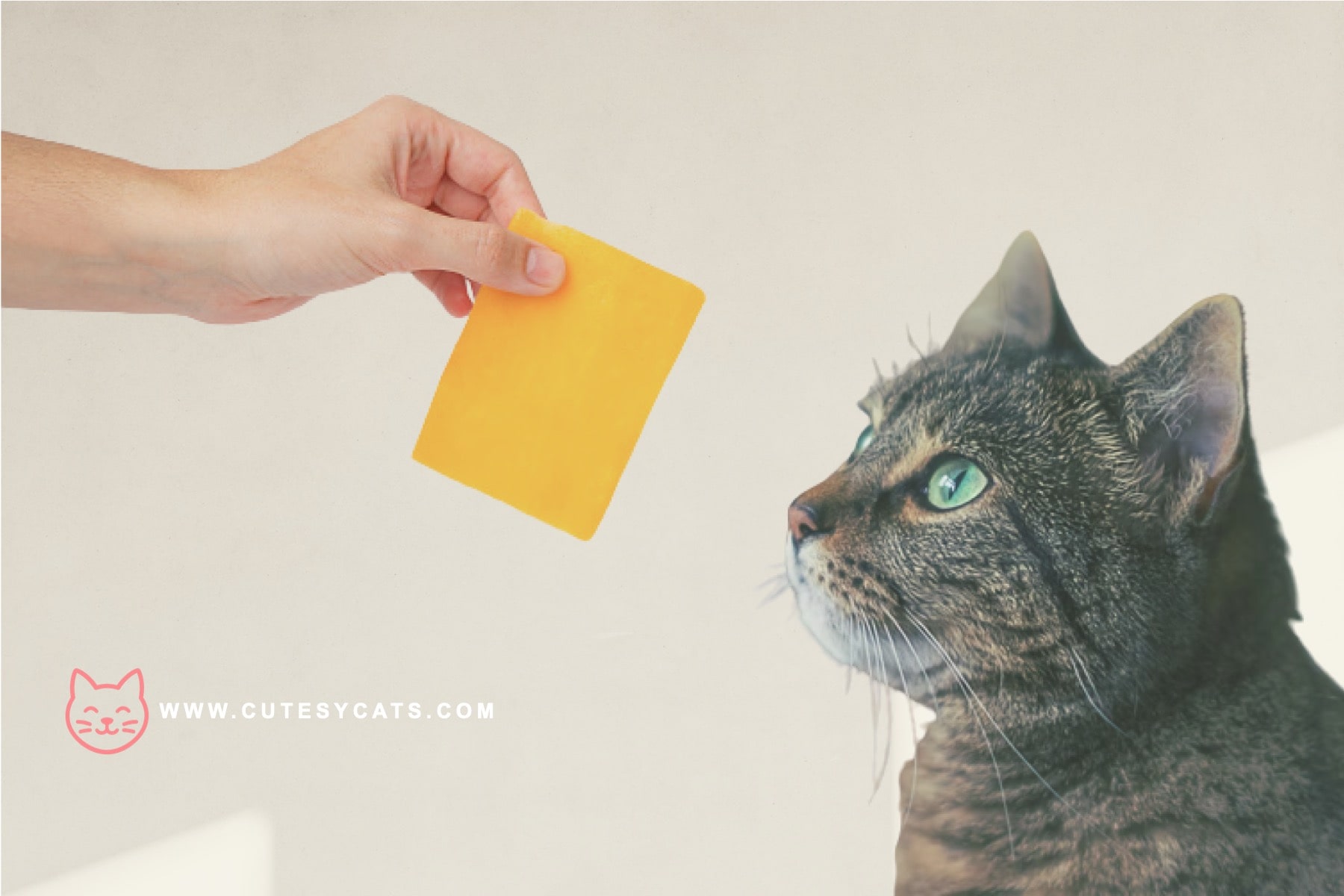
Cheese and milk contain calcium and other nutrients that benefit kittens. Too much dairy can disrupt a balanced diet. Portion control helps prevent digestive upset. Offering dairy occasionally requires careful observation.
Individual cats vary in their tolerance to lactose. Some can handle small treats, while others react immediately. Knowing your cat's digestive response is essential. Observation allows owners to adjust feeding safely.
Symptoms of dairy intolerance include vomiting, loose stools, and abdominal discomfort. These can appear within hours of ingestion. Monitoring your cat after giving dairy is wise. Immediate adjustment can reduce ongoing issues.
A cat's gut health influences how well it handles lactose. Prolonged exposure to dairy may worsen sensitivity over time. Safe alternatives to milk protect digestion and comfort.
Understanding how a cat processes dairy helps owners make informed feeding choices. Each cat's tolerance is different. Awareness ensures both health and happiness while managing treats.
How to Spot When Cheese Upsets Your Cat's Stomach
After eating cheese, some cats may experience diarrhea within a few hours. Loose stools can vary in severity. Owners should monitor for repeated episodes.
Vomiting is another common sign of cheese intolerance. It can occur shortly after ingestion or several hours later. Even small amounts of cheese can trigger this reaction.
Bloating and gas may appear when lactose ferments in the gut. Cats may seem uncomfortable or restless. Appetite can decrease temporarily, affecting normal feeding patterns.
Some cats develop stomach cramps or abdominal tenderness. They might hide or avoid movement. Behavior changes can indicate discomfort. Observation helps determine if dairy is the cause.
Lethargy may accompany digestive upset in sensitive cats. They may sleep more than usual. Playfulness can decline noticeably. Rest periods often increase until digestion returns to normal.
Changes in litter box habits can signal a reaction. Frequent visits or straining may occur. Owners should note these signs carefully. Early recognition helps prevent ongoing discomfort.
Repeated exposure to cheese can worsen sensitivity over time. Even mild initial reactions can escalate with frequent feeding. Moderation is key to avoiding complications.
Not all cats react the same way to cheese. Some tolerate small amounts without issue. Monitoring behavior and digestion ensures their comfort and health.
Recognizing When Cheese Causes Discomfort for Your Cat
Diarrhea often appears soon after a cat eats cheese. It can range from mild to severe. Owners should note how long the symptoms last.
Vomiting may occur with even small amounts of cheese. Cats can vomit immediately or hours later. Some may gag without producing anything. Others might expel partially digested food.
Bloating and gas are common signs of lactose intolerance. Cats may appear restless or uncomfortable. Appetite may decrease temporarily. Playfulness often declines. Owners should monitor carefully.
Stomach cramps can make cats hide or avoid movement. They may seem tense or touch-sensitive. Behavior changes often indicate digestive discomfort. Observing their posture can provide clues.
Lethargy often accompanies digestive upset from cheese. Cats may sleep more than usual and avoid interaction. Appetite and playfulness usually drop significantly. Rest periods increase noticeably. Energy levels may fluctuate throughout the day.
Changes in litter box habits signal a reaction. Frequent visits or straining may occur. Urgency can vary. Owners should watch for lingering signs.
Repeated cheese consumption can worsen sensitivity over time. Mild initial reactions may escalate with frequent feeding. Owners should limit intake. Observing responses carefully can prevent complications. Small amounts occasionally may be tolerated.
Not all cats react the same to cheese. Some tolerate it without issue. Monitoring digestion ensures their comfort. Avoid feeding large portions. Gradual observation helps maintain their health.
Understanding Cheese Varieties and How They Affect Your Cat
Hard cheeses contain more fat and salt than soft varieties. They can upset a cat's stomach if given in excess. Moderation is key for safety.
Soft cheeses are often higher in lactose. Even small amounts can cause digestive issues. Cats may experience bloating and gas. Owners should observe carefully. Some soft cheeses have herbs that may be harmful.
Processed cheeses can include additives and preservatives. These ingredients may trigger stomach upset or allergic reactions. Cats rarely need processed cheese. Occasional tasting should be done with caution. Observing behavior afterward helps prevent problems.
Flavored cheeses with garlic or onion are dangerous. These ingredients can be toxic to cats. Avoid all types containing harmful seasonings. Even tiny amounts may cause anemia. Vigilance is necessary for safety.
Blue cheeses contain mold cultures that may upset digestion. Some cats are more sensitive than others. Symptoms include vomiting and diarrhea. Avoid feeding this type altogether. Occasional exposure is not recommended.
Cheeses with high sodium can strain the kidneys. Cats with pre-existing conditions are especially at risk. Limiting cheese intake helps maintain health. Owners should monitor for thirst or urination changes.
Aged cheeses have concentrated fats and salts. These can trigger pancreatitis in susceptible cats. Serving very small portions is the only safe option. Even then, reactions can vary. Observing closely after feeding is essential.
Not all cheeses are equally harmful, but caution is always needed. Introducing any new cheese should be gradual. Monitor your cat for signs of discomfort. Avoid regular feeding to prevent long-term effects.
How Cheese Nutrients Can Influence Your Cat's Health
Cheese is high in fat which can be difficult for cats to digest. Excess fat may lead to weight gain and pancreatitis. Owners should serve only tiny amounts.
Salt levels in cheese vary widely. Too much salt can strain a cat's kidneys and cardiovascular system. Cats with pre-existing conditions are at higher risk. Monitoring intake is essential.
Protein in cheese can benefit cats, but not all protein is equal. Some processed cheeses contain lower-quality protein sources. Occasional small servings may supplement a cat's diet. Careful selection is key.
High-fat cheeses can increase caloric intake quickly. Even a small slice can add more calories than a cat needs. Over time, this can contribute to obesity. Observing portion sizes is important.
Calcium in cheese supports bone and teeth health. However, excess calcium may cause urinary issues in sensitive cats. Balanced feeding with other nutrients is recommended. Providing occasional treats is safest.
Flavored cheeses often contain additives that affect nutritional balance. Garlic, onion, or herbs can be toxic. Always check ingredients before offering even tiny amounts. Prevention is better than reaction.
Cheese should never replace a cat's main diet. It is a treat rather than a nutritional staple. Serving very small amounts occasionally can be safe. Monitor your cat for digestive issues.
Treats That Give Cats the Taste of Cheese Safely
Some commercial cat treats are designed to mimic cheese flavors without lactose. These can be given in small amounts. They are easier on digestion than real cheese.
Pureed pumpkin or sweet potato can offer a creamy texture cats enjoy. Mixing a tiny amount with regular food can entice picky eaters. These options provide fiber and nutrients. Cats often respond positively to the mild sweetness.
Soft, cooked egg can serve as a protein-rich, cheese-like treat. Eggs are generally safe in moderation. Ensure the egg is fully cooked. Overfeeding can lead to digestive upset. Monitor your cat's reaction carefully.
Unsweetened yogurt made from lactose-free milk is another alternative. Small spoonfuls can mimic the creaminess of cheese. Probiotics in yogurt can support digestion. Always introduce slowly to prevent stomach upset.
Mashed banana offers a soft texture with a naturally sweet flavor. While not like cheese, cats may enjoy the novelty. Serve in tiny portions only. Excess can cause diarrhea.
Occasional nut butters without additives can be given sparingly. A small dab on a toy or finger provides interest. Avoid added sugar or xylitol. Observe your cat for any reaction.
Measuring Cheese Portions to Keep Your Cat Safe and Healthy
Even small amounts of cheese can upset a cat's stomach. Start with a tiny piece to observe any reaction. Watch for diarrhea or vomiting carefully.
Cheese should only be given occasionally, not daily. Overfeeding increases the risk of obesity and digestive issues. A pea-sized amount is usually enough for treats. Cheese is high in fat and salt.
Cats vary in tolerance to dairy. Some may handle a small nibble without issue. Others may react quickly even to tiny amounts. Always monitor your cat's response closely.
Avoid giving cheese as a main treat. It should supplement a balanced diet, not replace proper nutrition. Cheese cannot provide all necessary nutrients. Too much can lead to health problems.
Hard cheeses are often higher in salt. Soft cheeses may contain more lactose. Both types should be limited strictly. Serve only in very small portions. Consider your cat's overall diet carefully.
Introduce cheese slowly if trying as a treat. Begin with a very small amount and wait for 24 hours. Any signs of upset require discontinuing immediately. Avoid repeated exposure if reactions occur.
Use cheese only as an occasional reward. Even tolerant cats should not consume it regularly. Treats should make up no more than 5 percent of total daily calories. Balance is key for long-term health.
Always consult your veterinarian about dietary changes. They can advise on safe treats and quantities. Individual health conditions may make cheese riskier. Safety comes from moderation and observation.
Steps to Keep Your Cat Safe After Eating Cheese
Observe your cat closely after eating cheese. Watch for vomiting, diarrhea, or unusual behavior. Mild reactions may resolve within a few hours.
Provide plenty of fresh water to help your cat stay hydrated. Hydration can reduce discomfort from mild digestive upset. Offer a calm and quiet environment. Keep your cat from running excessively.
If diarrhea or vomiting continues, withhold treats until your cat recovers. Feed small, bland meals to ease digestion. Avoid giving more cheese. Monitor appetite and energy levels carefully.
Record any symptoms to track patterns. This helps if you need to contact a veterinarian. Note the type and amount of cheese eaten. Include timing of symptoms for accuracy.
Consult your veterinarian if reactions worsen or persist. Immediate care may be required for severe vomiting or signs of dehydration. Your vet can recommend treatment.
Avoid giving cheese again if your cat shows intolerance. Even small portions can trigger repeated reactions. Opt for safe, cat-friendly treats instead. Monitor for future dietary sensitivity.
Learn from the experience to prevent future issues. Store cheese securely out of reach. Educate household members about safe feeding practices. Prioritize your cat's health over human convenience.
Smart Ways to Keep Your Cat Happy and Healthy Without Cheese
Offer a balanced diet rich in protein from safe sources. Avoid giving cheese or dairy treats. Your cat will thrive on appropriate nutrition.
Provide cat-safe treats made from meat or vegetables. Rotate flavors to keep your cat interested. Monitor portions to avoid overfeeding. Give plenty of fresh water.
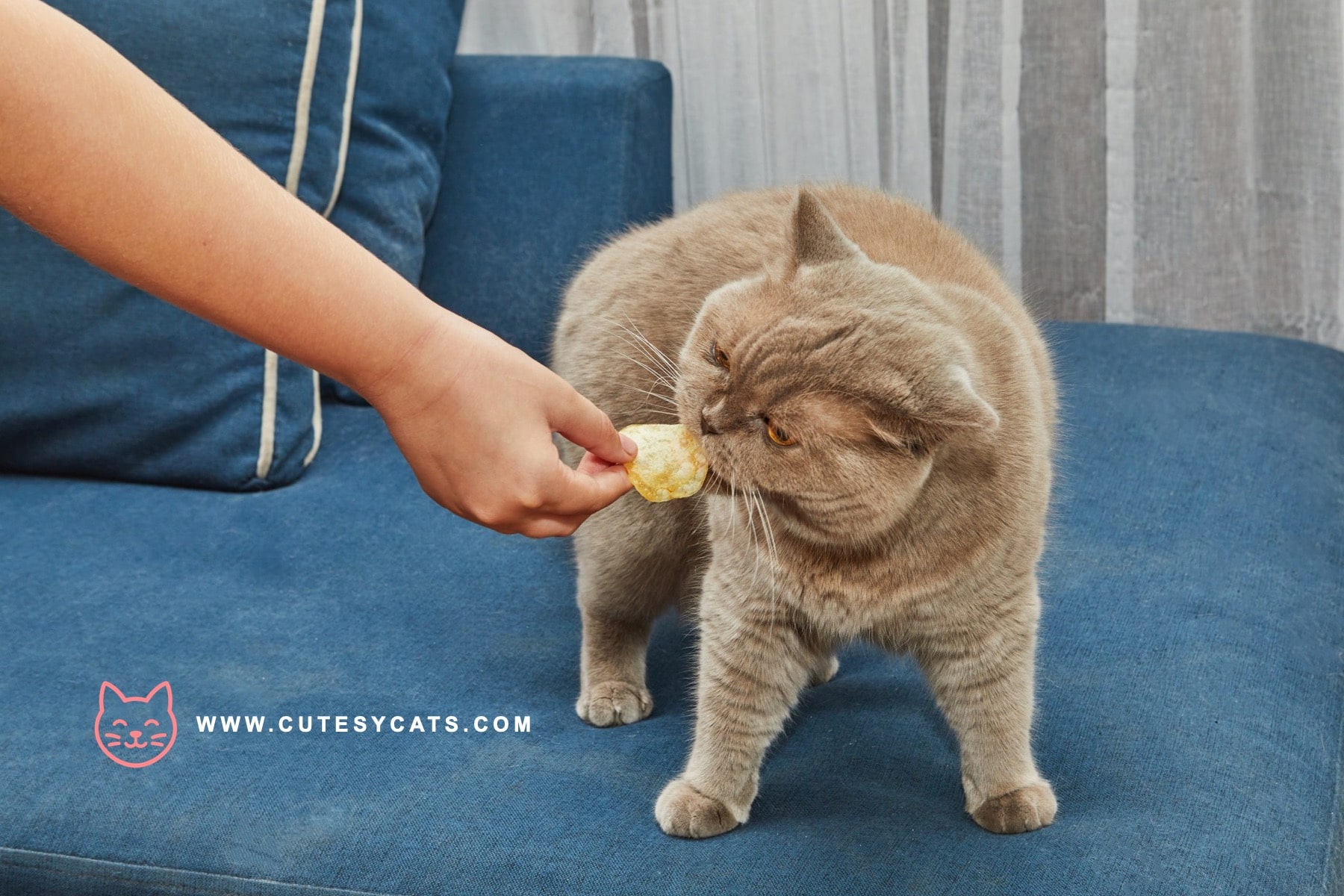
Introduce new foods gradually to prevent digestive upset. Observe your cat's reaction to each addition. Adjust feeding amounts based on activity and weight. Keep mealtime consistent. Record any unusual symptoms.
Encourage play and exercise to maintain overall health. Mental stimulation is just as important as nutrition. Offer interactive toys and safe climbing spaces. Engage in daily play sessions.
Store all human food securely out of reach. Educate family members about safe feeding practices. Reward your cat with approved treats. Prioritize health over convenience.