
When Holiday Magic Fails to Charm Your Feline Friend
Many cat owners picture cozy nights with twinkling lights and warm drinks. Cats, however, sometimes meet holiday cheer with a blank stare. Your kitty may not share the same excitement you feel. This shift can leave you wondering what changed.
Cats thrive on familiar patterns that give them a sense of safety. Holiday preparations can shake that comfort. New objects appear, sounds increase, and routines shift. Your cat may need time to adjust to all these changes.
Felines are sensitive to even the smallest disruptions. A tree in the living room or glittering ornaments can feel intrusive. These additions create new smells and sights that may feel overwhelming. Your cat may withdraw as a way to feel secure.
Visitors also change the energy in your home. Even loved ones can make your cat uneasy if the atmosphere feels crowded. Cats prefer predictable social environments. Small changes can feel large through their eyes.
The holiday bustle often brings elevated noise. Music, wrapping, and lively conversations create a busy setting. These sounds can be stressful for a sound sensitive cat. Your kitty may choose quieter corners instead of the main celebration.
Understanding your cat's reactions makes the season easier for both of you. Your kitty is not trying to spoil the fun. They are simply trying to feel safe. With patience, you can help your cat remain calm during the festive rush.
When Holiday Sounds Turn Your Cat's World Upside Down
Holiday celebrations often bring a rush of cheerful noise that feels lively to us. Your cat, however, may find these sudden sounds unsettling. Their ears pick up even quiet movements, so loud gatherings can feel overwhelming. This sensitivity can make them retreat to distant corners.
Cats rely on calm surroundings to feel secure. Sudden bursts of laughter or clattering dishes break that sense of stability. Even soft background music can feel intense when layered with many other noises. These combined sounds can create a stressful environment for a sensitive feline.
Many cats react strongly to unfamiliar audio patterns. Holiday songs, jingling décor, and moving guests can form a wall of sound. This mix leaves cats unsure of where to focus their attention. They may try to hide to escape the sensory overload.
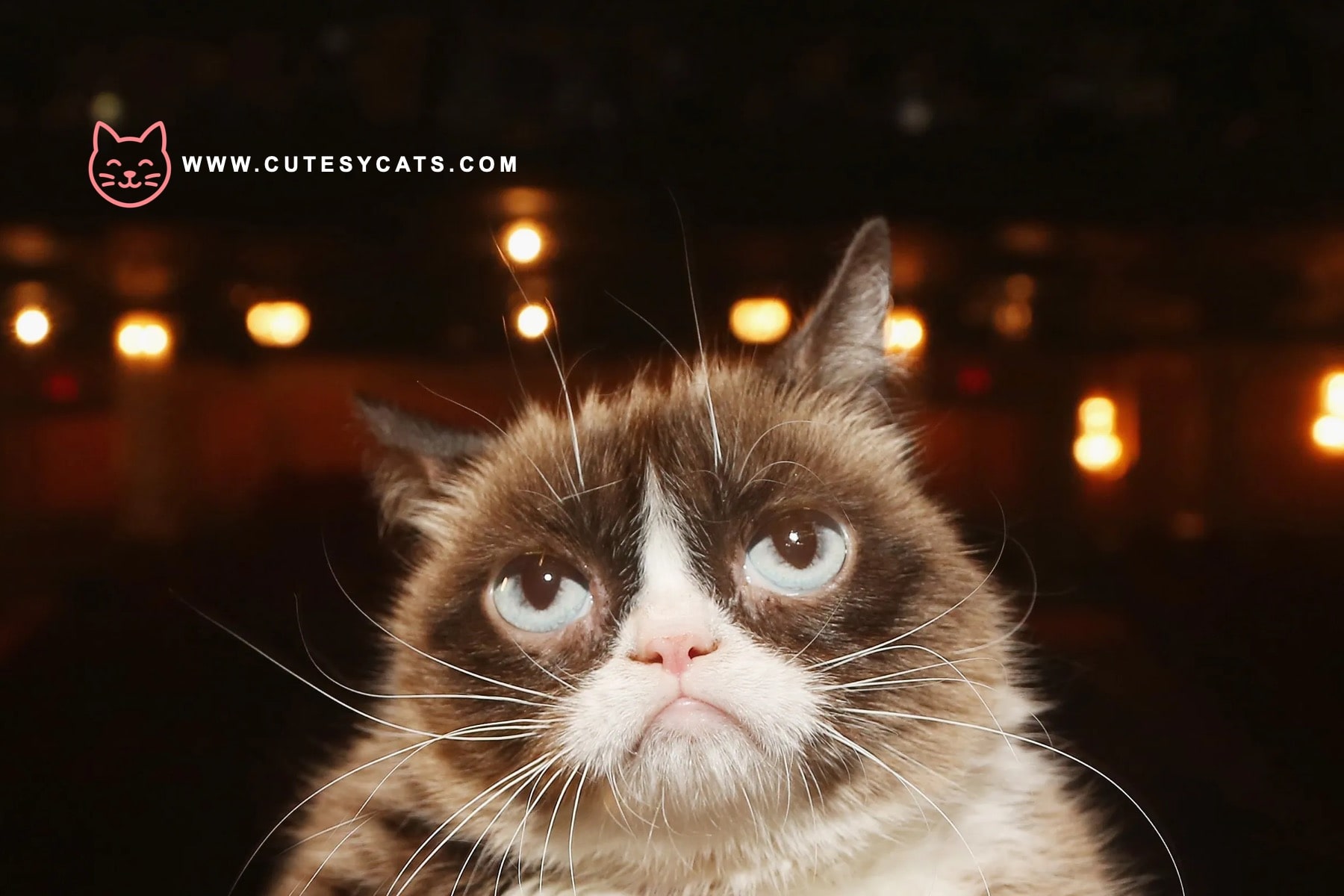
Some cats struggle with irregular noise patterns more than steady noise. Sudden spikes create a startle response that raises their stress level. Repeated surprises can make your cat restless. They may pace or vocalize more just to release tension.
The pressure builds when noise continues for long periods. Celebrations often stretch for hours, leaving your cat without a break. Extended exposure can exhaust them mentally. They may sleep more afterward to recover from the stress.
Cats also react to vibrations that we barely notice. Guests walking with heavy steps or moving furniture can send signals through the floor. These sensations feel sharp and intrusive to a sensitive cat. They may flee to higher areas where they feel safer.
Noise during the holidays changes often and without warning. Your cat cannot predict when the next burst will hit. This uncertainty creates anxiety that can affect their mood. They may appear grumpy simply because they feel unsettled.
Some cats may stop eating or grooming when overstimulated. Their usual routines feel disrupted by constant noise. These changes show that the stress is affecting their daily comfort. Quiet time becomes essential for restoring their balance.
Understanding your cat's sensitivity helps you support them during festive events. Offering peaceful retreats and gentle reassurance can make a huge difference. Your cat is not cranky without reason. They are reacting to a world that suddenly feels too loud.
When Unfamiliar Visitors Turn Your Cat's Calm World Unsteady
Many cats feel anxious when new people enter their space. They see strangers as unpredictable, which makes them cautious. This discomfort grows when the home feels crowded. Your cat may retreat to observe from a safe distance.
Cats rely on routine to feel secure. Holiday gatherings disrupt their stable environment with new scents and movements. Unfamiliar guests may try to interact too soon. This pressure can make your cat feel trapped.
Some guests may approach with loud voices or quick motions. Cats interpret these actions as threats instead of friendly gestures. They respond by hiding or keeping their bodies low. Their main goal is to avoid conflict.
Cats also depend on scent to identify who belongs in their territory. New faces bring unfamiliar odors that feel intrusive. These scents linger on couches, floors, and clothes. Your cat may pace as they try to process the changes.
A cat that feels cornered may show defensive behavior. They may hiss, swat, or tuck their tail tightly. These signals reflect fear rather than aggression. Your cat simply wants space and control.
Holiday social activity often removes quiet escape paths. Guests block familiar routes or rest in places your cat uses for safety. This lack of easy hiding spots heightens their stress. They may act grumpy because they feel trapped.
You can support your cat by offering protected retreats. Provide access to quiet rooms and high perches. Let your cat choose when to interact. This freedom helps them feel safe even when the house is full.
How Holiday Scents and Decor Shake Your Cat's Peaceful Comfort
Holiday scents can overwhelm a cat that depends on familiar smells to feel safe. Strong candles, air fresheners, and cooking aromas mix in the air. These scents create a confusing environment. Your cat may respond by hiding or acting tense.
Decorations add more challenges because they change the layout of your home. A tree or wreath alters your cat's usual pathways. New objects make them unsure about where to step or rest. This shift in their territory raises their stress.
Cats often inspect items with caution before accepting them. Holiday decorations appear suddenly and in large numbers. Your cat may feel unsettled by shiny objects and moving pieces. Even soft lights can make them uneasy.
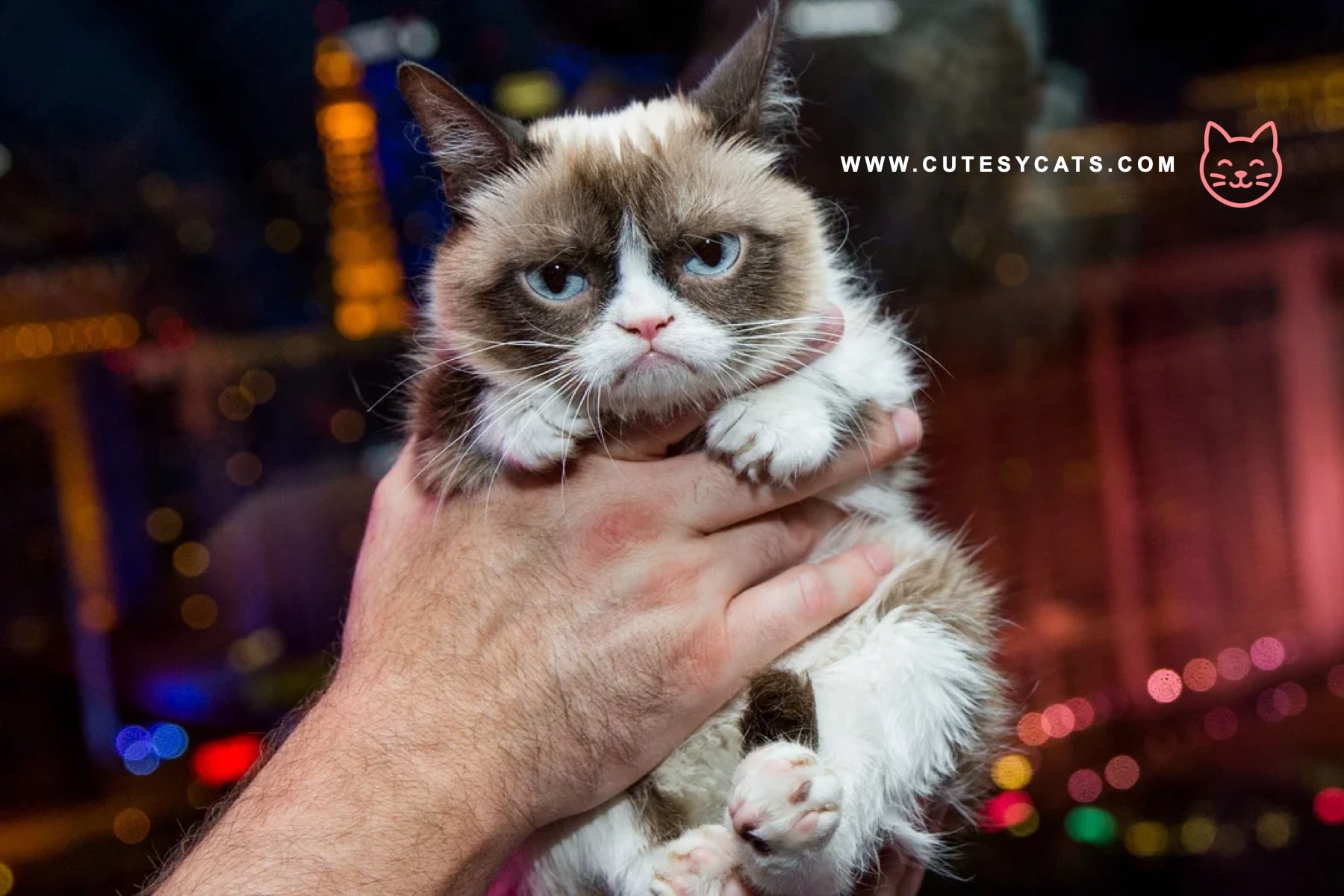
Some decorations carry strong scents from storage. Dust, plastic, or natural plant smells cling to them. These unfamiliar odors can bother your cat's sensitive nose. They may avoid areas they normally love.
Holiday trees introduce many new sensations. The branches create odd shadows and sounds. Your cat may worry about what hides behind them. Even artificial trees carry smells that may feel strange.
Seasonal candles and warmers add another layer of scent intensity. Cats experience these smells much more strongly than people do. Heavy fragrances can make them stressed or restless. They may leave the room to escape the aroma.
The combination of scents and decor can overwhelm even confident cats. Giving them quiet zones helps them regain comfort. Try offering familiar blankets or toys to restore their sense of stability.
How Holiday Schedule Changes Can Throw Your Cat's Comfort Off Balance
Cats thrive on consistency and predictability to feel secure. Holiday events often disrupt feeding and play routines. These changes can make a normally relaxed cat anxious. Even small adjustments can affect their daily comfort.
Visitors arriving at unusual times can add stress. Your cat may miss their usual quiet periods or nap times. They might pace or hide when routines are altered. This disruption can make them appear grumpy or withdrawn.
Meal times may shift due to cooking or gatherings. Cats rely on regular feeding to maintain health and mood. Skipped or delayed meals can increase irritability. Your cat may meow or nudge for attention more than usual.
Playtime and exercise schedules can also change. Busy households may limit opportunities for interactive sessions. Cats may feel restless without their usual stimulation. Providing consistent short play sessions helps them cope.
Even small environmental changes affect sensitive cats. Rearranged furniture or blocked pathways can add to their stress. They may act out or retreat more frequently. Maintaining some familiar spaces reassures them.
Keeping a holiday calendar for your cat's needs can help. Stick to feeding, play, and rest times as much as possible. Offer quiet retreats to reduce stress. This balance helps your cat navigate holiday chaos peacefully.
Why Holiday Party Excitement Can Overwhelm Your Cat's Senses
Cats are naturally quiet creatures who prefer calm environments. Holiday gatherings often introduce loud voices, laughter, and music. These sudden noises can make your cat feel uneasy. Overstimulation can lead to hiding or restless pacing.
Excited guests moving rapidly may startle your cat. They might retreat to high or secluded areas for safety. Unfamiliar movements can trigger stress responses. This can make even friendly cats seem irritable.
Bright lights, decorations, and reflective ornaments add visual chaos. Cats may struggle to focus or find comfort in familiar spaces. Their heightened senses make them sensitive to constant changes. Overstimulation can cause anxiety or withdrawal.
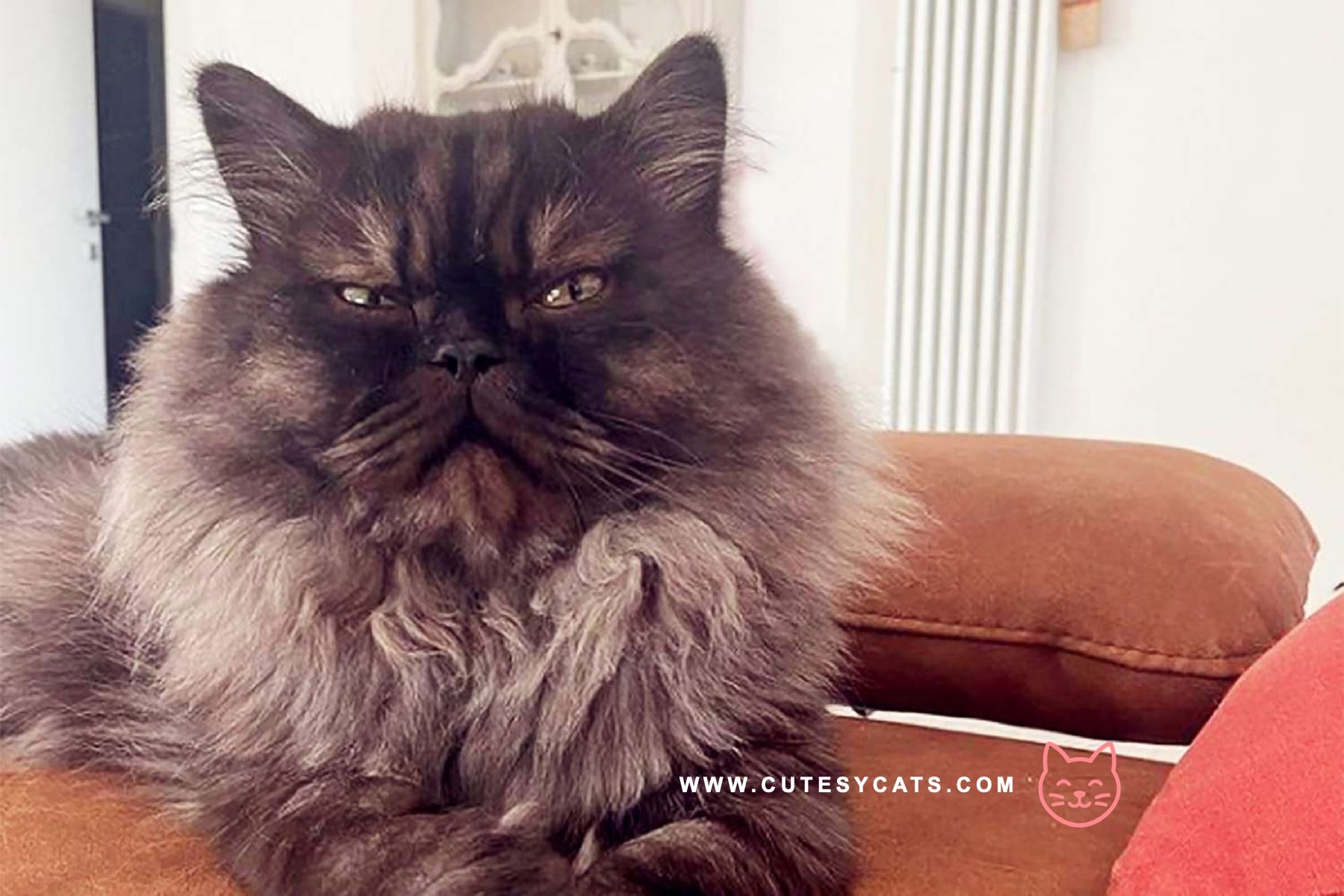
Strong scents from cooking or candles may intensify their stress. Cats have acute smell perception. New aromas combined with noise and movement overwhelm them. This sensory overload can affect their appetite and behavior.
Playful children often chase or approach cats suddenly. Such interactions may frighten or confuse a cat. Even gentle pets can feel like threats. Cats may hiss or swat to communicate discomfort.
Pets may compete with guests for attention. Cats accustomed to calm interactions may feel pressured. They may vocalize more or retreat to quiet areas. This tension can reduce their holiday enjoyment.
Long exposure to noise and excitement can have lasting effects. Stress can impact sleep, appetite, and overall mood. Sensitive cats may develop temporary irritability. Providing consistent safe spaces helps them recover.
Offering a quiet retreat is essential for wellbeing. Provide cozy hiding spots away from the main activity. Regular play and familiar routines reassure your cat. Minimizing overstimulation lets them observe festivities safely without anxiety.
Recognizing Early Clues That Your Cat Feels Stressed and Uneasy
Cats communicate stress subtly through behavior and body language. Watch for tucked tails or flattened ears. These are early indicators of discomfort. Recognizing these signs can prevent escalation.
Excessive grooming may signal anxiety. Cats might lick themselves until fur becomes patchy. Overgrooming is often overlooked as stress. Observing grooming habits helps identify underlying tension.
A sudden change in appetite can reveal unease. Cats may refuse favorite foods or eat less. Food avoidance often indicates emotional or environmental stress. Early detection allows timely intervention.
Vocalizations may increase during stressful situations. Meowing, growling, or hissing can occur more frequently. Cats use sound to communicate discomfort. Listening carefully to tone and frequency is important.
Hiding in unusual spots is another signal. Cats often seek quiet areas when feeling overwhelmed. They may avoid usual resting places. Providing safe retreats reduces anxiety and promotes calm.
Restlessness or pacing can indicate stress buildup. Cats may move continuously or appear unsettled. This behavior often precedes more noticeable signs. Tracking movement patterns helps monitor wellbeing.
Changes in litter box habits may occur. Stress can cause urination outside the box or irregular elimination. Such changes are clear indicators of discomfort. Quick action can prevent behavioral issues from worsening.
Offering safe, familiar environments helps cats manage stress. Regular routines, cozy spaces, and minimal disruption are key. Recognizing subtle signals allows prompt support. This approach keeps cats comfortable during busy times.
Gentle Actions That Restore Peace and Comfort to Your Cat
Create quiet zones for your cat during gatherings. Provide cozy beds and high perches to offer safety. Minimizing loud noises helps them feel secure. Comfort spaces reduce stress effectively.
Offer familiar toys and scratching posts. These items provide both entertainment and reassurance. Engaging with them gently strengthens trust. Playtime can help release tension naturally.
Maintain regular feeding schedules. Predictable meal times create a sense of stability. Cats feel more secure when routines are consistent. This reduces anxiety during busy periods.
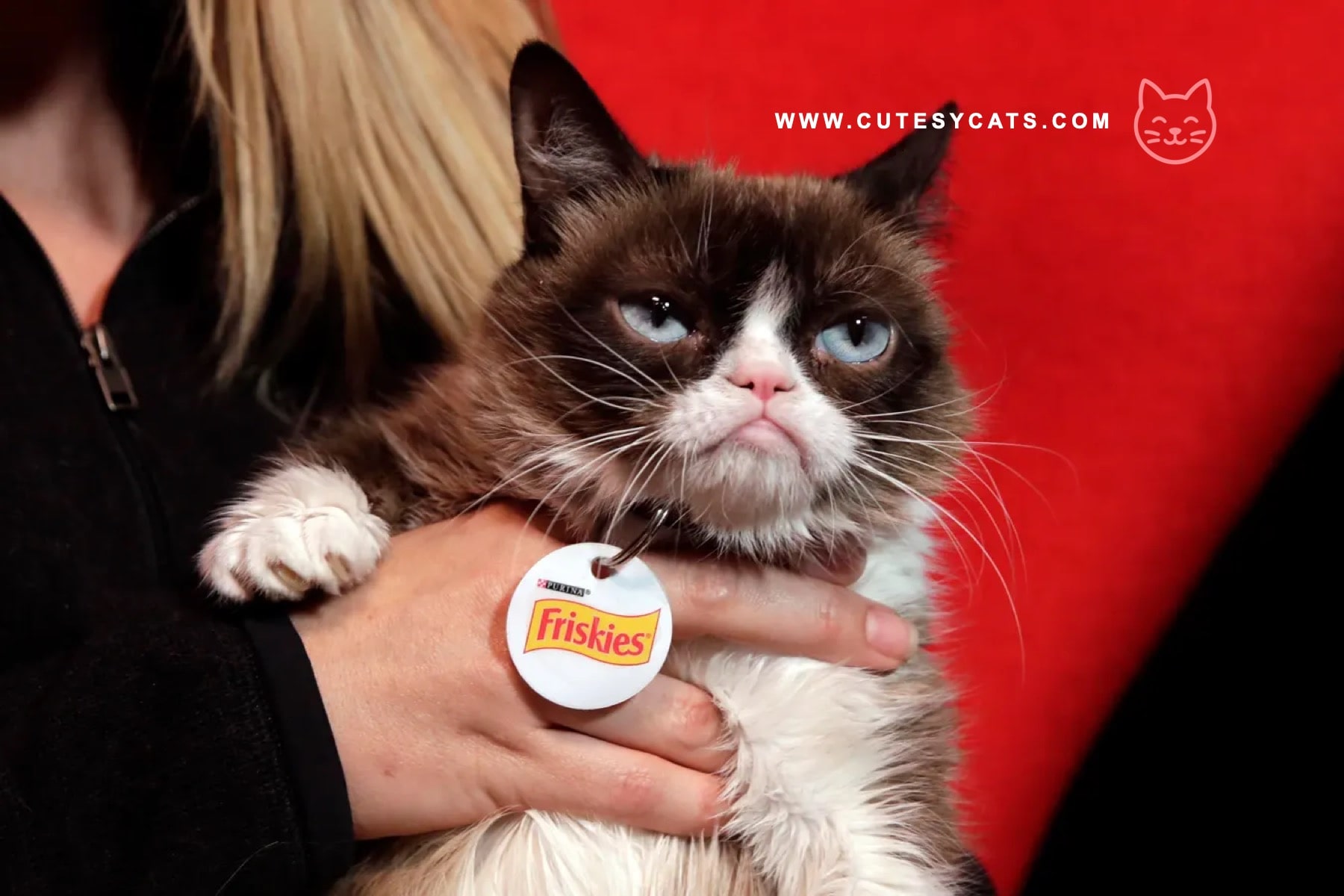
Use soft, calming tones when speaking. Avoid sudden loud noises or abrupt movements. Your voice can soothe rather than alarm. Reassuring communication encourages relaxation.
Limit exposure to strangers or unfamiliar pets. Gradually introduce new guests in controlled environments. Cats feel overwhelmed by too many new faces. Careful management prevents stress escalation.
Incorporate gentle pheromone diffusers if needed. These can signal safety and calm to your cat. Pheromones mimic natural scents that promote relaxation. Placement in favorite spots works best.
Provide access to favorite hiding spots. Boxes, cabinets, or quiet corners allow retreat when overwhelmed. Cats often use these areas to self-soothe. Respecting their space is essential.
Monitor behavior continuously and intervene if stress persists. Recognize subtle signs like pacing or excessive grooming. Early action prevents serious anxiety. Supporting your cat fosters long-term calm.
How to Build a Quiet Sanctuary Your Cat Will Cherish
Select a room away from the main party area. Close doors to limit noise and foot traffic. Make sure the space feels familiar and safe. Comfort helps reduce stress significantly.
Include cozy bedding and soft blankets. Cats enjoy snuggling in warm, secure spots. Adding favorite toys enhances their sense of security. Rotate items occasionally to maintain interest.
Keep food and water accessible in the retreat. Cats feel more relaxed when basic needs are met nearby. Predictable access reinforces a safe environment. Avoid moving dishes during parties.
Provide vertical spaces like shelves or cat trees. Elevated areas give cats control over their environment. They can observe without feeling threatened. Height encourages confidence and calm.
Use calming aids such as soft music or pheromone diffusers. Gentle background noise can mask holiday chaos. Scents that mimic feline comfort signals promote relaxation. Position devices near favorite spots.
Check on your cat regularly but avoid forcing interaction. Let them choose when to engage. Respecting their boundaries supports trust and reduces anxiety. This keeps the retreat effective.
Making the Holidays Enjoyable for Both You and Your Cat
Holiday gatherings can be stressful for cats, but thoughtful planning keeps them safe. Understanding feline behavior helps prevent fear and frustration. Small changes create a calmer environment.
Providing quiet retreats and familiar items reduces stress effectively. Cats appreciate having control over their surroundings. Respecting their space allows them to relax naturally.
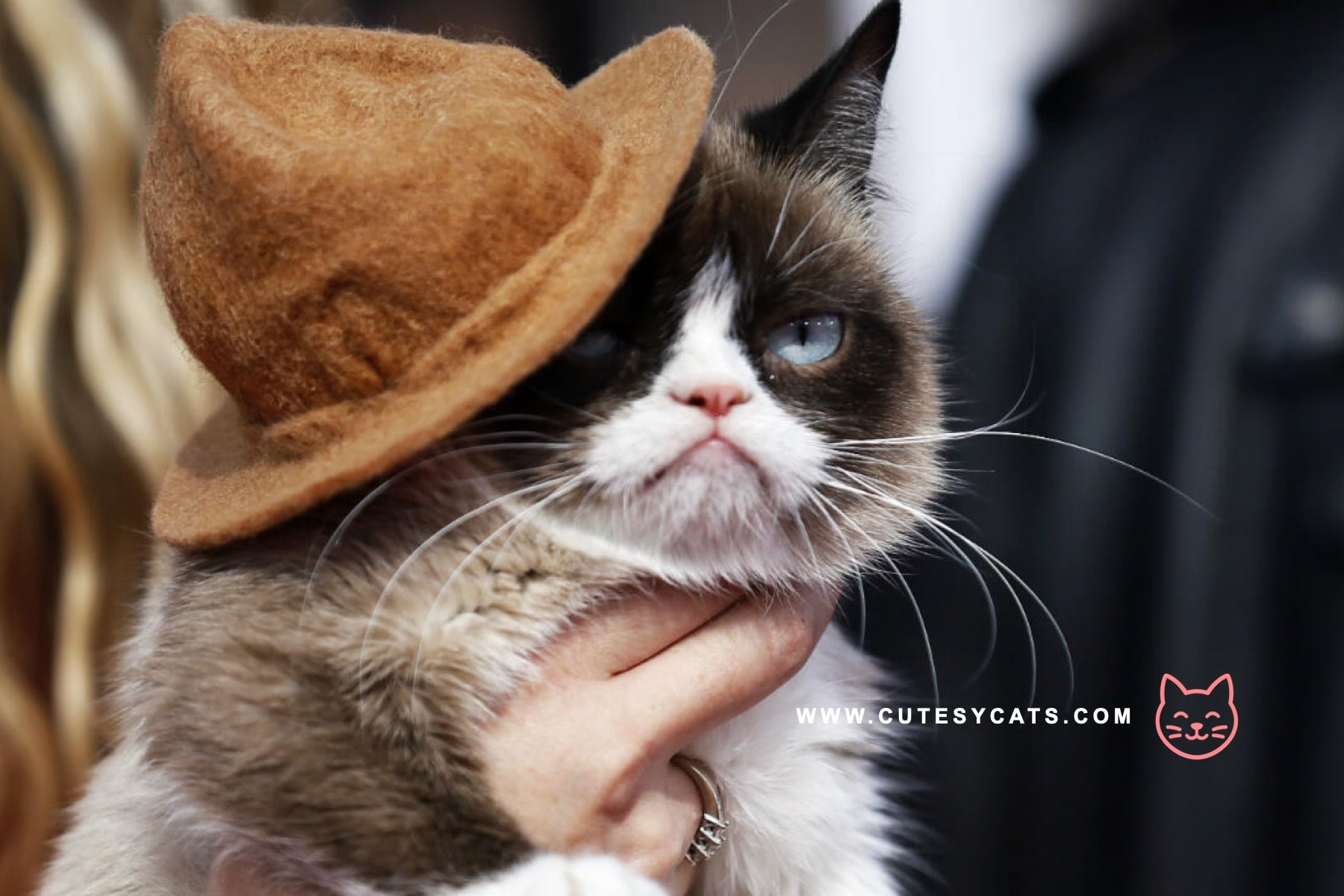
Monitor your cat for signs of discomfort throughout the festivities. Early intervention prevents escalation of stress. Responding promptly maintains your cat's wellbeing and comfort.
Engaging your cat with gentle play or affection helps them feel included. Interaction should always respect their boundaries. Positive experiences encourage trust during busy seasons.
With preparation and awareness, both cats and humans can enjoy celebrations. Creating a peaceful atmosphere strengthens bonds and ensures safety. Everyone benefits from a stress-free holiday.