
Understanding Why Some Cat Owners Think Garlic Could Be Safe
Cats are curious and often watch their owners cook or eat. Garlic is common in many human dishes and has a strong aroma. Some owners wonder if a small taste could be safe. Temptation may lead to offering garlic as a treat.
Many people assume garlic is healthy for pets because of its antioxidants. Humans benefit from certain compounds that support immunity. Cats, however, have very different digestive and metabolic systems. What is safe for humans is not always safe for felines.
Garlic can appear in raw, cooked, or powdered forms in kitchens. Owners may not realize that all forms contain compounds harmful to cats. Even trace amounts can cause health problems over time. Awareness is key to keeping pets safe.
The allure of sharing food creates a bond between cats and owners. Treating a cat with something you enjoy feels rewarding. Unfortunately, garlic can be toxic and cause serious health issues. Educated choices prevent accidental poisoning.
Understanding the risks before feeding garlic is essential. Cats rely on owners to protect their wellbeing. Observing curiosity safely ensures pets remain healthy. Preventing exposure is always better than treating complications.
What Nutrients Garlic Contains and Why Cats Handle Them Differently
Garlic contains vitamins such as C and B6 that support human immunity and metabolism. These nutrients help protect cells from damage. Humans benefit from regular consumption in moderate amounts. Cats, however, cannot process these vitamins the same way.
Minerals like calcium, manganese, and selenium are present in garlic. These minerals strengthen bones and support human enzyme functions. Cats need minerals in specific ratios for optimal health. Too much or the wrong type can cause stress on organs.
Garlic also contains antioxidants that fight free radicals in humans. Compounds like allicin may support heart and immune health. Cats' bodies cannot safely handle these compounds. Exposure can cause oxidative damage instead of protection.
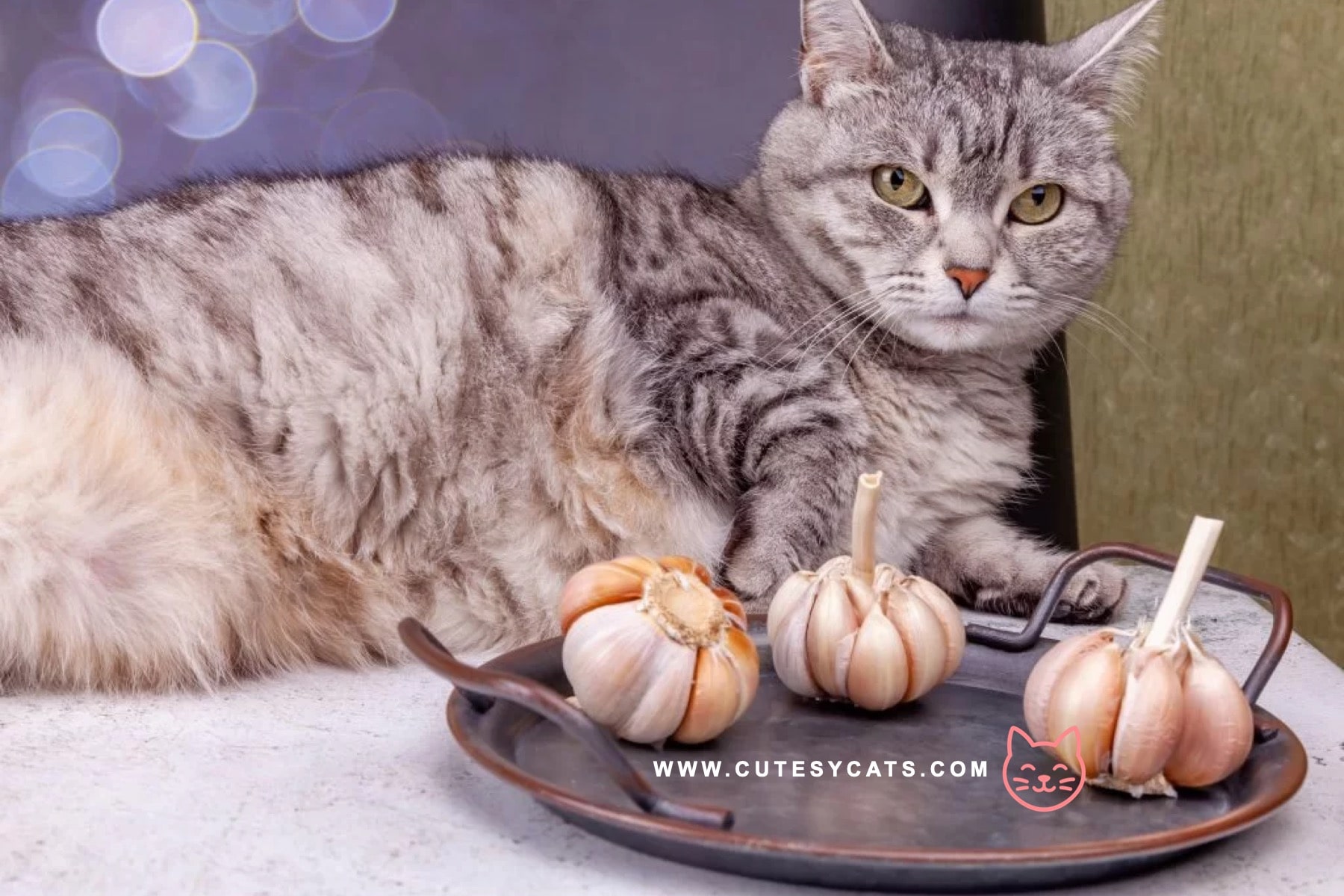
Humans often consume garlic for cardiovascular benefits. It may reduce inflammation and improve circulation. Cats have very different cardiovascular needs. Benefits for humans do not translate safely to felines.
Raw garlic provides higher nutrient concentrations than cooked forms. Cooking may reduce potency but does not remove toxic compounds. Cats are sensitive to both raw and cooked garlic. Even small amounts can be dangerous.
Garlic supplements are designed for human consumption. They contain concentrated forms of nutrients and active compounds. These concentrations are far too strong for cats. Supplements can trigger toxicity or anemia in felines.
Some recipes include powdered garlic as a flavoring. Powdered garlic contains the same harmful compounds as fresh garlic. It is easier to accidentally give toxic amounts this way. All forms of garlic should be avoided for cats.
Understanding the nutritional differences between humans and cats is crucial. What is healthy for people may be harmful for pets. Awareness helps prevent accidental exposure. Safe feeding ensures long-term feline wellbeing.
How Garlic Compounds Can Seriously Harm Your Cat's Health
Garlic contains thiosulfate, a compound toxic to cats even in small amounts. Thiosulfate damages red blood cells, leading to anemia. Cats are particularly sensitive because they cannot metabolize it efficiently. Effects may appear hours or days after ingestion.
Other sulfur-containing compounds in garlic can irritate the gastrointestinal tract. Vomiting, diarrhea, and stomach pain are common signs of exposure. Even a tiny amount can trigger digestive upset. Chronic exposure increases the severity of these issues.
Oxidative damage from garlic compounds can stress organs over time. The liver and kidneys may struggle to process toxins. This can worsen existing health conditions in cats. Monitoring and prevention are critical for safety.
Garlic can also impact oxygen transport in the blood. Damage to red blood cells reduces oxygen delivery to tissues. Cats may appear weak, lethargic, or pale. Severe cases require urgent veterinary care.
Even powdered or cooked garlic retains toxic compounds. Cooking does not neutralize thiosulfate, making all forms unsafe. Small additions in food or seasoning can still be dangerous. Avoiding exposure entirely is the safest choice.
Cats' small body size increases the risk of poisoning. What may be safe for humans is toxic for felines. Owners must understand these risks to protect their pets. Prevention is the most effective way to ensure health.
Warning Signs That Your Cat May Be Suffering from Garlic Toxicity
One of the first signs of garlic poisoning is vomiting. Cats may also experience diarrhea and abdominal discomfort. Digestive upset can appear within hours of ingestion. Prompt attention helps prevent worsening symptoms.
Lethargy is a common indicator of toxicity. Cats may seem unusually tired or less active. Even minor exposure can affect energy levels. Monitoring behavior is important for early detection.
Pale gums and weakness suggest anemia caused by red blood cell damage. This condition reduces oxygen transport throughout the body. Severe anemia can lead to rapid heartbeat or collapse. Veterinary care is crucial at this stage.
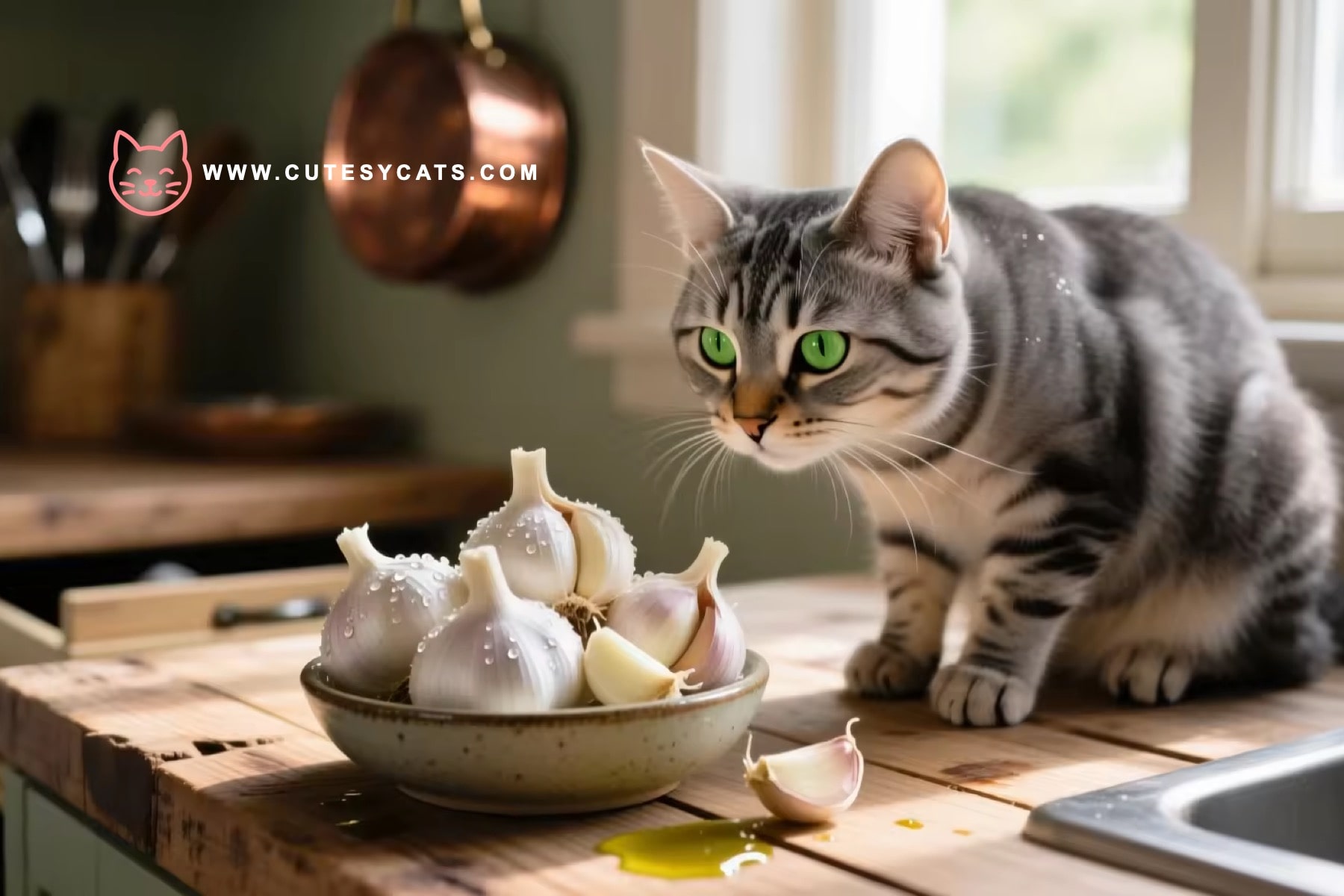
Breathing difficulties may develop in affected cats. Rapid or labored breathing can indicate oxygen deprivation. Watch for signs of distress or unusual patterns. Immediate intervention is necessary for serious cases.
Loss of appetite is another potential symptom. Cats may refuse food or show reduced interest in treats. Prolonged anorexia can worsen health outcomes. Ensure timely monitoring of eating habits.
Vomiting blood or dark stool may occur in severe cases. These signs indicate gastrointestinal bleeding or internal damage. Emergency care is required to prevent life-threatening complications.
Swelling or discomfort in the abdomen can be a warning. Pain may not always be obvious but should be assessed by a veterinarian. Gentle observation helps detect subtle changes.
Excessive drooling or oral irritation can also appear. Garlic's strong compounds may irritate the mouth and throat. Cats may paw at their face or mouth repeatedly. These signs should not be ignored.
Behavioral changes may accompany physical symptoms. Irritability, hiding, or unusual vocalizations can indicate distress. Observing these behaviors supports early detection. Acting quickly can prevent serious harm.
How All Forms of Garlic Can Pose Serious Risks to Cats
Raw garlic contains the highest concentration of toxic compounds. Even a small clove can damage a cat's red blood cells. The strong smell may attract curious cats. Accidental ingestion can quickly lead to poisoning.
Cooked garlic may seem less potent but remains dangerous. Heat does not neutralize thiosulfate or other harmful compounds. Adding garlic to cooked meals can still harm cats. Owners should avoid using it in any feline-accessible foods.
Garlic powder is highly concentrated and easy to overfeed. A pinch can be enough to trigger toxicity. Powder often appears in seasoning blends or sauces. Accidental exposure is common if ingredients are not secured.
Garlic flakes and granules are also risky for cats. These dried forms retain toxic compounds despite long storage. Even small quantities sprinkled on food can cause harm. All dried forms should be kept away from pets.
Garlic supplements marketed for humans pose extreme risks. Pills or capsules contain concentrated active ingredients. Cats can suffer severe anemia or organ stress. Avoid supplement exposure entirely for feline safety.
Garlic-infused oils can still be harmful if ingested. Oils contain water-soluble compounds that are toxic to cats. Even licking small amounts off a spoon can be dangerous. Proper storage and handling are essential.
Mixed foods or dishes with hidden garlic can cause accidental poisoning. Sauces, soups, and baked goods may contain garlic without owners realizing it. Cats may sample crumbs or leftovers. Awareness of ingredients is critical to prevention.
Understanding that all garlic forms carry risks protects cats. No form of garlic is safe for feline consumption. Prevention requires vigilance and careful food handling. Protecting cats means avoiding exposure completely.
Understanding How Even Small Amounts of Garlic Can Harm Cats
Cats are highly sensitive to garlic due to their small body size. Even a fraction of a clove can trigger toxicity. The effects may not appear immediately. Early signs may be subtle but dangerous.
A single garlic clove can damage red blood cells. The risk increases if consumed repeatedly over time. Chronic exposure may lead to anemia or organ stress. Owners should avoid all forms of garlic completely.
Powdered garlic is more concentrated than fresh cloves. A tiny pinch may be enough to affect a cat. Measuring small amounts is risky and unreliable. Accidental exposure is common in kitchens.
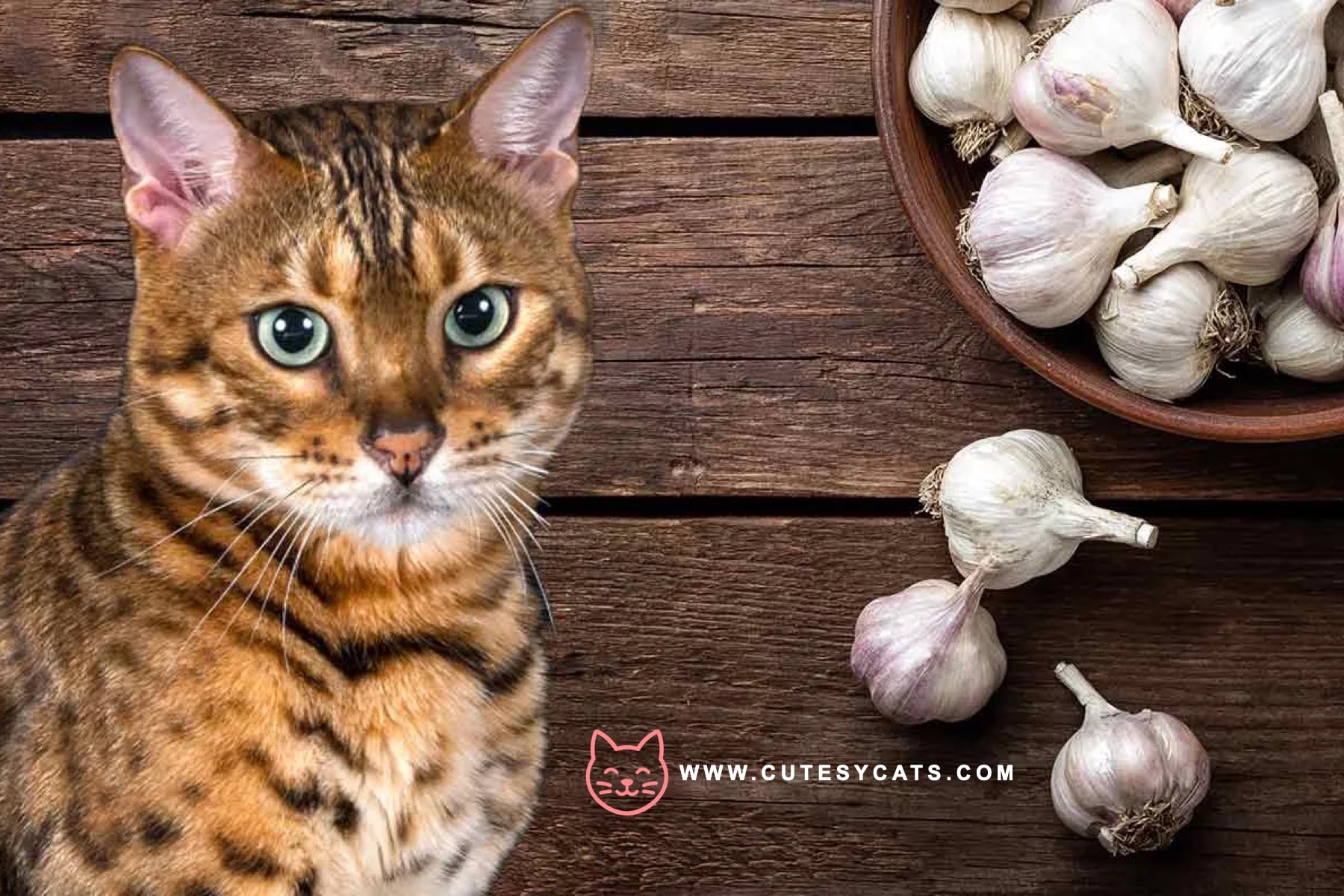
Cooked garlic does not neutralize harmful compounds. Even small pieces in sauces or dishes can pose serious risks. Cats may lick residues left on utensils. Vigilance in food preparation is necessary.
Garlic oils may also be dangerous in tiny quantities. Oils contain water-soluble toxic compounds that cats cannot metabolize. Licking even a small amount from food or counter can be harmful. Careful storage is essential.
Repeated exposure increases cumulative toxicity. Even minimal amounts given over days or weeks can create serious health issues. Cats are less able to detoxify compounds than humans. Long-term risks are significant.
Garlic mixed in human foods can be misleading. Owners may not realize the food contains dangerous amounts. Hidden garlic in meals or leftovers is a common source of poisoning. Reading labels and monitoring ingredients helps protect cats.
Avoiding all forms of garlic is the safest approach. No amount is guaranteed safe for feline consumption. Awareness and prevention are key to protecting your pet's health.
Lasting Health Problems That Garlic Can Cause in Cats
Repeated garlic consumption can lead to anemia in cats. Damage to red blood cells reduces oxygen delivery. Chronic anemia may cause weakness, lethargy, and pale gums. Severe cases require veterinary treatment.
The liver may become stressed when processing garlic toxins. Cats have limited ability to metabolize sulfur compounds. Prolonged exposure can result in long-term organ damage. Monitoring health is crucial if exposure occurs.
Kidney function can also be affected by toxic compounds. The organs may struggle to filter waste efficiently. Chronic exposure can worsen pre-existing conditions. Early detection helps prevent serious complications.
Digestive problems may persist after garlic ingestion. Vomiting, diarrhea, or stomach pain can recur if exposure continues. Cats may lose appetite and experience discomfort. Dietary management is essential to recovery.
Long-term oxidative stress can weaken the immune system. Cats may become more susceptible to infections and illnesses. Even small repeated exposures increase risks over time. Prevention is the most effective strategy.
Neurological effects are rare but possible with high exposure. Weakness or unsteady movements can appear in severe cases. Prompt veterinary care reduces the likelihood of lasting damage. Protecting cats from garlic is critical.
Step by Step Guidance on Handling a Cat That Ate Garlic
If your cat consumes garlic, remove access immediately. Keep any remaining garlic or contaminated food out of reach. Early action reduces the risk of further ingestion.
Monitor your cat for signs of poisoning closely. Watch for vomiting, lethargy, pale gums, or unusual behavior. Even mild symptoms warrant careful observation. Document any changes in condition for your veterinarian.
Contact a veterinarian as soon as possible. Provide details on the type and amount of garlic ingested. Describe the cat's weight, age, and overall health. Timely communication ensures proper treatment planning.
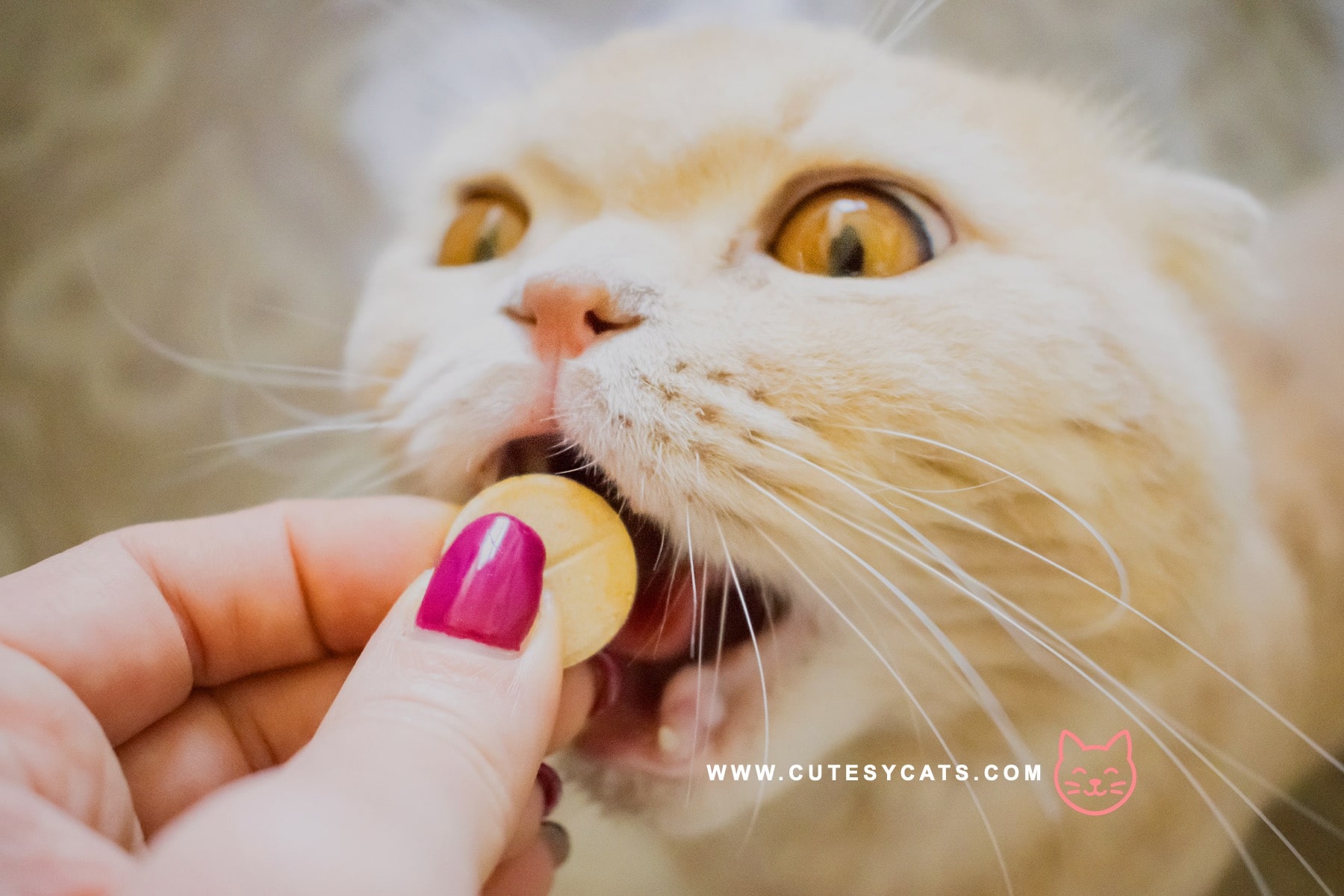
Do not induce vomiting unless instructed by a veterinarian. Incorrect methods can cause additional harm. Follow professional guidance for safe intervention.
Provide fresh water to help flush toxins naturally. Ensure your cat stays hydrated throughout the observation period. Proper hydration supports kidney and liver function.
Prepare for potential veterinary interventions such as blood tests. The veterinarian may check for anemia or organ stress. Early diagnostics improve treatment outcomes.
Follow any prescribed treatments or dietary adjustments carefully. Administer medications exactly as instructed to prevent complications. Regular check-ins may be necessary to track recovery.
Prevent future incidents by securing all garlic-containing foods. Educate household members about the dangers of garlic for cats. Prevention is the best way to protect feline health.
Nutritious and Flavorful Foods That Are Safe for Cats
Cats can enjoy small amounts of cooked pumpkin for digestive support. It is high in fiber and easy to digest. Pumpkin helps regulate bowel movements and can be served plain. Avoid adding seasonings that could harm your cat.
Plain cooked chicken or turkey is a safe protein option. It provides essential amino acids for energy and growth. Serve in small, unseasoned pieces to avoid digestive upset. These meats are highly palatable for most cats.
Cooked fish like salmon or sardines can be a tasty treat. Fish contains omega-3 fatty acids that promote healthy skin and coat. Offer in moderation to prevent nutrient imbalance. Avoid raw fish due to bacteria or enzyme risks.
Cat-friendly herbs like catnip or catmint enhance flavor safely. These herbs do not pose toxicity risks and can encourage play or interest in food. Sprinkle lightly on meals or treats. Cats may respond differently to herbs individually.
Low-sodium broth can be used to moisten dry food. It adds flavor without harmful additives. Ensure it does not contain onions, garlic, or excessive salt. Homemade broth allows control over ingredients and safety.
Small amounts of steamed vegetables like carrots or green beans are suitable. They provide vitamins and fiber without causing toxicity. Chop into manageable pieces for easy eating. Introduce gradually to monitor tolerance.
Commercial cat treats designed for flavor and nutrition are safe. Look for treats with limited ingredients and no harmful additives. Treats should complement a balanced diet. Moderation ensures your cat enjoys variety without health risks.
Practical Ways to Keep Your Cat Safe from Harmful Foods
Keep all garlic and human foods out of your cat's reach. Store ingredients in sealed containers or high cabinets. Avoid leaving leftovers unattended. Prevention is the first step in protecting feline health.
Educate everyone in your household about dangerous foods. Children and guests may unknowingly offer harmful items. Consistent reminders reduce accidental exposure. Awareness creates a safer environment for your cat.
Avoid sharing meals directly with your cat. Even small bites can contain toxic compounds. Use cat-safe treats instead to satisfy curiosity. This habit prevents accidental poisoning from unsafe foods.
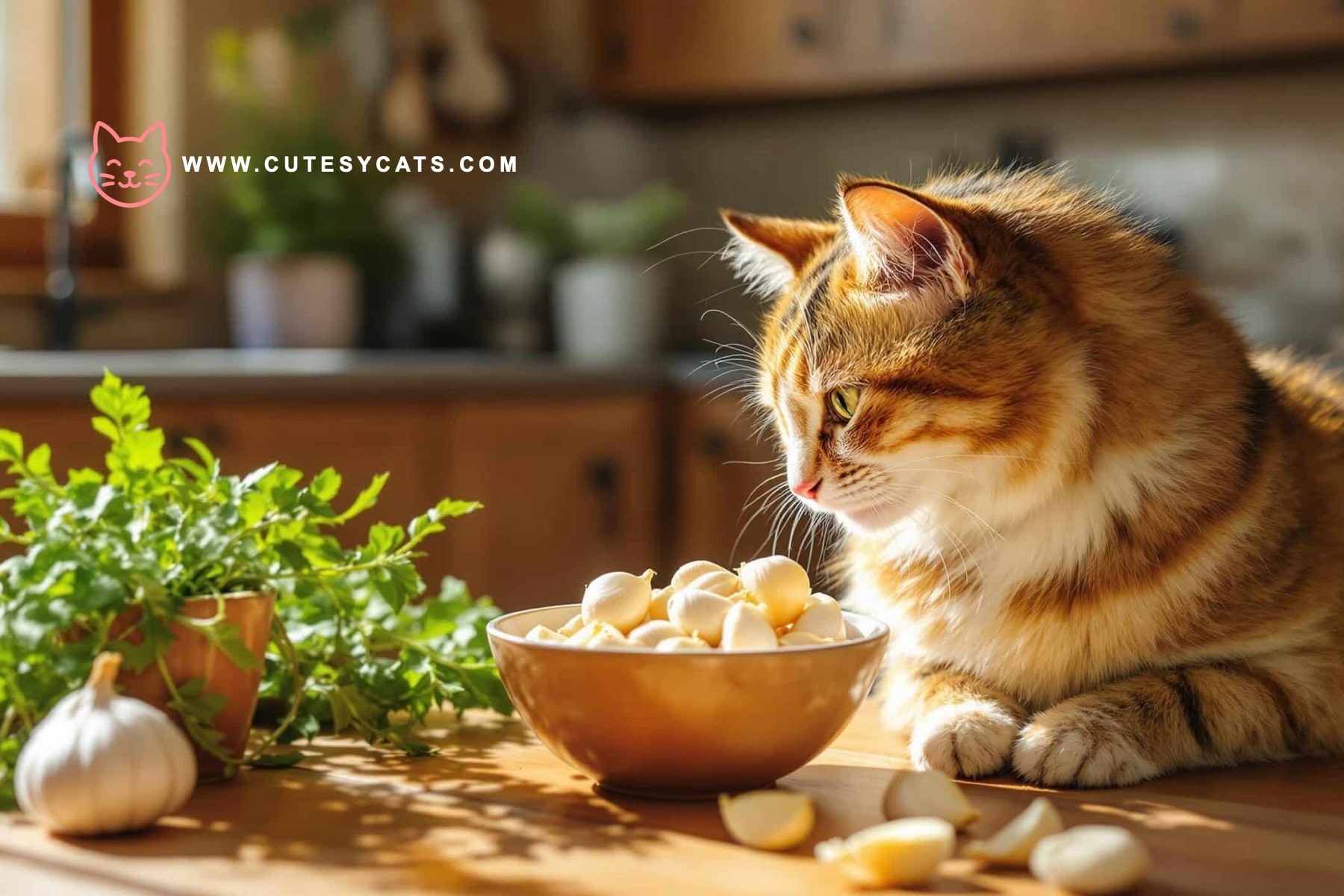
Read labels carefully when cooking or buying prepared foods. Some sauces, soups, and snacks contain hidden garlic. Knowledge of ingredients helps prevent exposure. Always check before offering food near your cat.
Create a safe feeding area away from human meals. Feeding cats in a separate space reduces temptation. It also helps monitor portion sizes and prevents accidental ingestion. Consistency reinforces good habits.
Regular veterinary check-ups support early detection of health issues. Discuss any suspected ingestion of harmful foods promptly. Timely intervention can prevent long-term damage. Maintaining vigilance ensures your cat's ongoing safety.