
Why Curious Cat Owners Should Think Twice About Onions
Cats are curious creatures who explore their environment with taste and smell. Pet owners often wonder if human foods are safe for them. Onions are a common ingredient in many households. This curiosity can sometimes lead to risky feeding choices.
Some cat owners may see onions as harmless flavorings. Others may offer small amounts as treats. Understanding the risks is essential before introducing onions. Cats have very different digestive systems than humans.
Even a tiny amount of onion can pose health risks. Many cats are sensitive to compounds humans tolerate easily. Owners may not immediately notice if a cat eats onions. Awareness is the first step in keeping cats safe.

Cats often show interest in foods humans eat. Their natural curiosity can put them in danger. Onions can seem harmless, but they are not. Educating owners about risks helps prevent accidental poisoning.
It is common for cats to beg for table scraps. Owners may be tempted to share their meals. Onions and related foods are especially concerning. Knowing why they are unsafe can guide better choices.
Taking action before an incident occurs is vital. Preventing access to onions is easier than treating toxicity. Cat owners need to balance curiosity with safety. Careful feeding ensures happy and healthy pets.
Understanding What Onions Offer and Why Humans Love Them
Onions are a staple in many kitchens worldwide. They are valued for their flavor and aroma. Humans consume them for both taste and nutrition. Onions provide vitamins that support overall health.
They contain vitamin C, which boosts the immune system. Small amounts of vitamin B6 help with energy metabolism. Minerals like potassium support healthy bodily functions. These nutrients make onions appealing to people.
Onions also have antioxidants that help protect cells. Quercetin is one compound that supports cardiovascular health. Flavonoids contribute to reducing inflammation naturally. These benefits are why onions are a common choice.
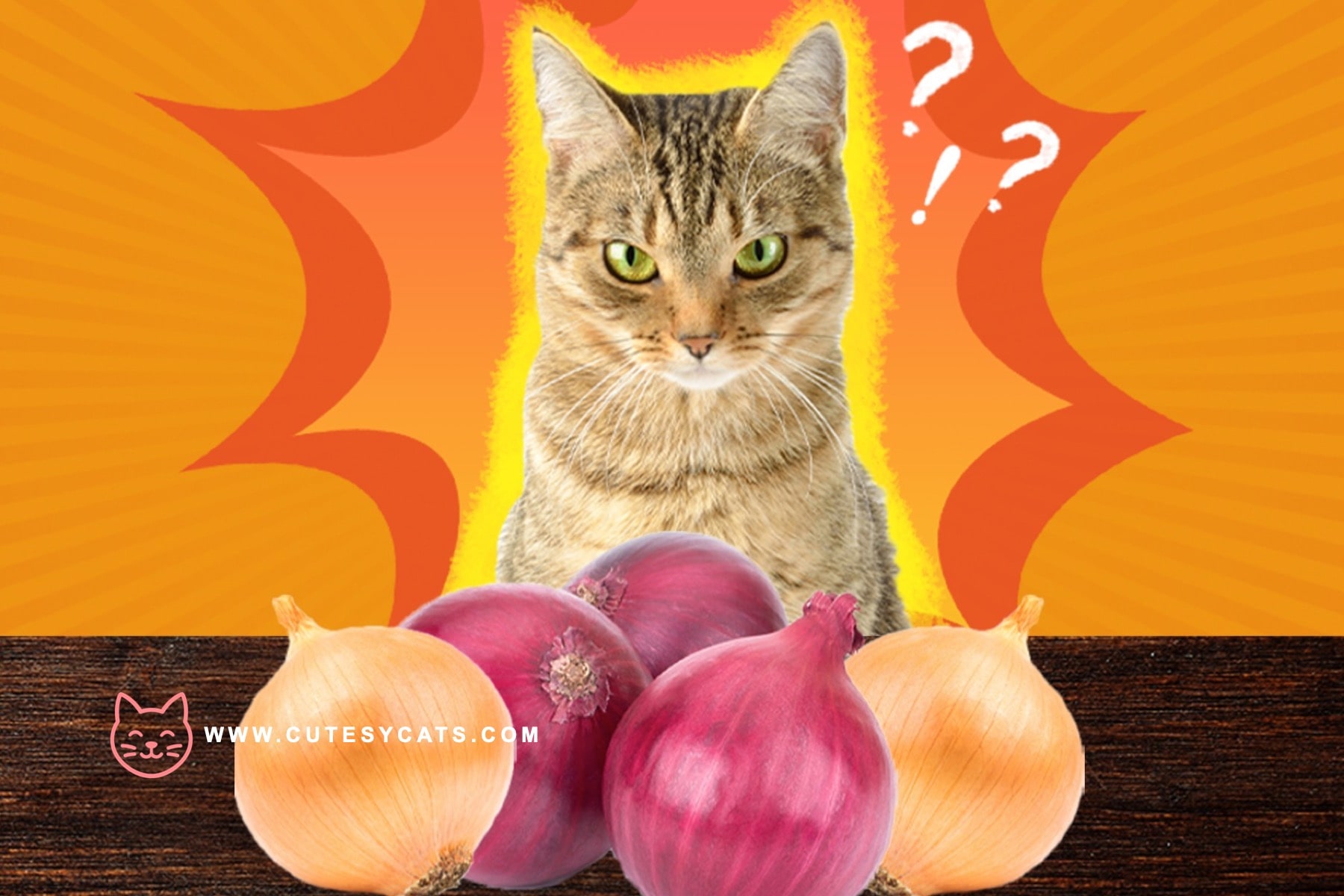
The natural sugars in onions add mild sweetness to dishes. Carbohydrates from onions provide energy for daily activities. Dietary fiber promotes digestion and gut health. This combination makes onions versatile for cooking.
Humans also enjoy onions for their antimicrobial properties. Some compounds can help fight bacteria and viruses. These natural benefits make onions attractive in meals. Cooking can alter these effects slightly.
Onions can be eaten raw, cooked, or powdered. Each form has a slightly different flavor profile. Nutrient content can change depending on preparation. People choose forms based on taste and convenience.
Despite these benefits for humans, cats cannot process the same compounds safely. Their bodies react differently to onion chemicals. Nutrients that help humans can harm cats. Awareness of these differences is crucial for pet owners.
Understanding onion nutrition helps explain why they are popular. It also highlights why they are unsafe for cats. Comparing human benefits with feline risks is important. This sets the stage for safe feeding choices.
Why Onions Can Pose Serious Health Risks for Cats
Onions contain compounds that are safe for humans but harmful to cats. One of the main dangerous compounds is thiosulfate. It can damage red blood cells and lead to anemia. Cats are especially sensitive to this chemical.
Thiosulfate interferes with oxygen transport in the bloodstream. Even small amounts can trigger this effect. The damage may not appear immediately. Monitoring a cat after exposure is essential.
Other sulfur compounds in onions can also cause harm. These compounds affect the digestive system and overall health. They may lead to vomiting and diarrhea in cats. Early detection is important to prevent severe issues.
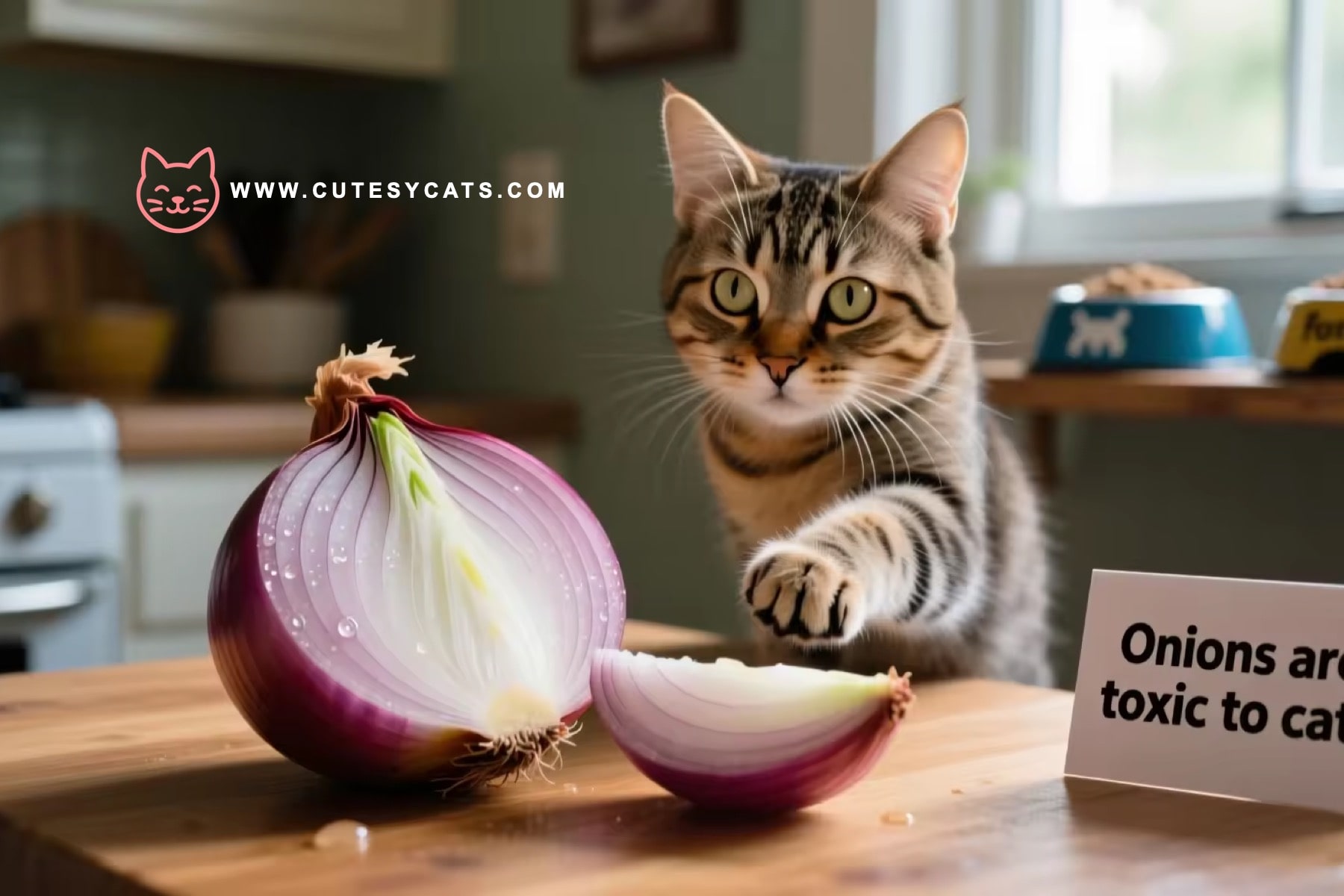
Onion powder and cooked onions are just as risky as raw ones. Cats cannot safely metabolize these forms either. Sometimes owners assume cooked onions are harmless. This is a dangerous misconception.
Cats with preexisting conditions are at higher risk. Illnesses like kidney or liver problems make onion toxicity worse. Even healthy cats are vulnerable to small doses. Careful prevention is always recommended.
Repeated exposure to onions can have cumulative effects. Toxic compounds build up and strain the cat's body. Long-term health consequences may occur if ignored. Awareness can prevent unnecessary suffering.
Symptoms of onion poisoning may vary between cats. Some show weakness while others develop rapid heart rates. Appetite loss and lethargy are common signs. Immediate action is necessary if symptoms appear.
Preventing access to onions is the safest approach. Cats should never be offered foods containing onion. Owners must read ingredient labels carefully. Keeping onions out of reach protects feline health.
Recognizing Early Signs That Onions Harm Your Cat
Cats affected by onion toxicity often show unusual weakness. They may seem lethargic and less active than usual. Playfulness and curiosity may decrease noticeably. Owners should pay attention to these early signs.
Vomiting and diarrhea are common symptoms of onion exposure. These digestive issues indicate the body is reacting to toxins. Loss of appetite often occurs alongside these symptoms. Immediate observation can help prevent worsening conditions.
Breathing may become rapid or labored in some cats. Heart rate changes can also signal onion-related stress. Pale gums are another warning sign of anemia. These signs require prompt attention to protect health.
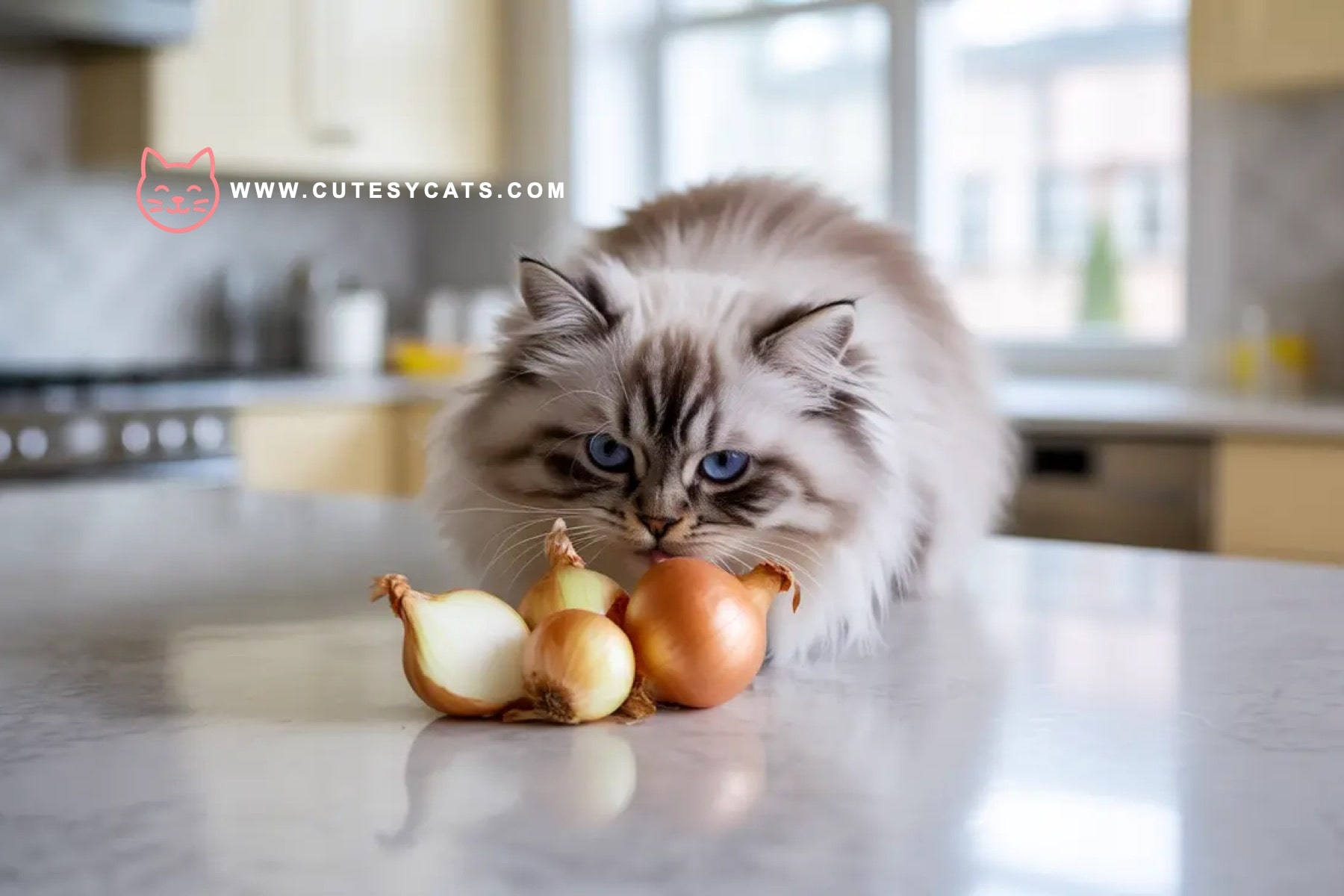
Cats may display behavioral changes when unwell. Irritability or hiding can indicate discomfort or illness. Reduced grooming is another subtle indicator to watch. Early detection improves the chances of full recovery.
Urine may appear darker due to red blood cell breakdown. This is a serious symptom linked to anemia. Owners should monitor any unusual changes in litter box output. Veterinary guidance is necessary if this occurs.
Severe cases can result in collapse or extreme weakness. These situations demand immediate veterinary care. Acting quickly can save a cat's life. Awareness of symptoms is essential for prevention.
Understanding How All Types of Onions Can Hurt Cats
Raw onions are a common cause of toxicity in cats. Even small amounts can trigger serious health problems. Cats may be attracted to the smell or texture. Owners should never offer raw onions under any circumstances.
Cooked onions do not lose their harmful properties. Baking, frying, or boiling does not remove toxic compounds. Cats may unknowingly ingest these foods at family meals. Awareness is key to preventing accidental poisoning.
Onion powder is particularly dangerous because it is concentrated. Small amounts in seasoning blends can harm a cat quickly. Owners often overlook powdered onions in processed foods. Reading ingredient labels is essential for safety.
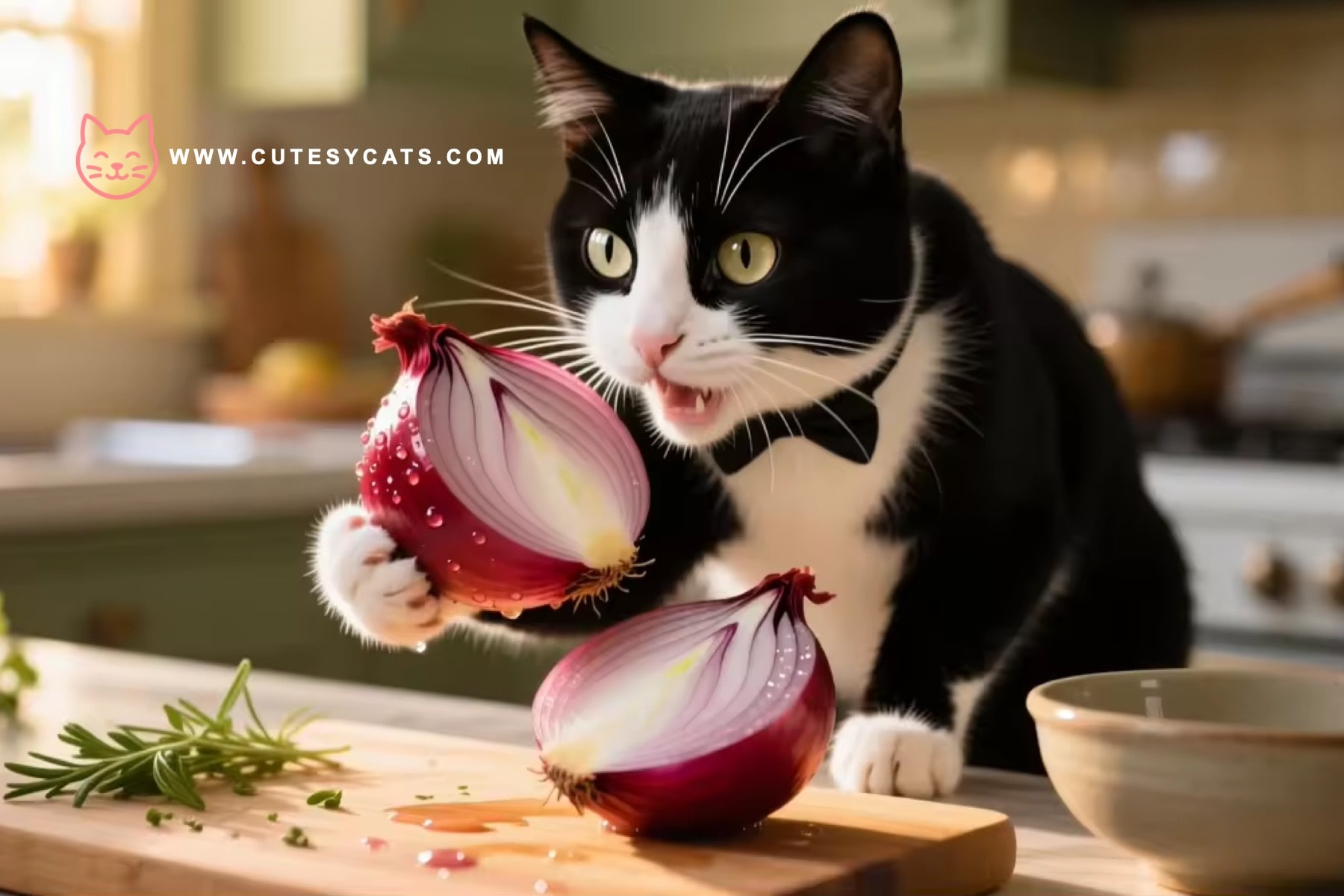
Dehydrated and dried onion products are equally risky. These forms retain the toxic compounds that affect red blood cells. Cats that consume snacks with these ingredients can become very ill. Prevention requires keeping all onion forms out of reach.
Green onions and chives also contain toxic substances. Their mild appearance may give a false sense of safety. Even small bites can lead to vomiting or anemia. Treating these plants like other onions is critical.
Soups, sauces, and ready-made foods can hide onions. Cats may be exposed without owners realizing it. Cross-contamination can occur in kitchens as well. Vigilance ensures cats avoid these hidden dangers.
Every form of onion poses a threat to feline health. Avoiding exposure entirely is the safest strategy. Knowledge of these dangers helps protect curious cats. Careful management keeps cats healthy and safe.
How Even Small Amounts of Onion Can Threaten Your Cat
Cats are extremely sensitive to onion compounds. Even a tiny portion can damage red blood cells. There is no safe threshold for feline consumption. Owners should assume any amount is risky.
A small slice or piece can trigger toxicity. The effects depend on the cat's weight and health. Younger or weaker cats are more vulnerable. Observation is critical after any accidental ingestion.
Powdered or concentrated onion forms increase danger. These forms contain higher levels of toxic compounds. Even trace amounts in food seasoning can cause harm. Careful avoidance is necessary for all onion types.
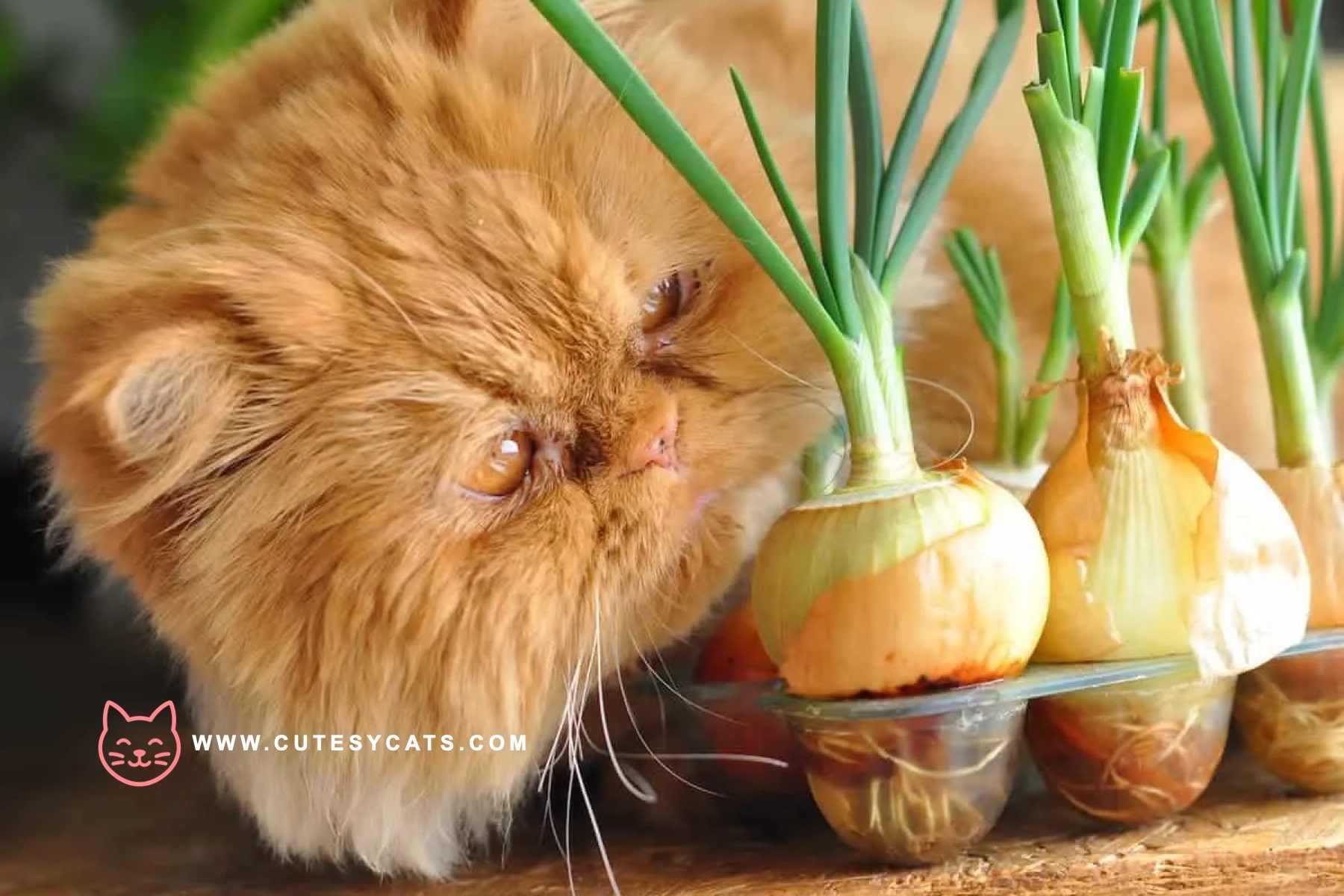
Repeated exposure adds cumulative risk over time. Eating small amounts occasionally can still lead to serious health issues. Chronic toxicity can develop without obvious immediate symptoms. Prevention is always safer than treatment.
Toxicity can appear hours or days after ingestion. Symptoms may not be immediate but can escalate quickly. Early intervention improves outcomes for affected cats. Owners must remain alert and watchful.
The safest approach is to eliminate all onion access. Cats should never be offered table scraps containing onion. Vigilance in the kitchen prevents dangerous accidents. Protecting your cat is simpler than managing toxicity.
How Eating Onions Can Cause Lasting Harm to Cats
Consuming onions can lead to long-term anemia in cats. Red blood cells are destroyed faster than the body can replace. Chronic anemia may result in persistent weakness and fatigue. Regular monitoring is needed for cats at risk.
Repeated onion exposure can strain the liver over time. The liver works harder to process toxic compounds. Damage may develop slowly and go unnoticed initially. Early detection is critical to prevent serious illness.
Kidneys can also suffer from prolonged onion consumption. Toxins may reduce kidney efficiency and increase disease risk. Cats with preexisting kidney problems are especially vulnerable. Proper nutrition and safety help maintain organ health.
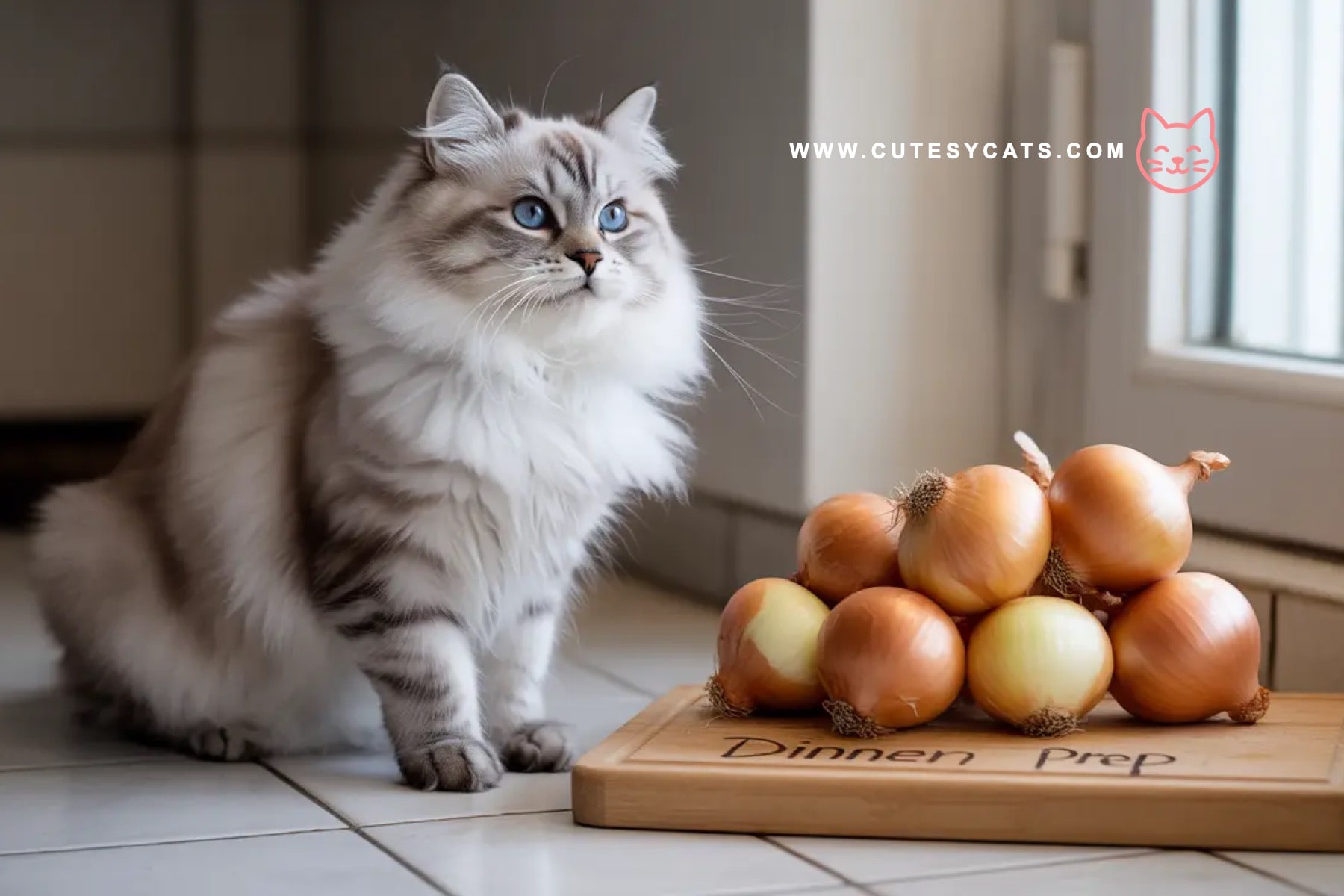
Gastrointestinal issues may persist after onion exposure. Vomiting and diarrhea can cause dehydration if untreated. Cats may lose appetite and show reduced energy. Long-term digestive discomfort affects overall wellbeing.
Heart function can be indirectly impacted by anemia. Reduced oxygen in the bloodstream forces the heart to work harder. Over time, this can weaken the cardiovascular system. Regular veterinary checks can identify early signs.
Behavioral changes may occur in cats suffering from toxicity. Lethargy and irritability are common indicators of ongoing illness. Owners should watch for unusual behavior patterns. Prompt care can prevent further complications.
Even small repeated exposures can accumulate toxic effects. The body cannot safely eliminate all harmful onion compounds. Chronic health issues may appear months later. Prevention remains the safest strategy for every cat.
Understanding these risks highlights the importance of avoidance. Onions should never be offered to cats in any form. Protecting feline health requires vigilance in the kitchen. Safe feeding habits ensure long-lasting wellbeing.
Steps to Take Immediately When Your Cat Eats Onion
If your cat eats onion, remain calm and assess the situation. Determine the type and amount of onion consumed. This information will help the veterinarian respond effectively. Acting quickly improves the chances of a positive outcome.
Remove any remaining onion from your cat's environment. Prevent further access to the food immediately. Cats are curious and may return to the source. Securing the area is the first precaution.
Contact your veterinarian as soon as possible. Explain the situation and provide details about the onion ingested. Follow their instructions carefully. Professional guidance is essential for safety.
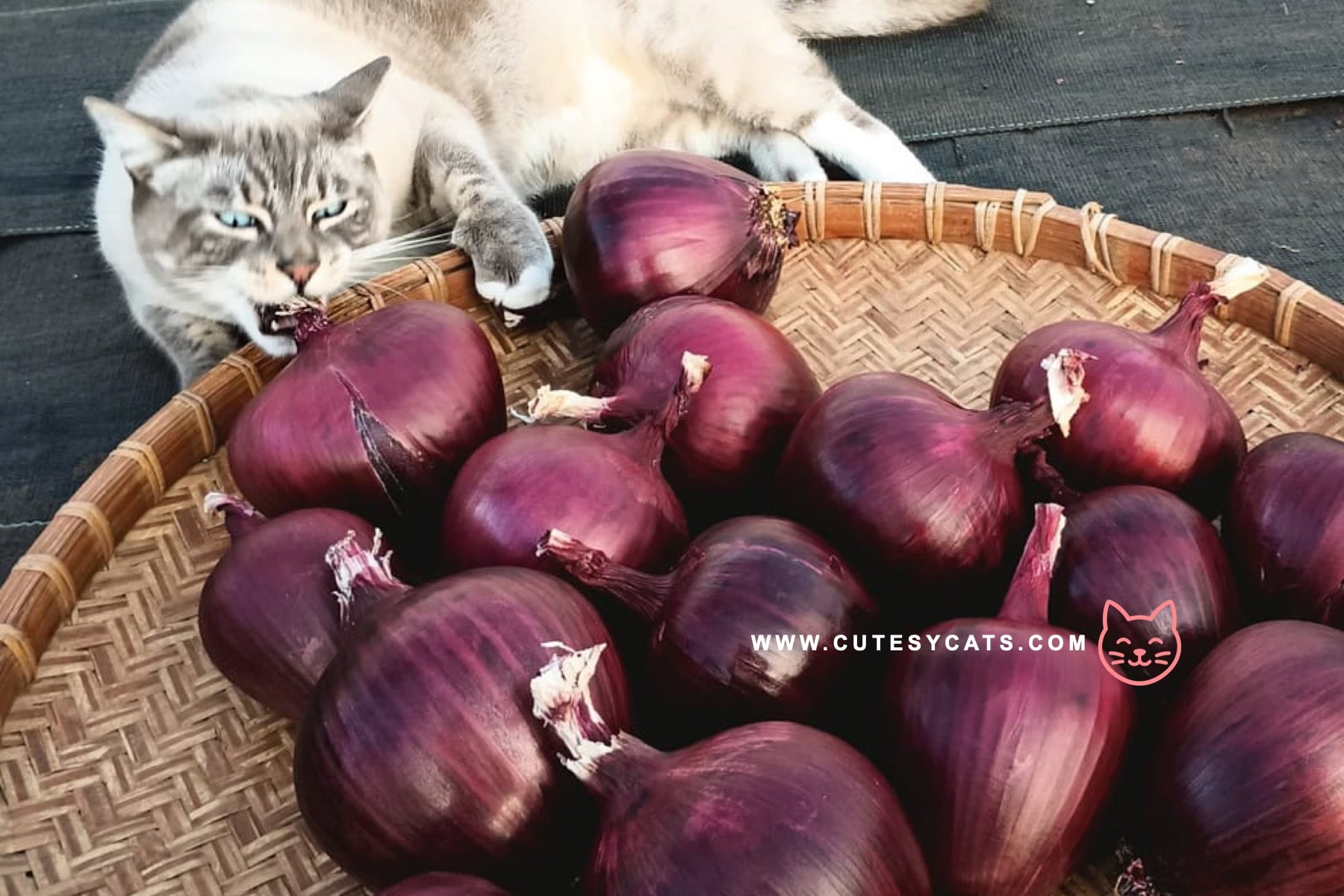
Do not attempt to induce vomiting unless instructed. Incorrect actions may worsen the situation. Only a veterinarian can safely advise on this step. Timing and method matter greatly in these cases.
Monitor your cat for visible symptoms at home. Look for lethargy, vomiting, or diarrhea. Note any unusual behavior or weakness. Reporting these observations to the vet helps with treatment.
Prepare for potential veterinary interventions if needed. The vet may recommend blood tests or IV fluids. Early treatment prevents severe complications. Timely care increases recovery chances.
Maintain a calm environment to reduce stress for your cat. Stress can exacerbate symptoms and slow recovery. Provide a quiet space with water and comfort. Comforting your cat supports overall wellbeing.
After the incident, review household food safety practices. Keep onions and related products out of reach. Educate family members about the risks to cats. Prevention is always more effective than treatment.
Healthy and Safe Flavor Options to Give Your Cat
Cats can enjoy certain vegetables safely without onion risks. Carrots and pumpkin provide fiber and vitamins. These can be lightly cooked for easier digestion. Moderation ensures your cat benefits without digestive upset.
Plain cooked peas and green beans are excellent choices. They offer nutrients and texture that cats often enjoy. Avoid adding salt or seasoning to keep them safe. Small portions work best for most cats.
Cooked sweet potatoes can also enhance meals safely. They are rich in vitamins and natural sugars. Cats often enjoy the soft texture when mashed. Always serve in small, manageable pieces.
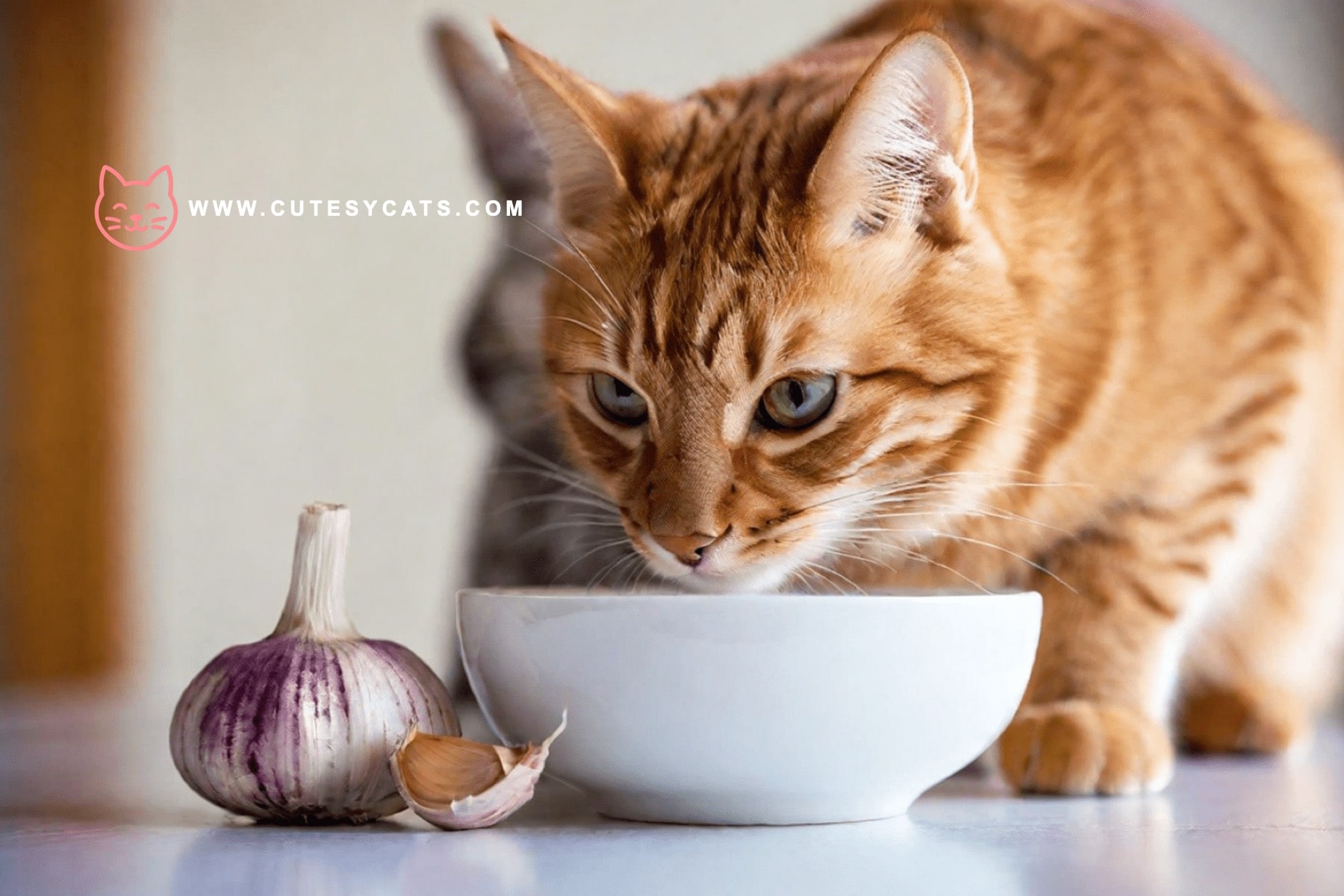
Herbs like parsley can add aroma without harm. Use fresh, finely chopped leaves in small amounts. Avoid herbs that are toxic to cats, such as chives. This adds variety without endangering your pet.
Lean cooked meats are another safe flavor option. Chicken, turkey, or fish can be offered plain. Protein-rich foods satisfy dietary needs and support health. Ensure all bones are removed before serving.
Combining these safe foods keeps your cat interested in meals. Avoiding onion and other harmful ingredients is essential. Creativity in feeding ensures both safety and enjoyment. A balanced diet supports long-term wellbeing.
Simple Steps to Keep Your Cat Safe from Harmful Foods
Keep onions and other toxic foods out of reach at all times. Store them in high cabinets or closed containers. Cats are curious and may explore counters. Prevention is easier than treating poisoning.
Avoid feeding table scraps that contain unknown ingredients. Even small amounts of certain foods can be dangerous. Be especially careful with sauces and seasonings. Vigilance ensures your cat stays healthy.
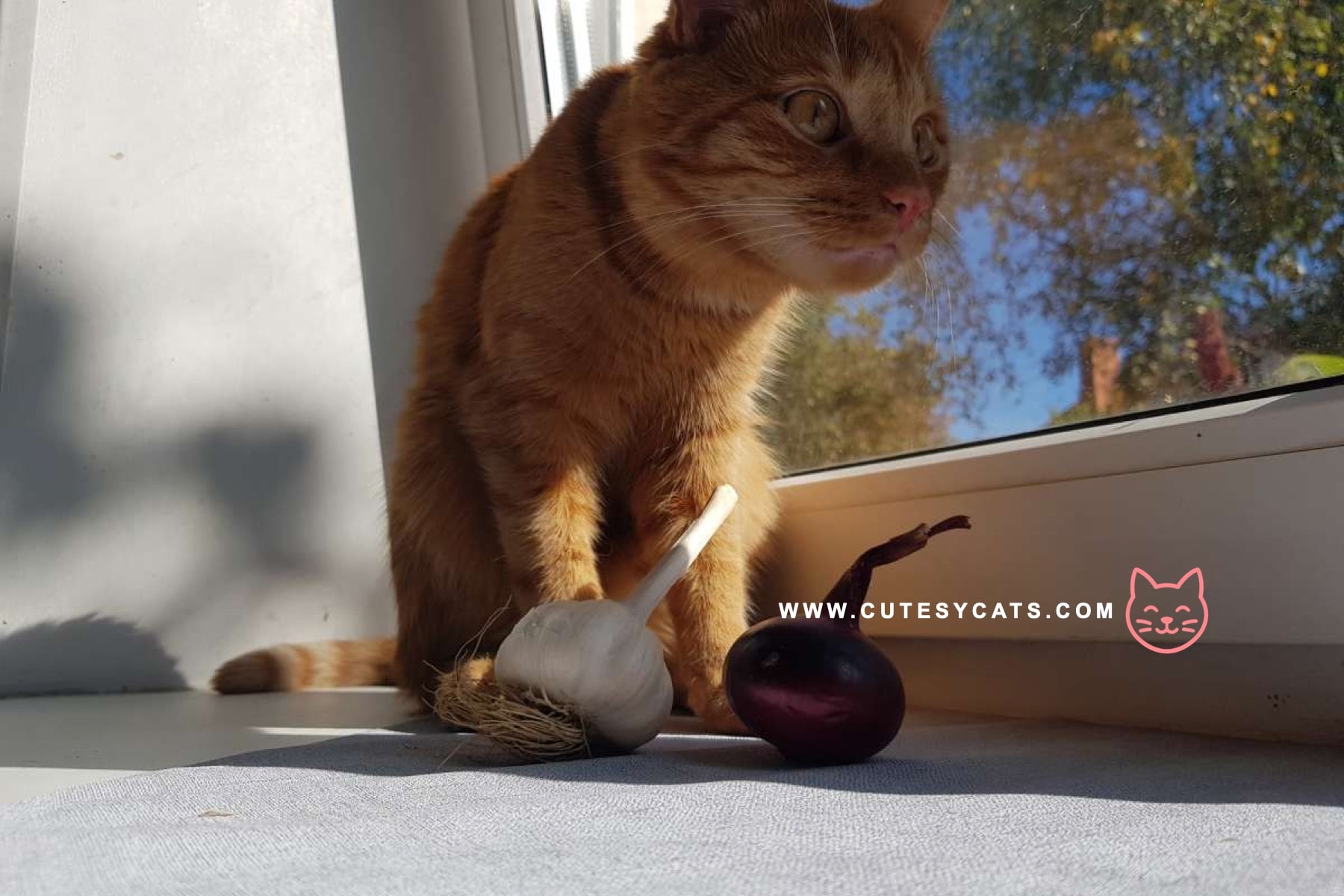
Educate everyone in the household about food risks. Children and guests may unintentionally offer unsafe foods. Clear communication reduces the chance of accidents. Everyone should understand what is harmful to cats.
Clean kitchen surfaces thoroughly after preparing meals. Residual onion or toxic food can pose hidden dangers. Wipe counters and sweep floors regularly. This minimizes accidental exposure for curious cats.
Use cat-safe alternatives when cooking or sharing meals. Vegetables, herbs, and lean meats are safe options. Offering safe treats keeps your cat happy and engaged. Variety can be introduced without risk.
Regularly review your cat's diet and environment. Ensure new foods and snacks are checked for safety. Consistent attention prevents accidental poisoning. A proactive approach protects your cat every day.