
Why Mistletoe Can Pose Hidden Risks to Curious Cats
Mistletoe is a common decoration during the holiday season. Its leaves and berries attract attention from curious cats. Many owners do not realize it contains harmful compounds. Awareness is key to keeping pets safe.
Cats explore plants using their mouths and paws. Their natural curiosity can lead them to chew on mistletoe. Even a small nibble may be dangerous. Owners often overlook this risk during festivities.
The plant is often displayed at eye level or in reachable spots. This placement increases the chance of accidental ingestion. Cats may jump on tables or shelves to investigate. Supervision becomes essential in homes with pets.
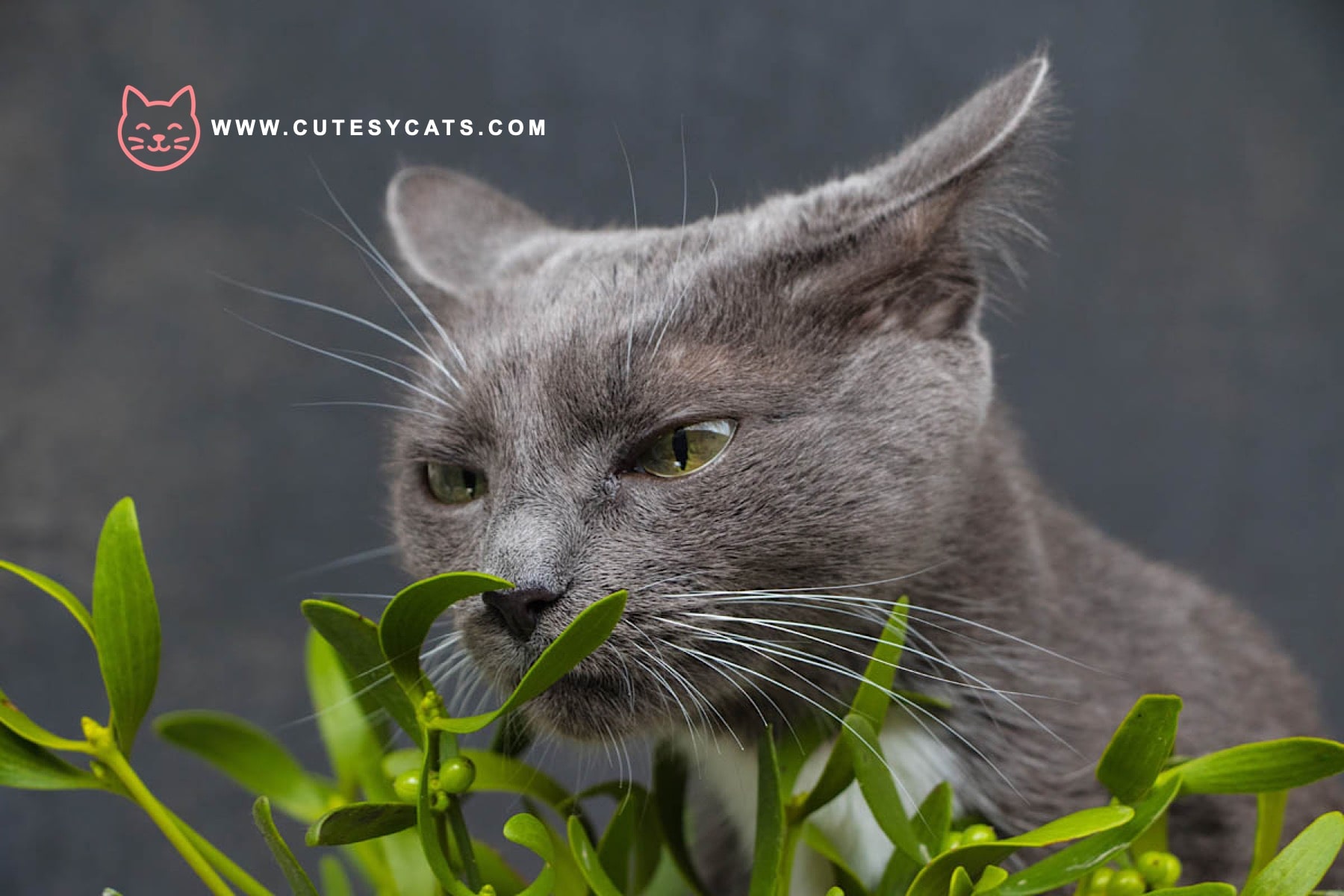
Curiosity combined with festive excitement makes cats more likely to interact with decorations. Their interest in new objects can be intense. Mistletoe becomes a tempting target during gatherings. Understanding this behavior helps prevent accidents.
Many people associate mistletoe with holiday traditions and kisses. They may forget that it is not safe for pets. Accidental exposure can happen quickly and silently. Being proactive is crucial for cat safety.
Recognizing the risks of mistletoe helps owners plan safer decorations. Simple adjustments can prevent accidents and poisoning. This section sets the stage for practical guidance. The following sections will explore safe holiday practices.
Understanding Mistletoe and Why Cats Are Drawn to It
Mistletoe is an evergreen plant often used for holiday decorations. It has thick leaves and clusters of white berries. Its unique appearance can attract a cat's attention. Cats may find it intriguing to explore.
Cats rely heavily on smell to investigate new objects. Mistletoe has a distinct scent that piques feline curiosity. This can lead them to sniff or paw at the plant. Their natural instincts drive close examination.
Taste is another way cats explore their environment. Some cats may take small nibbles of mistletoe leaves or berries. Even minor tasting can be risky. Owners should remain vigilant during the holidays.
Cats are naturally curious, especially with new seasonal items in the home. Decorations and unfamiliar plants draw their attention immediately. They may climb, jump, or swat at hanging mistletoe. Supervision is essential to prevent accidents.
Mistletoe is often placed in reachable areas for decorative impact. Hanging it over doorways or tables increases exposure risk. Cats can access it easily while playing or exploring. Awareness of placement reduces potential danger.
Kittens are especially likely to investigate holiday plants. Their playfulness and exploration can put them at greater risk. Even cautious adult cats may be tempted. Knowing this helps owners prepare accordingly.
The plant's berries and stems are particularly appealing to cats. Their texture and shape encourage chewing and pawing. Curiosity combined with play can result in ingestion. Owners should take proactive steps to prevent access.
Understanding both the plant and feline behavior is key. Awareness of how cats interact with mistletoe informs safe holiday practices. It sets the stage for learning about toxicity and prevention. Careful observation keeps cats safe.
The Hidden Chemicals in Mistletoe That Can Harm Cats
Mistletoe contains toxic compounds that can affect a cat's health. Lectins are proteins that can damage red blood cells. Ingesting even small amounts can upset the digestive system. Cats may experience vomiting or diarrhea.
Viscotoxins are another harmful compound in mistletoe. They can affect the heart and nervous system if ingested. Sensitivity varies depending on the type of mistletoe. Even mild exposure can cause noticeable symptoms.
The white berries are especially concentrated with toxins. Cats may be attracted to their size and shape. Eating berries increases the risk of poisoning quickly. Owners must prevent access to these parts.
Leaves and stems also contain toxic substances. Chewing on any part of the plant can result in health problems. Symptoms may appear within hours of ingestion. Early recognition is important for treatment.
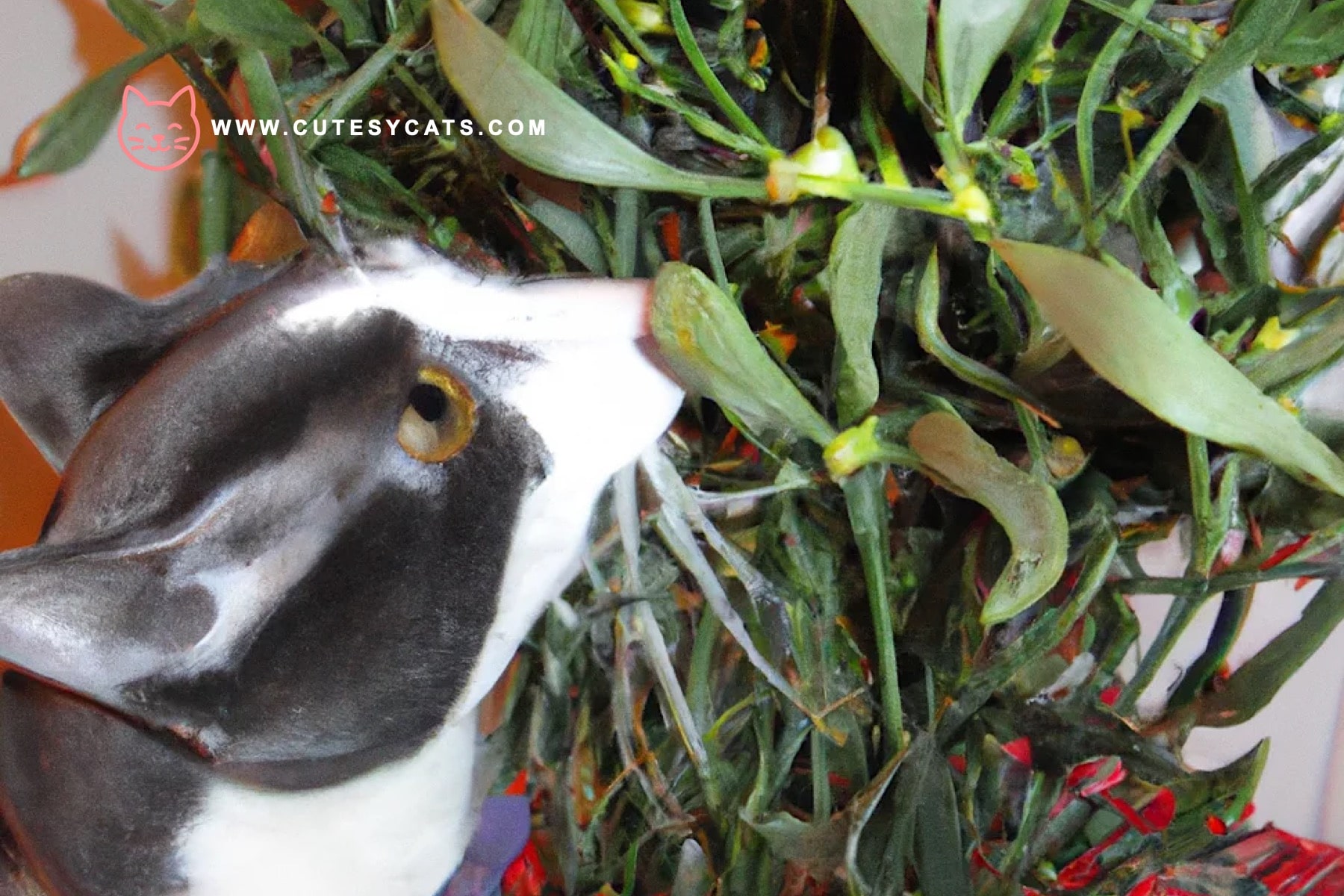
Different mistletoe species have varying toxicity levels. Some are more dangerous than others for cats. Understanding the type in your home helps assess risk. Always assume the plant is unsafe for pets.
Toxic compounds interfere with normal digestion and metabolism. Cats may show weakness, drooling, or loss of appetite. Severe cases can impact organs and overall health. Immediate action is necessary if exposure occurs.
Knowing the chemicals in mistletoe helps owners protect their cats. Awareness allows for safer holiday decoration choices. Careful observation and prevention reduce the risk of poisoning. Educated decisions keep cats safe and healthy.
How Cats Can Accidentally Come Into Contact With Mistletoe
Mistletoe is often hung in doorways or near tables during the holidays. Cats may jump or climb to investigate these spots. Their curiosity can lead to chewing or pawing at the plant. This makes accidental ingestion more likely.
Table arrangements with mistletoe or berries can attract a cat's attention. Cats explore objects using both smell and taste. Even a brief encounter may be risky. Owners may not notice until symptoms appear.
Plants placed on low shelves or counters increase exposure. Cats can reach these areas easily while playing. Decorations within paw's reach are tempting to investigate. Supervision helps reduce accidents.
Curious paws can knock over decorations with mistletoe attached. Falling plants may land in areas where cats play. Cats may bite or chew them during exploration. This adds to the risk of ingestion.
Kittens are especially prone to investigate new objects. Their playful nature leads them to chew more often. Even older cats may be tempted by dangling plants. Awareness of these behaviors is essential.
Guests moving through the home can cause decorations to shift. Cats may react by swatting or jumping toward them. This can bring mistletoe within reach unexpectedly. Owners should plan safe placement carefully.
Understanding typical exposure scenarios helps prevent poisoning. Keeping decorations out of reach reduces risk. Supervision and planning are key for holiday safety. Mindful placement protects cats and prevents emergencies.
How to Recognize If Your Cat Has Eaten Mistletoe
Cats that ingest mistletoe may vomit or have diarrhea soon after. These digestive signs are often the first warning. Owners should watch for repeated episodes. Early detection helps prevent serious complications.
Drooling and excessive salivation can indicate irritation in the mouth or stomach. Cats may paw at their mouths or seem uncomfortable. These signs often accompany other digestive symptoms. Close observation is important.
Lethargy or unusual tiredness is another red flag. A cat may hide or avoid interaction. Loss of appetite often occurs alongside weakness. These behaviors suggest a need for immediate attention.
Some cats may experience trembling or unsteady movements. Nervous system effects can appear if toxic compounds are ingested. Even mild symptoms require monitoring. Quick action can prevent escalation.
Behavior changes such as irritability or unusual vocalization can occur. Cats may seem distressed or confused. These subtle signs are important to note. Owners should not ignore any unusual behavior.
Prompt recognition of these symptoms is critical for cat safety. Observing closely allows for faster response to potential poisoning. Contacting a veterinarian quickly can prevent serious illness. Vigilance keeps cats healthy during the holidays.
The Health Dangers Your Cat Faces From Eating Mistletoe
Mistletoe ingestion can cause mild digestive upset in cats. Vomiting and diarrhea are common early signs. These symptoms may seem minor at first. Ignoring them can lead to worsening conditions.
Dehydration is a potential risk after repeated vomiting or diarrhea. Cats can lose fluids quickly. Weakness and lethargy may follow. Prompt attention helps prevent further complications.
Toxic compounds in mistletoe can affect the heart. Irregular heartbeat or palpitations may develop. Nervous system effects such as tremors can also appear. These complications require urgent veterinary care.
Severe poisoning can damage organs over time. Liver and kidney function may be impaired. Symptoms can escalate if not treated quickly. Early intervention is critical for recovery.
Drooling and excessive salivation may indicate irritation or systemic toxicity. Mouth discomfort can make eating difficult. Cats may become unusually quiet or withdrawn. Close observation is important.
Behavioral changes often accompany physical symptoms. Cats may hide or avoid interaction. Irritability or restlessness can indicate distress. These signs help owners recognize the problem early.
Even small amounts of mistletoe can be dangerous for some cats. Sensitivity varies depending on size and health. Always treat ingestion as a potential emergency. Quick response is essential.
Understanding the full range of risks guides owners to act promptly. Awareness of possible complications ensures safety. Monitoring for subtle signs can prevent severe outcomes. Vigilance protects your cat during the holidays.
Steps to Take Immediately if Your Cat Eats Mistletoe
If your cat eats mistletoe, contact a veterinarian immediately. Quick professional guidance can prevent serious health issues. Do not wait for symptoms to appear. Acting fast is critical.
A pet poison hotline is another resource. They provide instructions based on the type of plant ingested. Follow their advice carefully while arranging veterinary care. Accurate information helps protect your cat.
Do not induce vomiting without professional guidance. Some toxins can cause more harm if vomited. Only a veterinarian can advise if it is safe. Avoid home remedies that may worsen the situation.
Monitor your cat closely while seeking help. Watch for vomiting, diarrhea, lethargy, or unusual behavior. Note the amount and type of mistletoe ingested. This information aids the veterinarian in treatment.
Keep your cat calm and comfortable. Stress may worsen symptoms or complicate treatment. Provide a quiet space while waiting for professional care. Limit activity until advised otherwise.
Bring a sample of the plant to the vet if possible. Identification helps confirm the exact species and toxicity level. Accurate identification improves treatment effectiveness. Take photos if the plant cannot be transported.
Follow the veterinarian's instructions carefully after the visit. Medication or supportive care may be necessary. Observe for delayed symptoms over the next 24 to 48 hours. Prompt follow up ensures full recovery.
Being prepared with knowledge reduces risk during holidays. Knowing what steps to take can save a cat's life. Immediate action and calm response are essential. Vigilance protects your cat from accidental poisoning.
How to Keep Your Cat Safe From Mistletoe at Home
Place mistletoe out of your cat's reach whenever possible. High shelves or hanging decorations can reduce accidental exposure. Avoid low tables or doorways that cats can jump to. Proper placement limits interaction.
Consider using barriers around festive plants. Baby gates or enclosed areas keep curious cats away. Barriers prevent access without compromising holiday decoration aesthetics. This adds a layer of protection.
Avoid using real mistletoe entirely if possible. Artificial plants provide a festive look without the risk. Cats can safely explore decorations without danger. Choosing safe alternatives prevents emergencies.
Plan decorations with safety in mind before the holidays begin. Consider where cats can climb, jump, or explore. Safe planning reduces the need for constant supervision. Preventive measures are more effective than reactive ones.
Supervise cats during holiday gatherings. Guests moving through the home can shift decorations unexpectedly. Cats may become curious or playful. Vigilance helps prevent accidental ingestion.
Keep holiday plants away from feeding areas. Cats may associate plants with food and taste them. Separate spaces reduce temptation and confusion. This ensures plants remain untouched.
Educate family and visitors about mistletoe risks. Ask them not to dangle or move plants within reach. Everyone's awareness contributes to a safer environment. Consistent precautions reinforce safety.
Regularly inspect decorations for loose or fallen pieces. Cats may chew on fallen leaves or berries. Prompt cleanup prevents accidental ingestion. Staying attentive ensures a safe and enjoyable holiday.
Creative Holiday Decor Ideas That Are Safe for Cats
Silk plants are a safe alternative to real mistletoe. They provide a festive look without the risk of poisoning. Cats can explore decorations safely. These artificial plants maintain holiday charm.
Ribbons and bows add color and movement to holiday spaces. Use non-toxic materials to ensure cat safety. Avoid small pieces that cats could swallow. Larger ribbons can decorate safely without hazards.
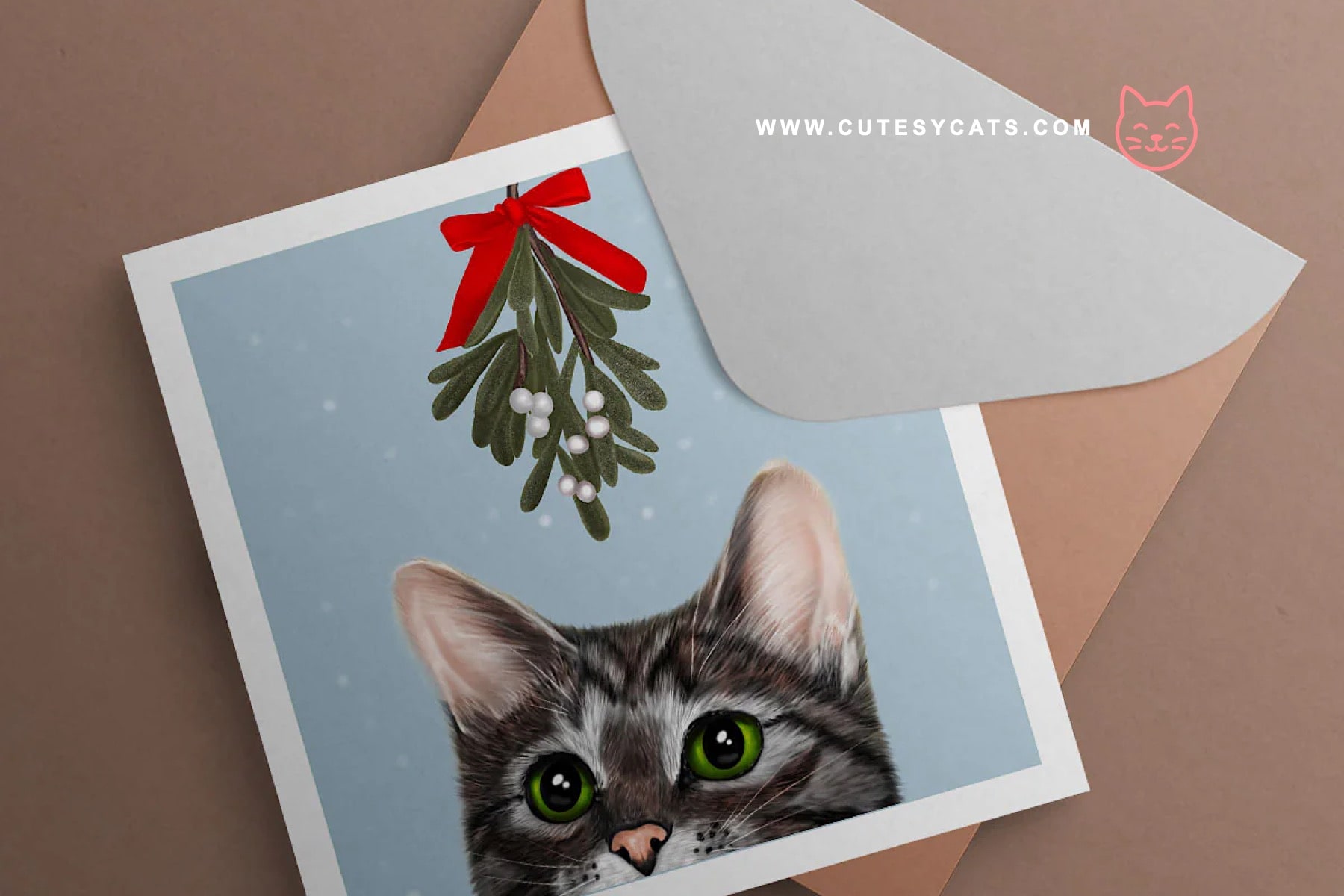
Cat-safe greenery, such as wheat grass or catnip plants, is another option. These plants are non-toxic and enjoyable for pets. They add natural beauty and texture to decorations. Cats can safely sniff or nibble.
Consider paper or fabric ornaments for festive displays. They are lightweight and pose no toxicity risk. Cats may enjoy interacting with them under supervision. These creative alternatives keep decorations fun.
Lights and tinsel can add sparkle without plant risks. Ensure tinsel is out of reach to prevent ingestion. String lights can create visual interest safely. Use caution to avoid electrical hazards.
Wall hangings or banners can decorate spaces safely. They provide holiday cheer without any edible components. Cats cannot chew or ingest them accidentally. These options are low maintenance and safe.
Combining these alternatives maintains holiday aesthetics and protects cats. Creative decoration choices allow cats to stay safe. Mindful planning keeps pets and humans happy. Safety and festivity can coexist successfully.
How to Keep Your Cat Safe Happy and Healthy During Holidays
Mindful choices help keep cats safe during festive celebrations. Monitoring decorations, plants, and food reduces the risk of accidents. A safe environment allows pets to enjoy the season. Owners can celebrate worry-free.
Provide safe treats and food options for your cat. Avoid giving toxic holiday foods like chocolate or mistletoe. Stick to plain cooked meats or vet-approved snacks. This ensures your cat stays healthy.
Supervise your cat around decorations and new objects. Curiosity can lead to chewing or climbing unsafe items. Keep plants and breakables out of reach. Observation prevents injuries and accidental ingestion.
Create engaging play opportunities for your cat. Use safe toys to keep them entertained during gatherings. Mental stimulation reduces stress and boredom. Happy cats are calmer and safer.
Maintain routine as much as possible during the holidays. Feeding, playtime, and rest schedules provide stability. Cats feel more secure with familiar routines. This supports overall health and wellbeing.
Enjoy the holiday season together safely and joyfully. Thoughtful planning keeps cats protected and content. Celebrating responsibly strengthens the bond between pets and owners. A happy cat makes the holidays brighter.